
Mirror Selfie AI Image Prompts
Mirror selfie AI image prompts for photorealistic image models with dirty glass, direct flash, crooked reflections, cramped rooms, and phone shots that feel interrupted.
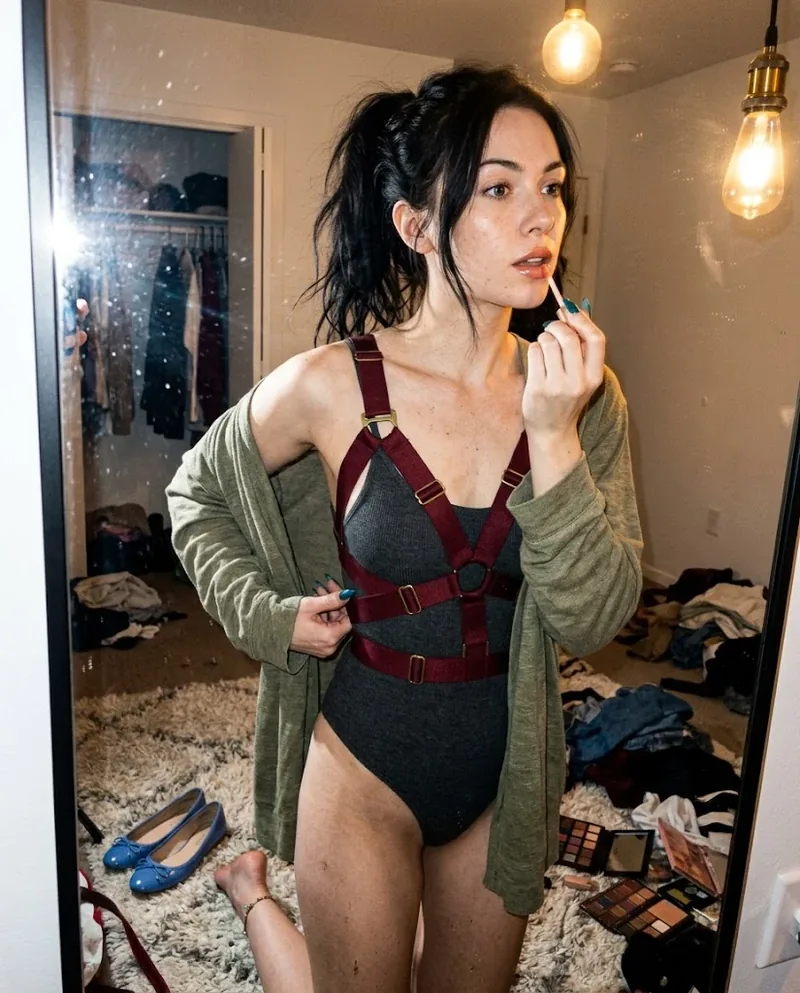
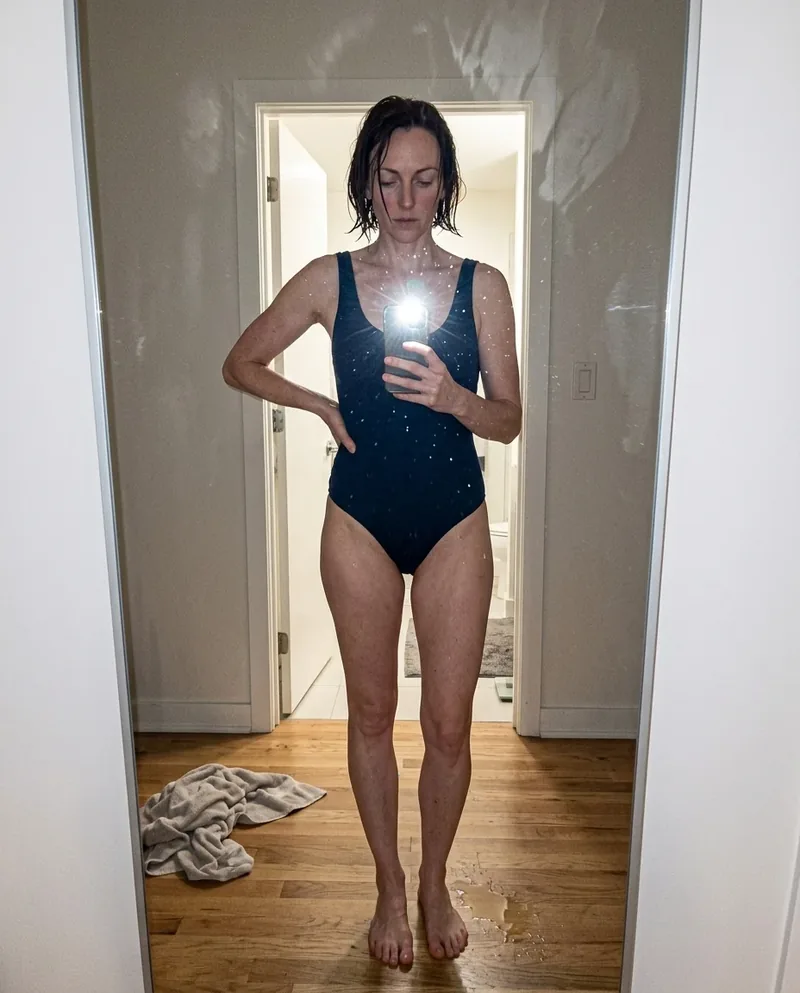 Ref Verified Mia
 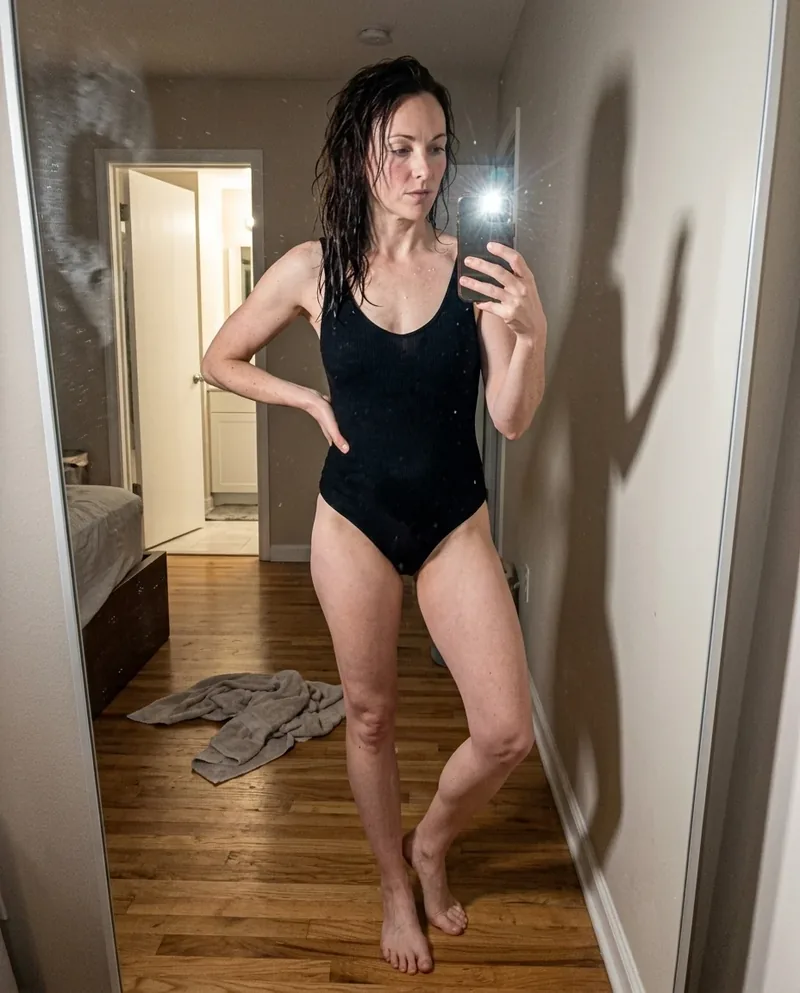 Ref Verified Mia
 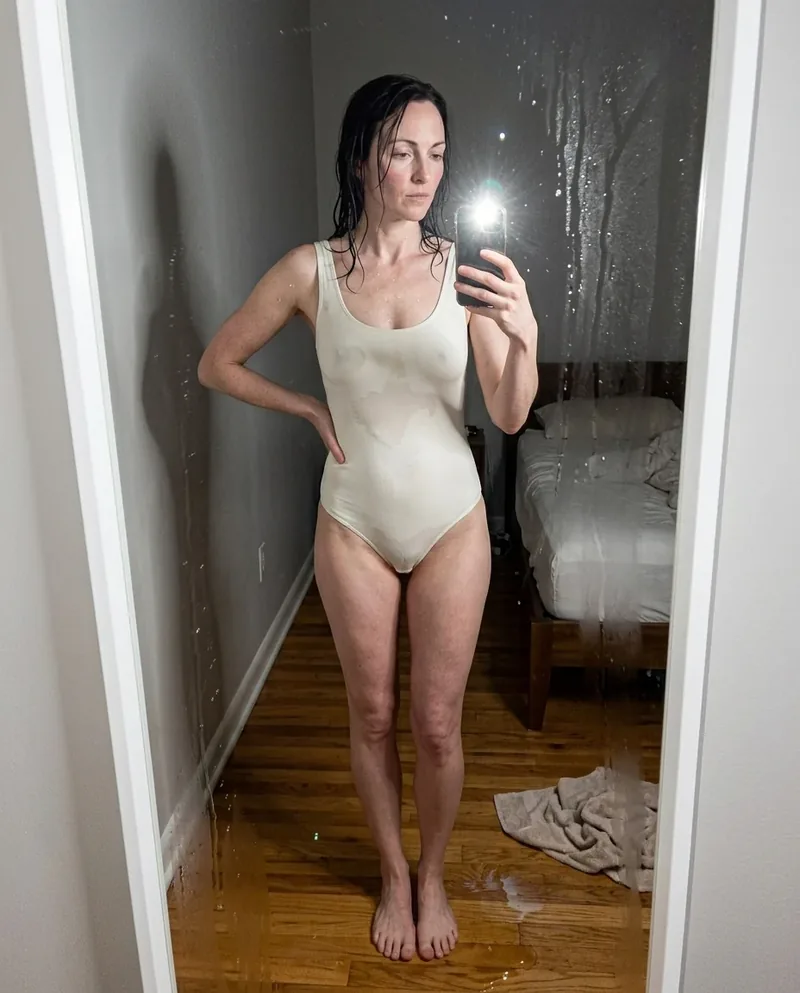 Ref Verified Mia
 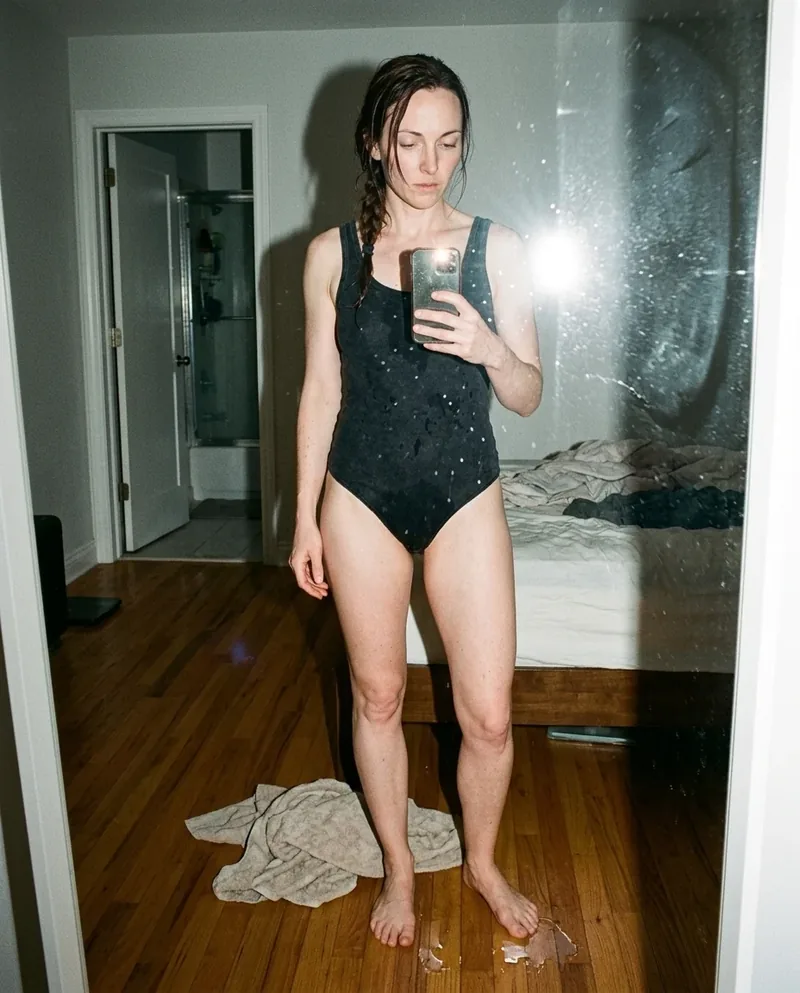 Ref Verified Mia
 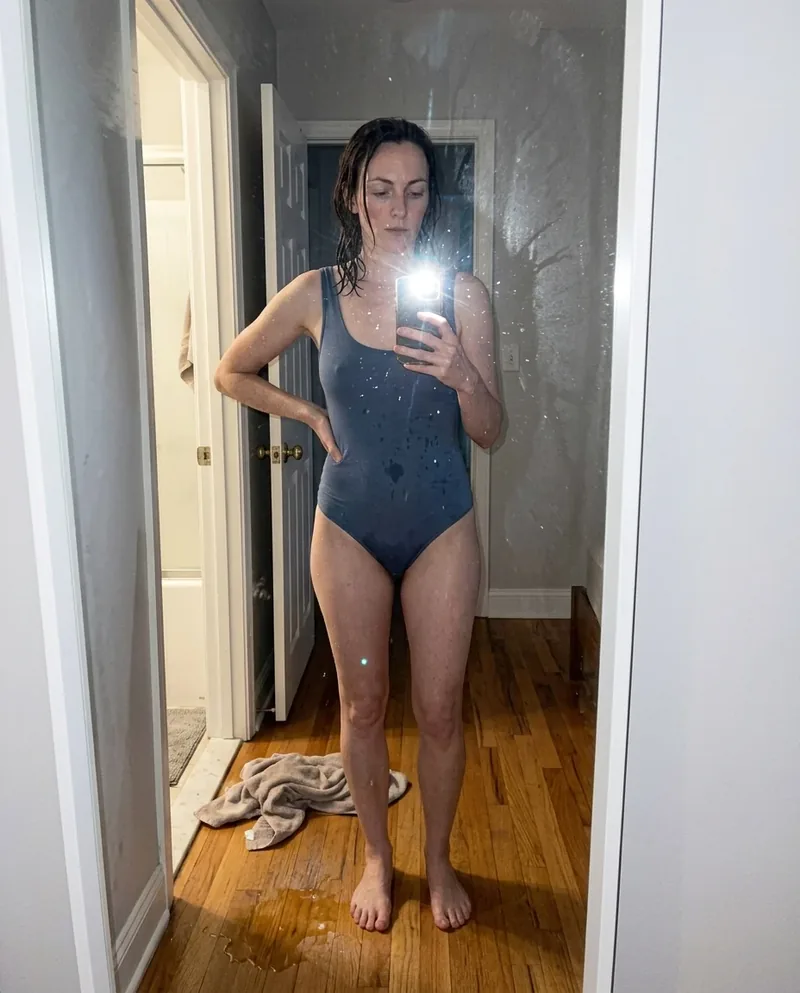 Ref Verified Mia
  Ref Verified Mia
 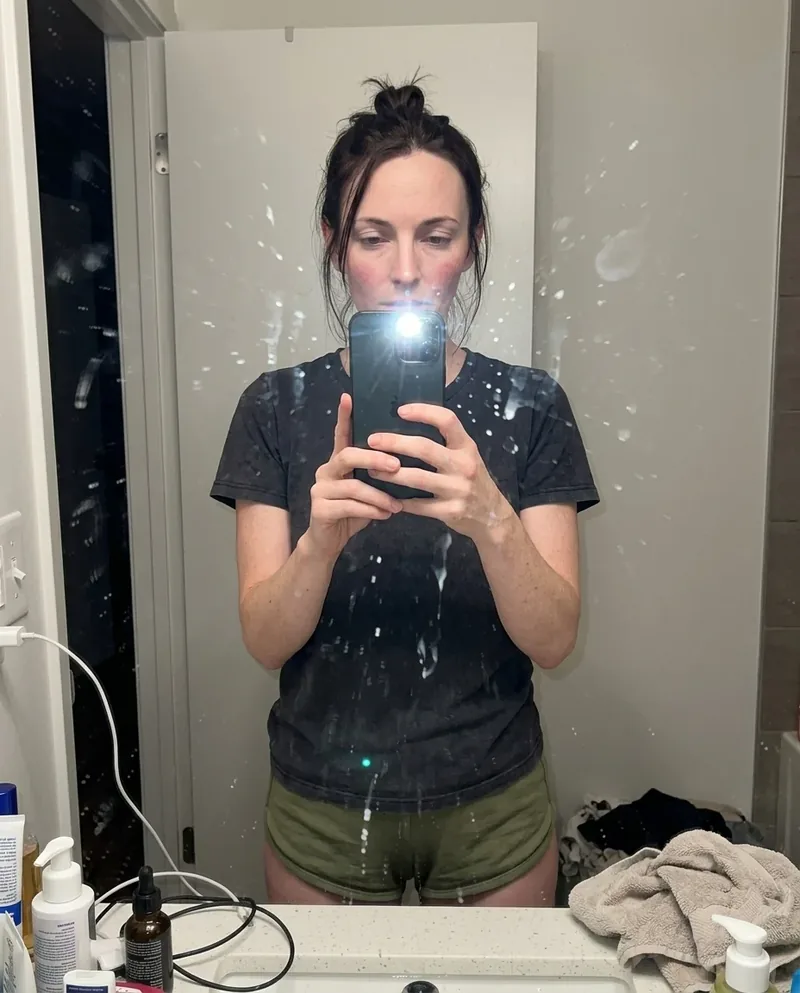 Ref Verified Mia
  Ref Verified Mia
  Ref Verified Mia
  Ref Verified Mia

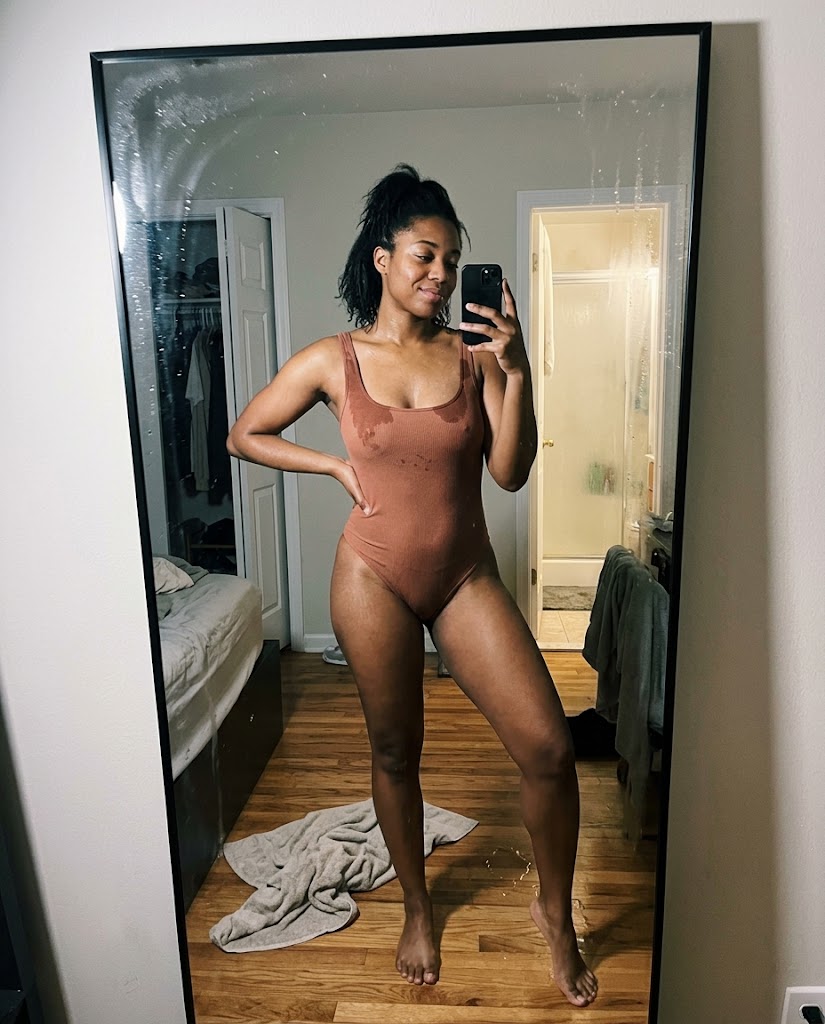
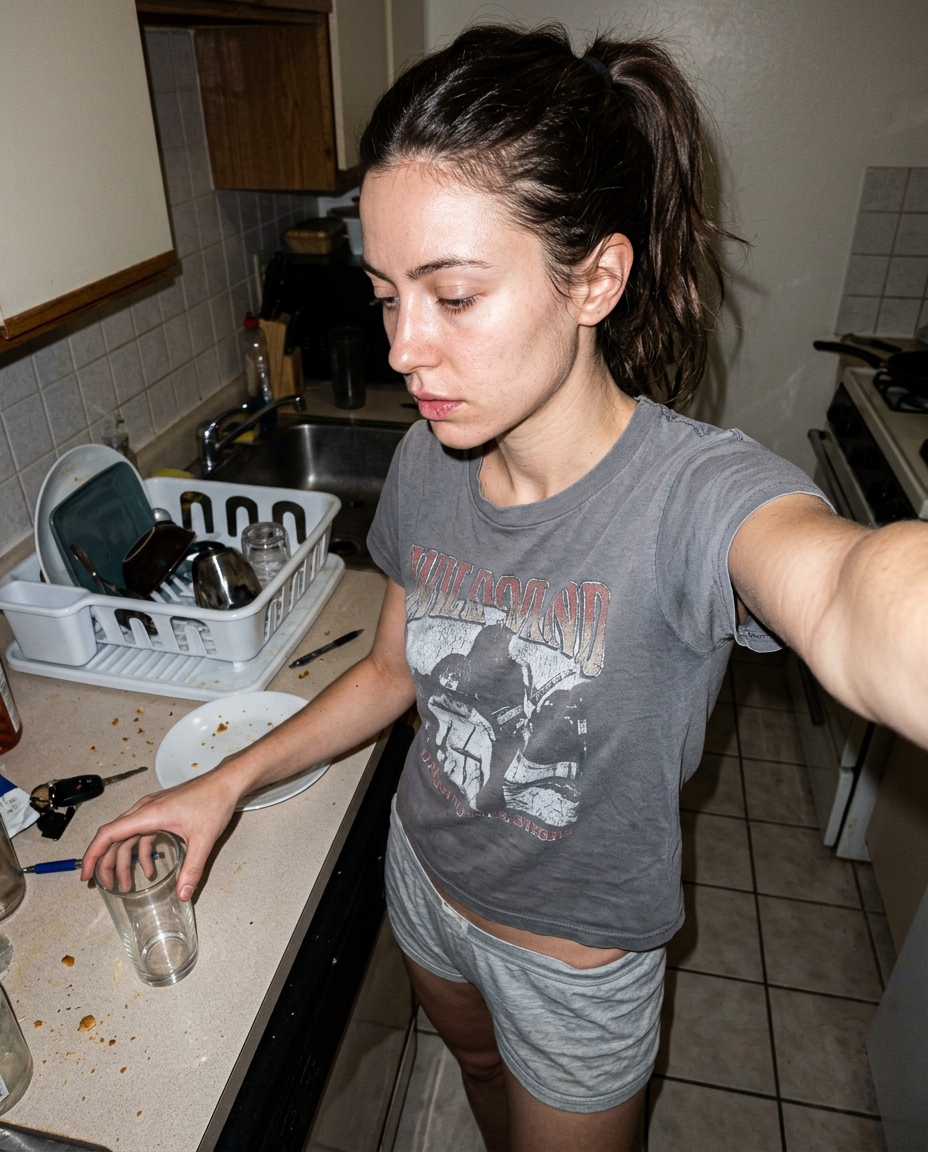
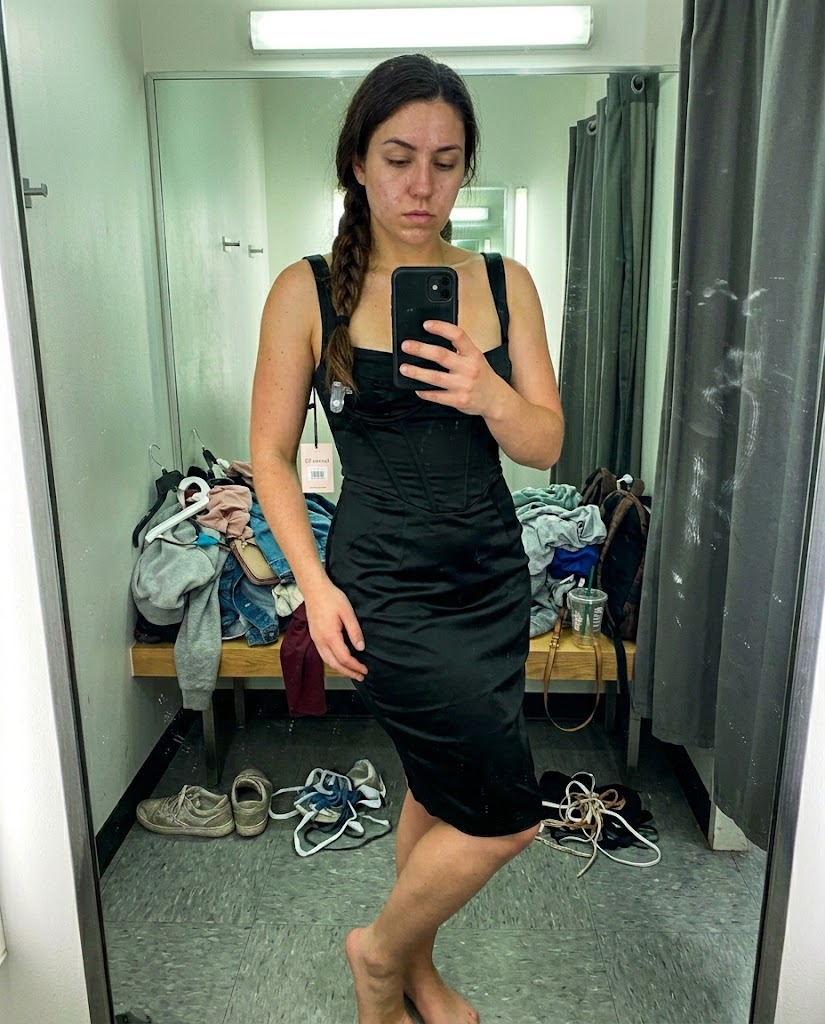
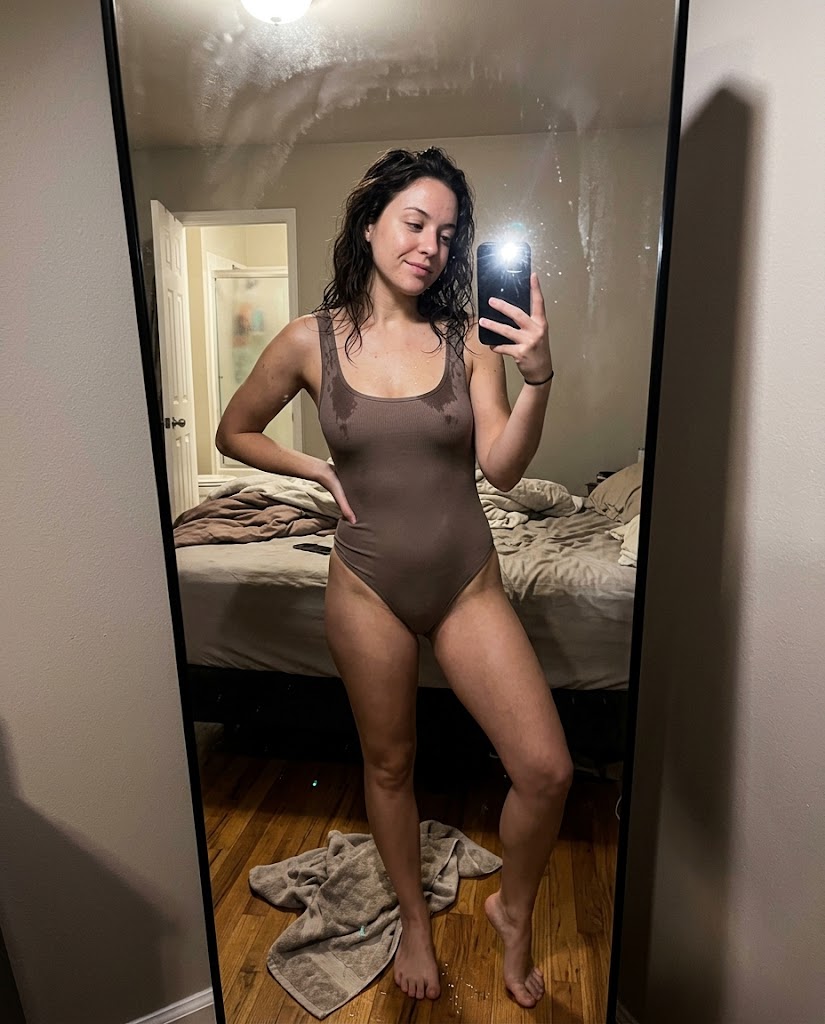
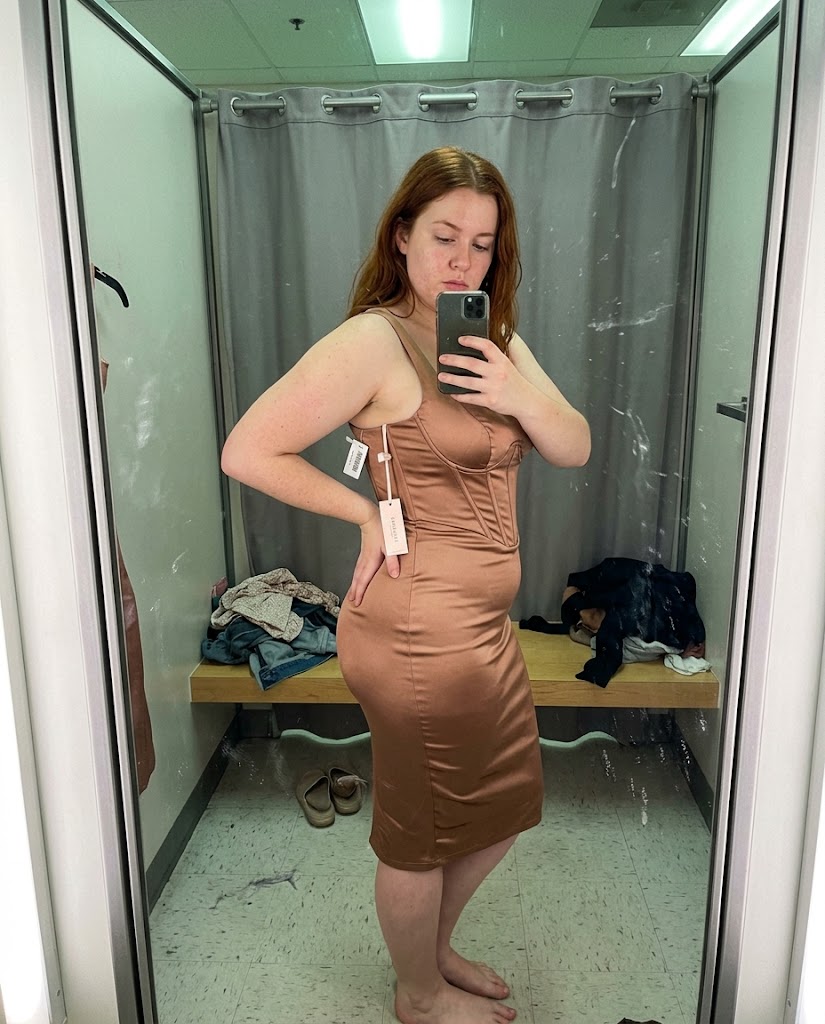


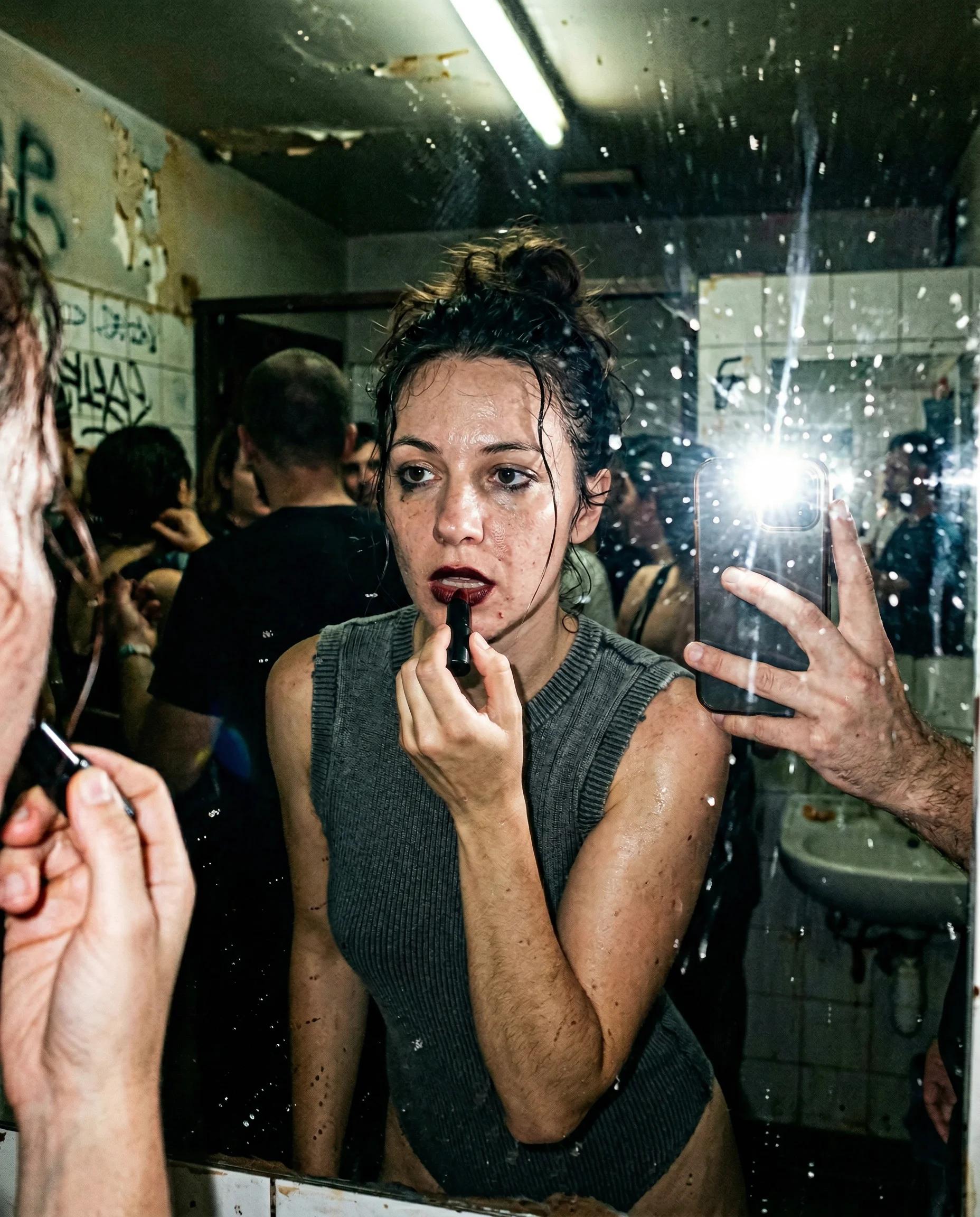
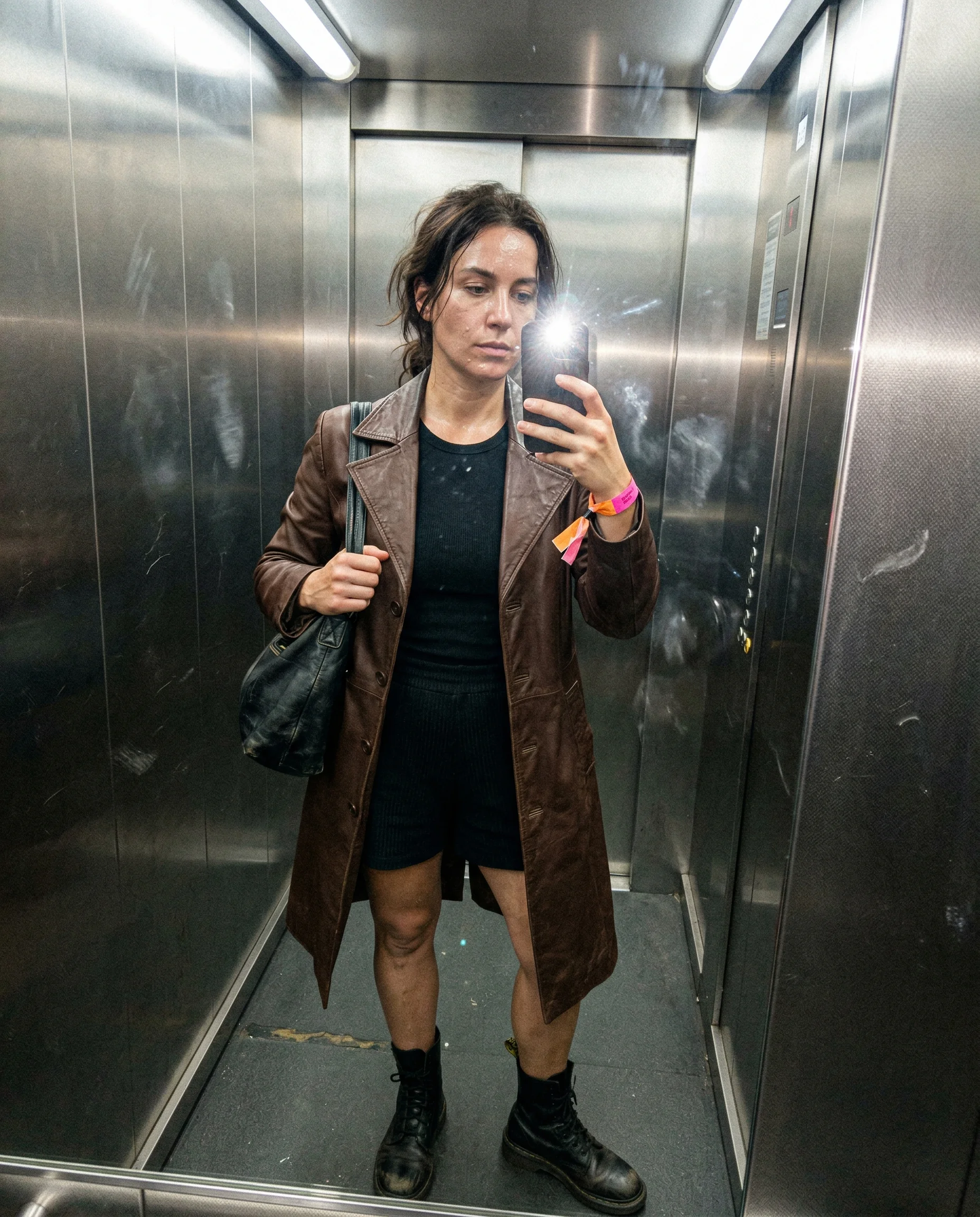
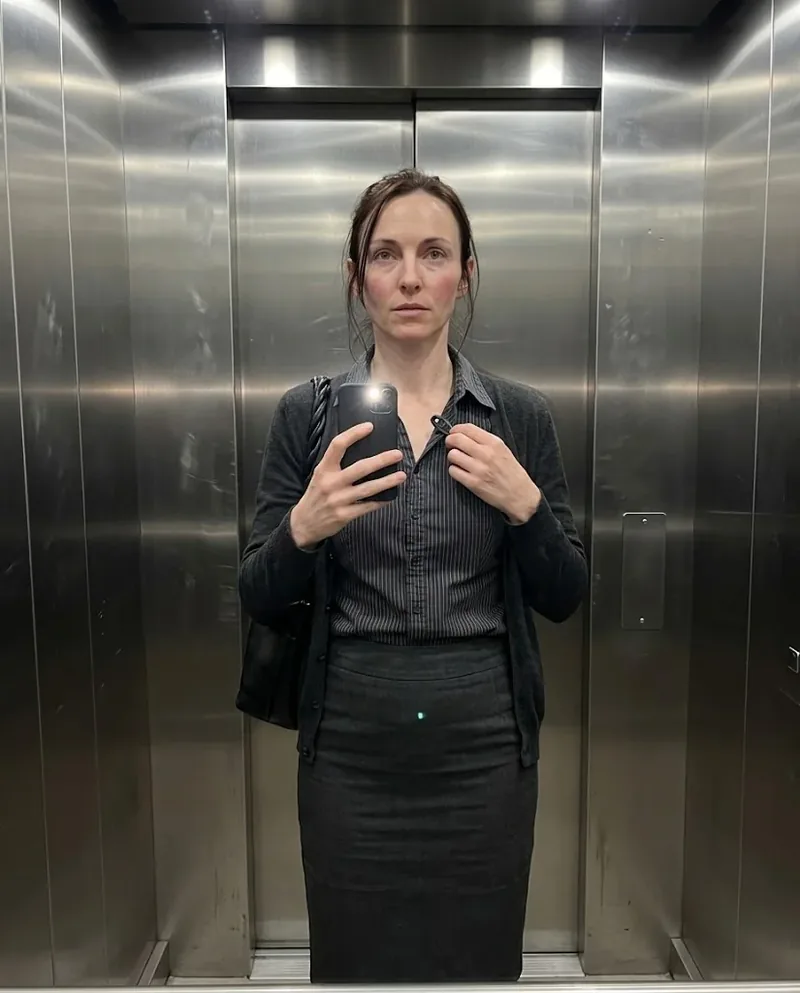 Mia
Mia 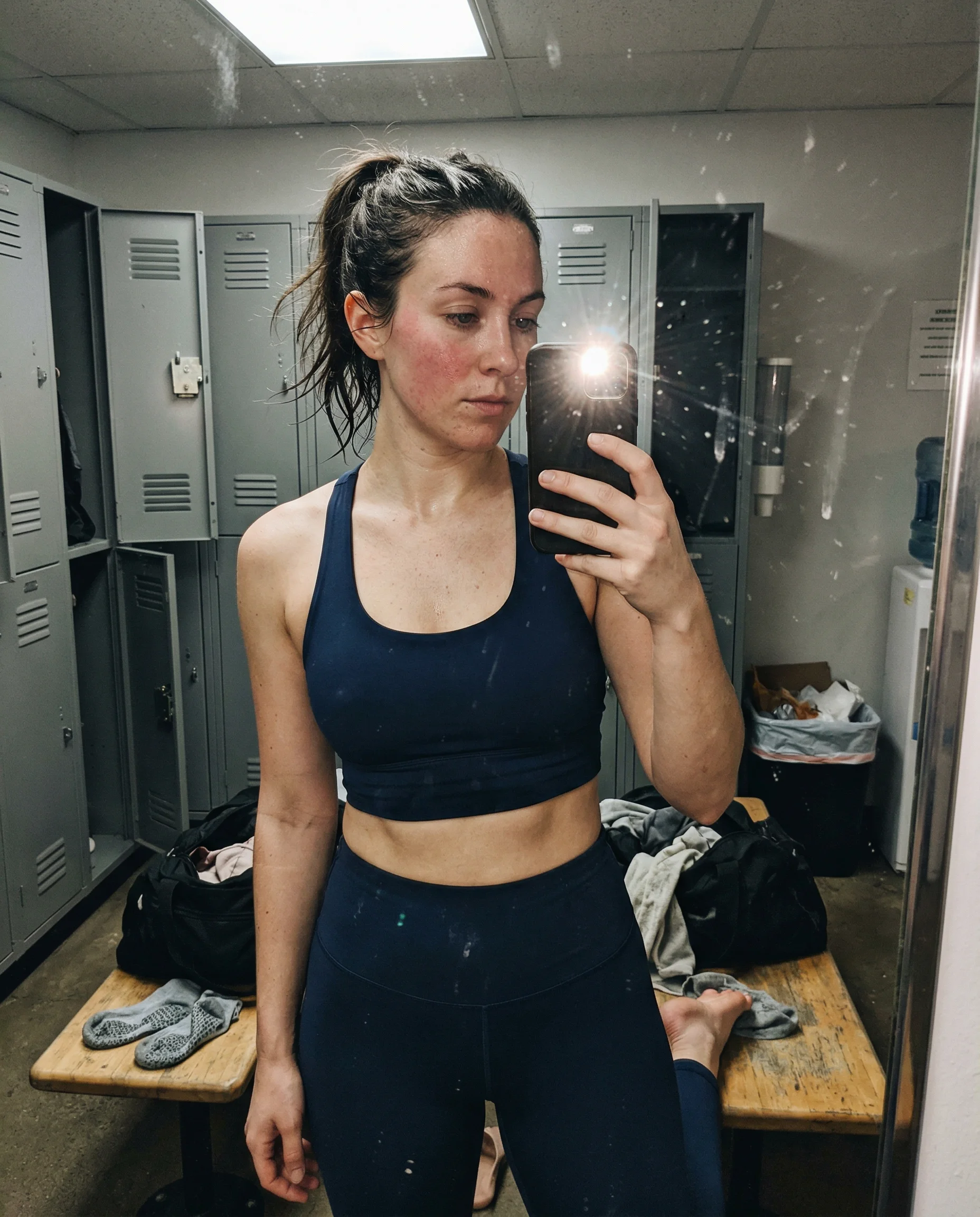
the mirror has to get in the way
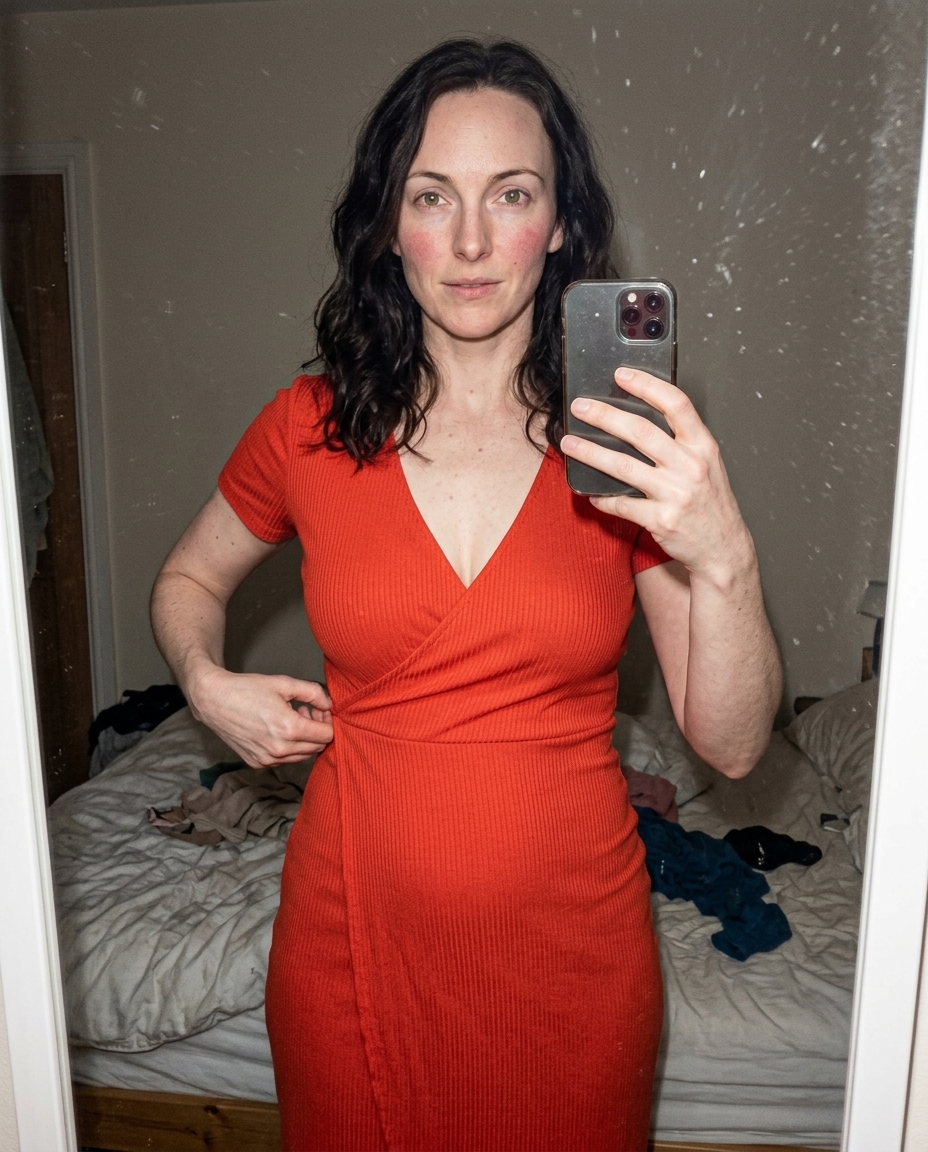
A mirror selfie gets weaker when the glass disappears. Let fingerprints, condensation, dust, chipped edges, and reflected flash sit between the camera and the subject. The reflection should feel like a physical surface, not a clean render window.
reflections need awkward geometry
The phone, arm, room edge, and subject should not all line up politely. A believable mirror prompt can use a crooked crop, a tilted hallway mirror, a bathroom sink cutting through the frame, or a body partly blocked by glare. Those interruptions are what separate a real mirror shot from a polished portrait.
use the room as proof
Mirror prompts need background evidence: a crowded club sink, a hallway console table, locker-room clutter, a pile of shoes, or makeup left open on the counter. The mirror doubles the room, so every tidy surface gets more suspicious.
Read the underlying camera, lighting, and texture rules before opening the prompt grid.
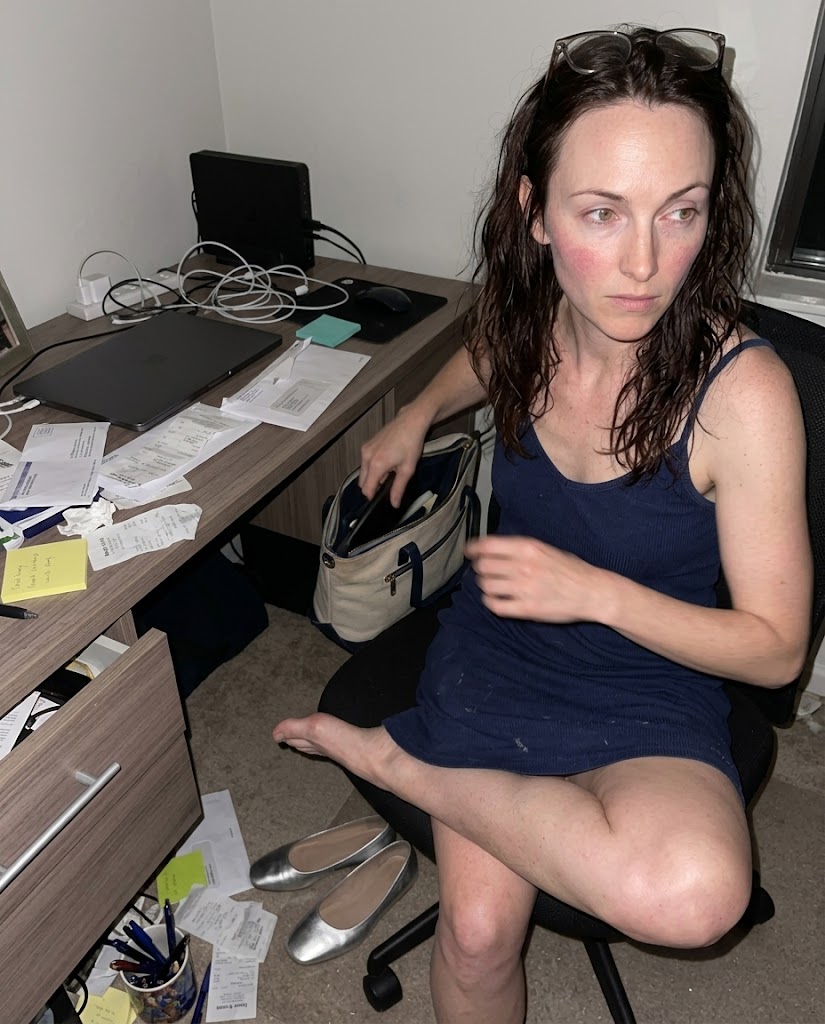
Start from an aesthetic hub, then drill into the specific prompt pages that make the look usable.
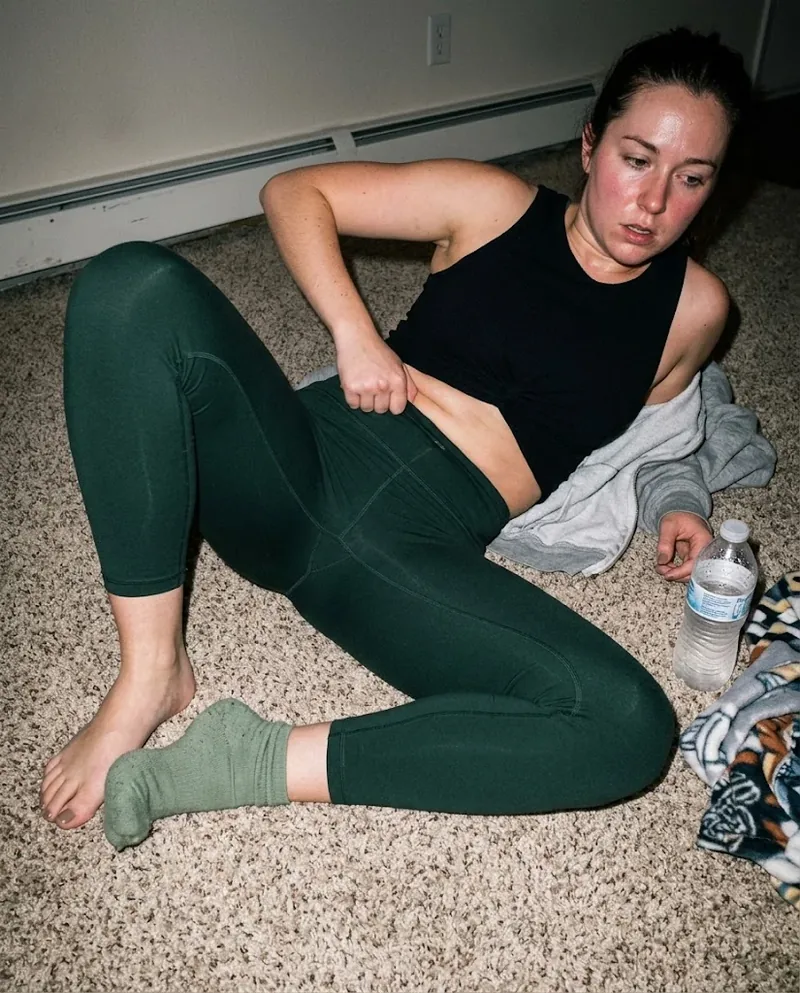
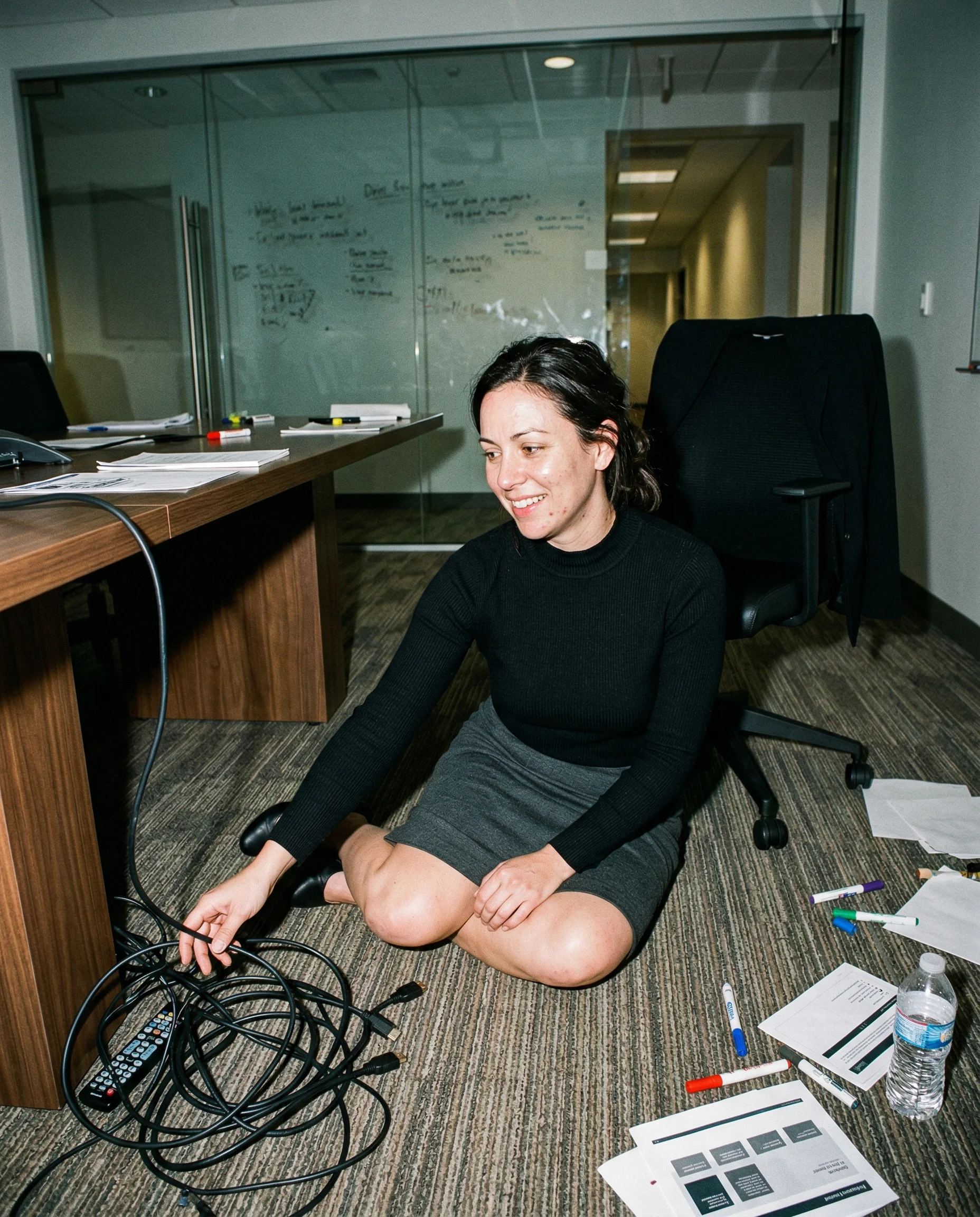

Frequently asked questions about Mirror Selfie AI Image Prompts
How do I make an AI mirror selfie look realistic?
Give the mirror physical flaws, keep the phone visible or implied, and let the crop stay slightly awkward. Fingerprints, flash glare, cramped room edges, and imperfect posture make the reflection feel captured instead of staged.
Should a mirror selfie prompt mention dirty glass?
Usually yes. A perfectly clean mirror often makes AI images look too controlled. Smudges, condensation, dust, and water spots give the flash something to hit and make the reflection feel real.
What breaks mirror selfie realism fastest?
Symmetry, clean glass, invisible camera position, and polished skin. If the mirror behaves like a flawless studio surface, the image stops feeling like a phone photo.