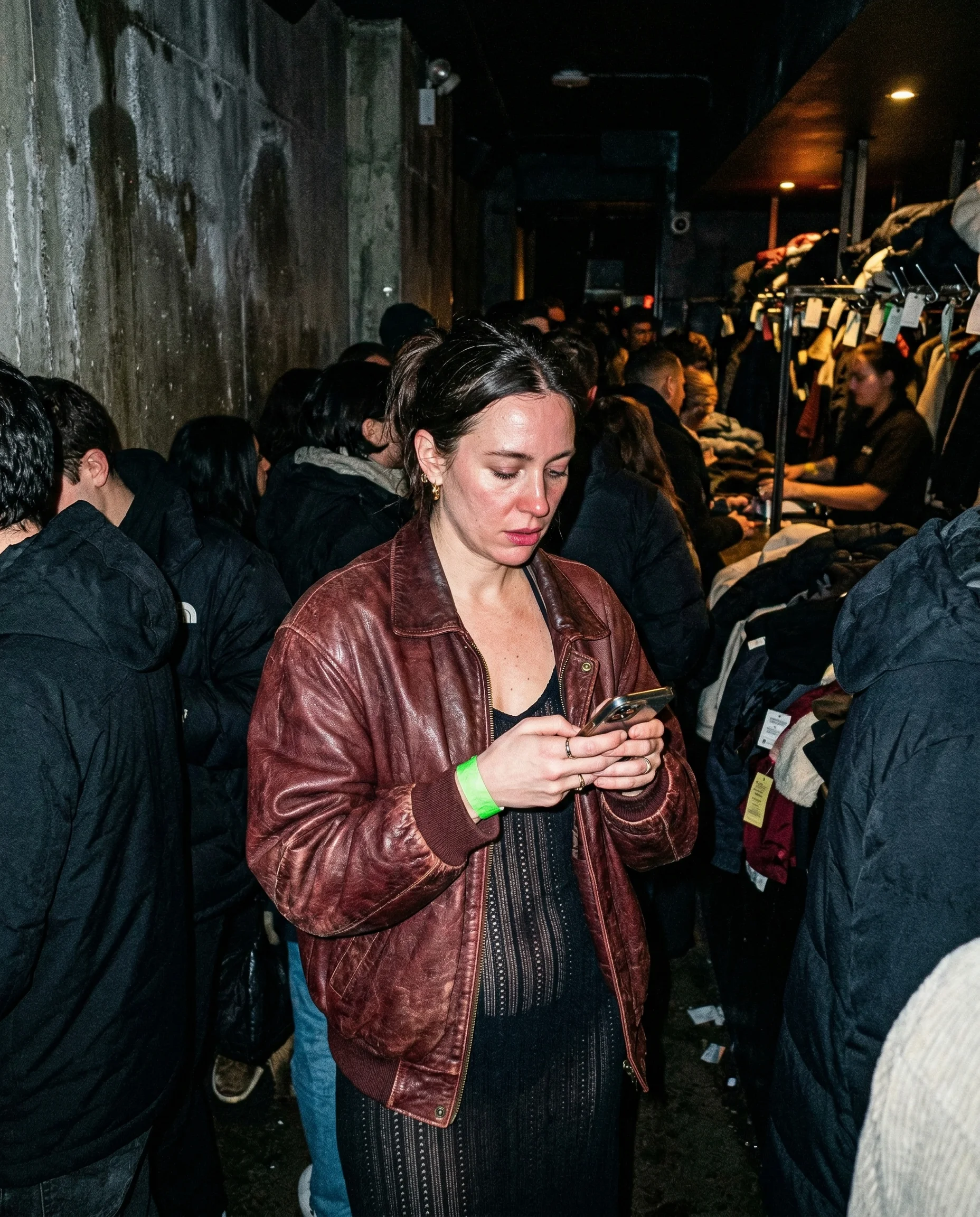
candid elevator mirror selfie in brown leather
- Model
- Nano Banana 2
- Resolution
- 2K
- Aspect ratio
- 4:5
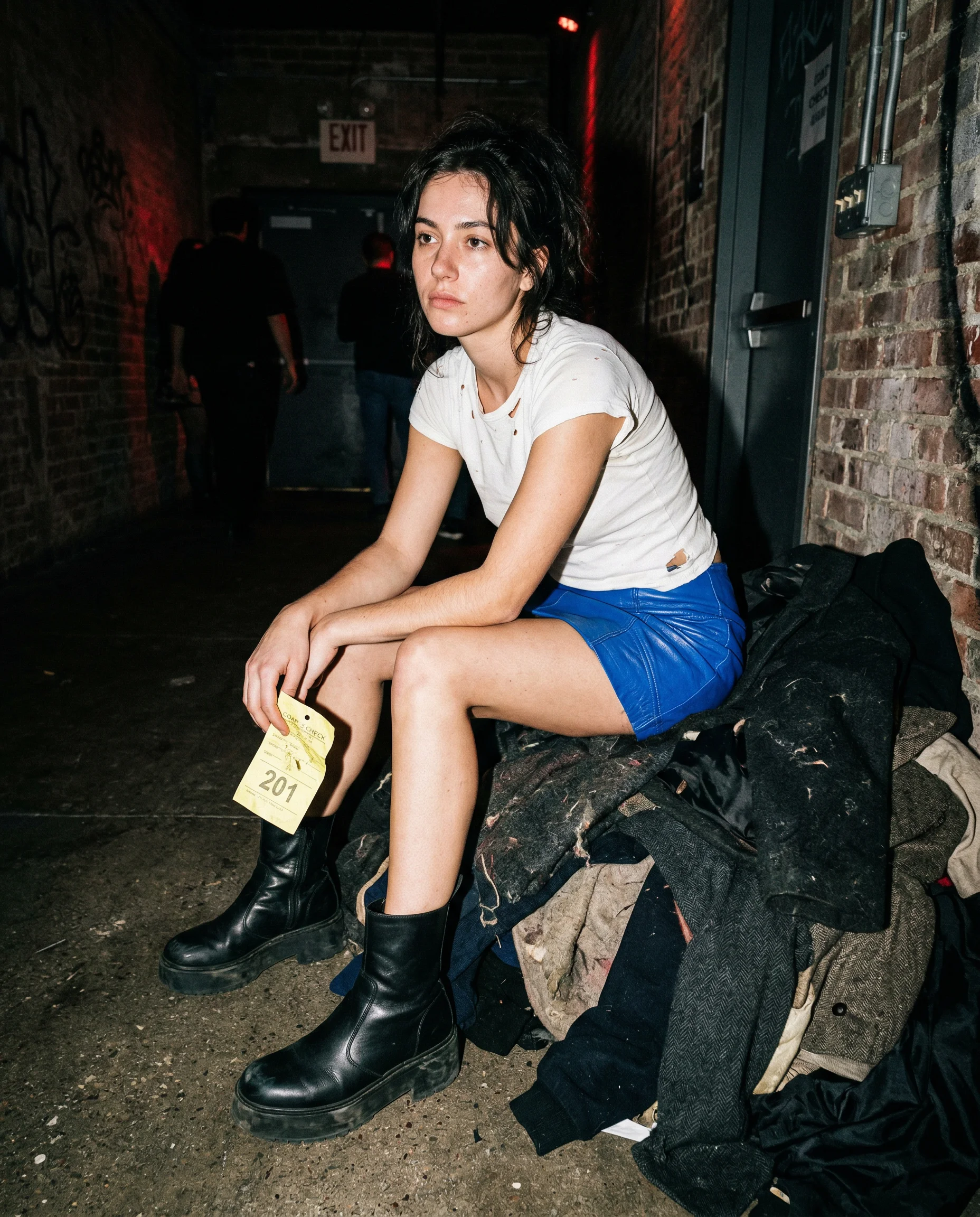
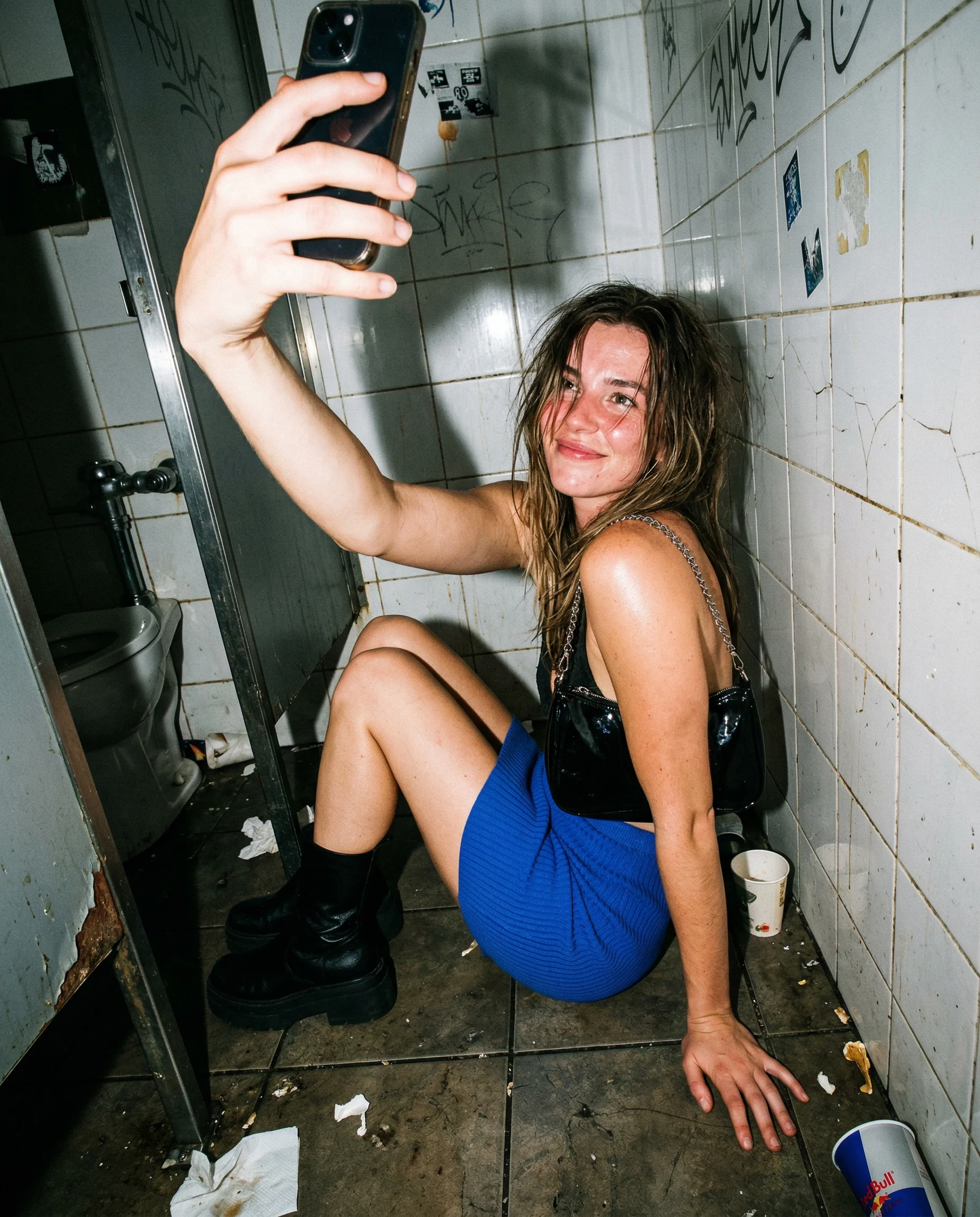
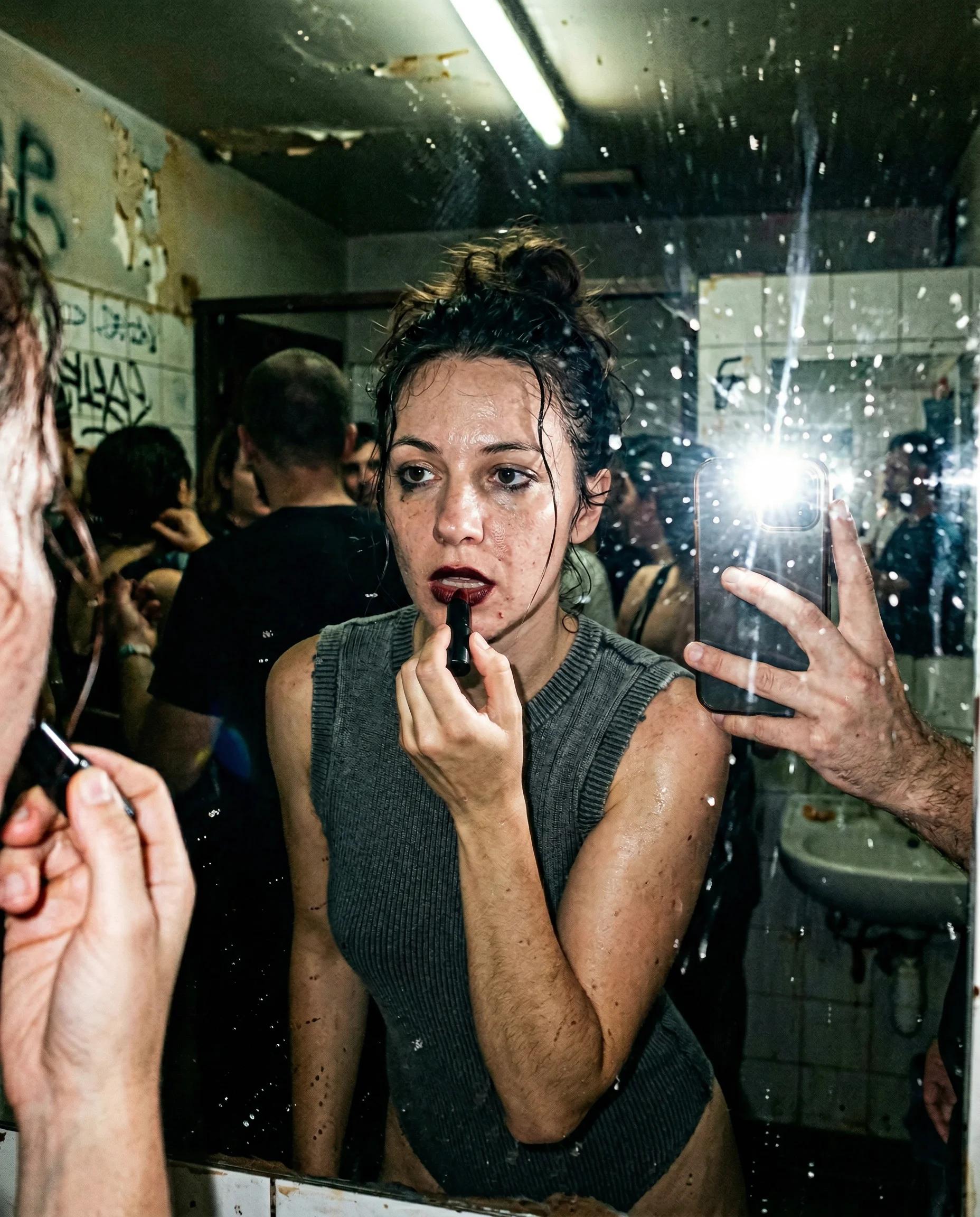
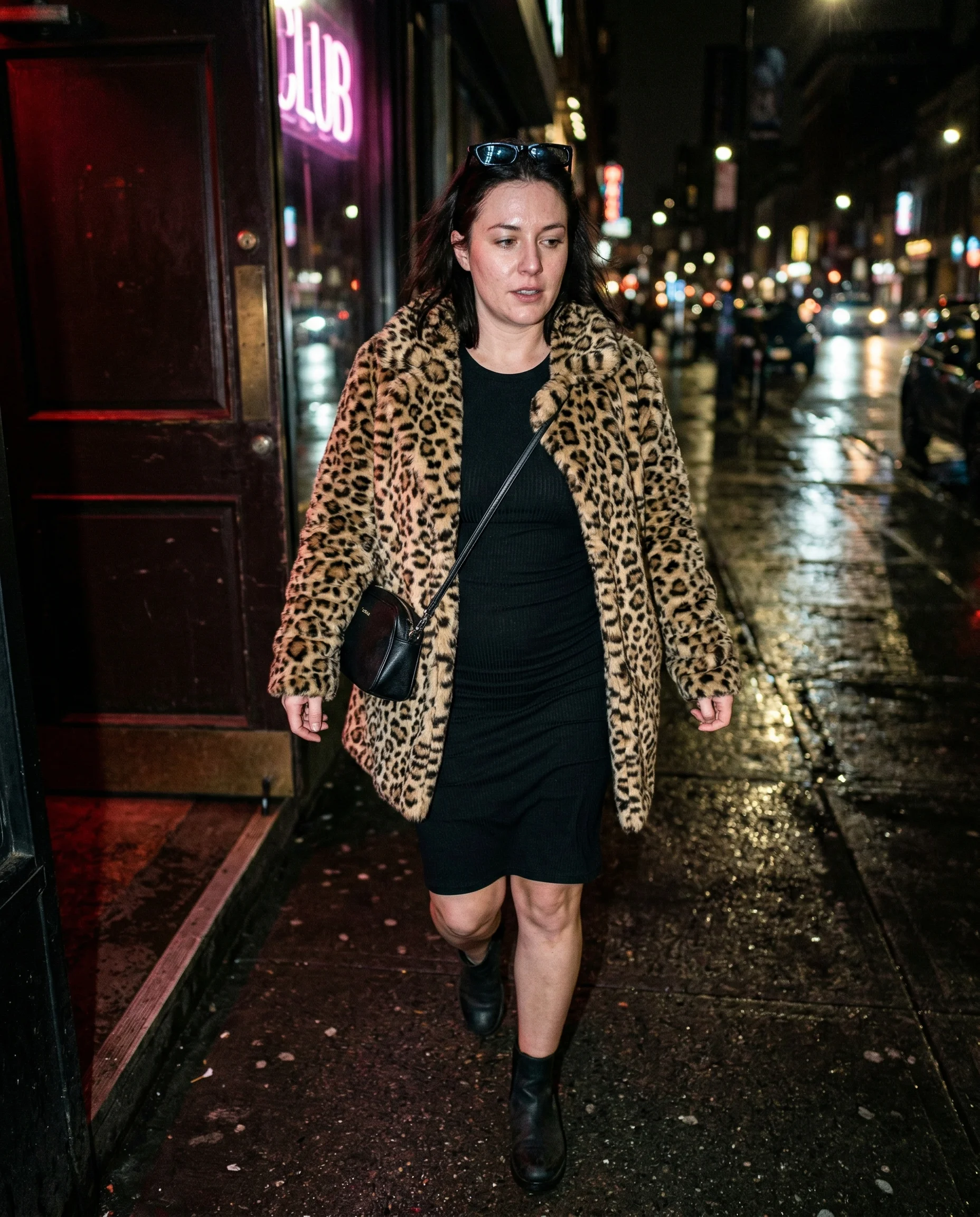
Nightlife captured with a jagged, unforgiving flash. Forget the polished party aesthetic; this is the reality of 3 AM bathroom mirrors and sticky bar tops.
Get the next prompt drop
We publish new prompts weekly. Get them in your inbox instead of checking back.
You're in. New drops land in your inbox.
the mirror surface and flash glare
The reason this feels like a real elevator ride instead of a studio setup is the way the light hits the brushed-steel walls. When you shoot in a confined space like this, the flash is going to bounce off everything. I let the light hit the smudges and fingerprints on the metal because that’s what makes the space feel occupied. If the mirror was clean, the whole thing would look like a product catalog. The haze and the streaks are doing the heavy lifting here, grounding the shot in a place that clearly isn’t being maintained for guests.
the wristband and worn-out leather
The crumpled club wristband is the detail that keeps this from looking like a fashion editorial. It’s a small, ugly, neon piece of paper that signals the subject just left a crowded venue. Combined with the scuffed combat boots and the worn shoulder bag, these artifacts tell a story about the night that a perfect outfit never could. I always look for these small, messy markers—the things that look like they’ve been dragged through a few hours of humidity and movement. If the coat looked pristine or the boots were polished, the image would lose its teeth.
skin texture and the 3 am sheen
The lighting here is intentionally unkind. By mixing the harsh overhead fluorescent glow with a direct phone flash, you get that specific, slightly oily T-zone sheen and visible skin texture that usually gets filtered out of AI images. I need the camera to catch the pores, the faint peach fuzz, and the uneven skin tone to make the subject feel like a real person standing in a metal box. The moment the skin starts looking like plastic or airbrushed porcelain, the whole scene turns into a commercial. Keeping the detail grounded in reality—even the blemishes—is what makes the viewer believe the moment is actually happening.
Frequently asked questions
How do I keep the elevator mirror from looking too clean?
Focus on the imperfections. You need to prompt for fingerprints, streaks, and hazy metal surfaces. If the mirror looks like a polished surface, the AI will naturally try to make it look like a high-end showroom instead of a utility space.
Why does the flash make the skin look better here?
It doesn't make it look 'better' in a beauty sense, it makes it look real. The harsh, direct flash creates high-contrast shadows that reveal actual skin texture—pores, sheen, and uneven tone—which prevents that fake, smooth-plastic look common in AI generations.
What's the best way to make the subject look like they've been at a club?
Add specific, low-stakes artifacts. A crumpled paper wristband, slightly messy hair, scuffed boots, or a worn-out bag do more to sell the story than any pose or expression ever could.
How do I avoid the 'staged' feeling in small spaces?
Keep the framing tight and a little tilted. A perfectly level, centered shot often looks like a professional setup. A slight tilt and a cramped, claustrophobic composition make it feel like a quick, unthinking phone snap.