
Pilates
Pilates is the post-class collapse where the sweat is real, the reformer springs are heavy, and the studio lighting is unforgiving.
Start with these Pilates prompt pages
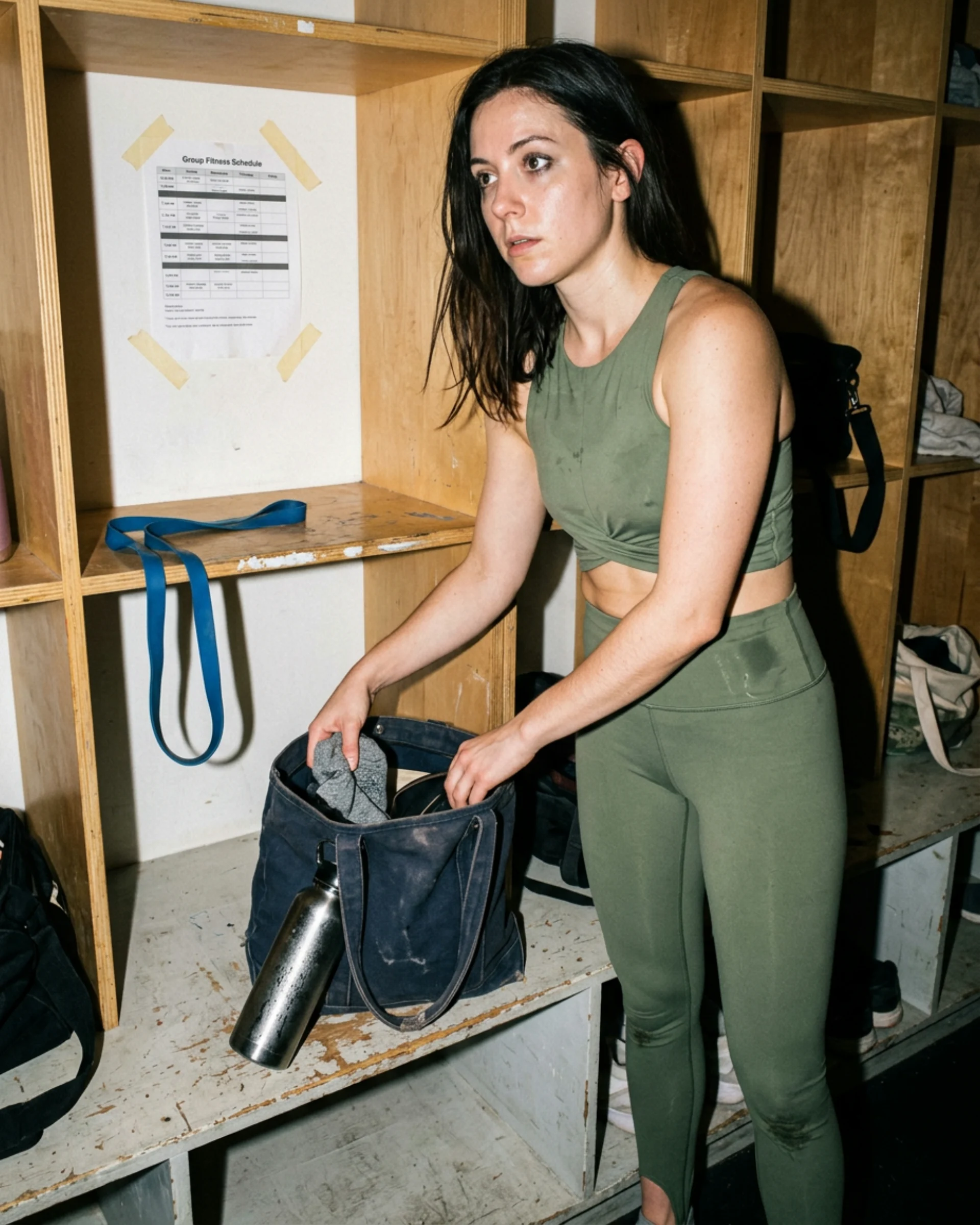
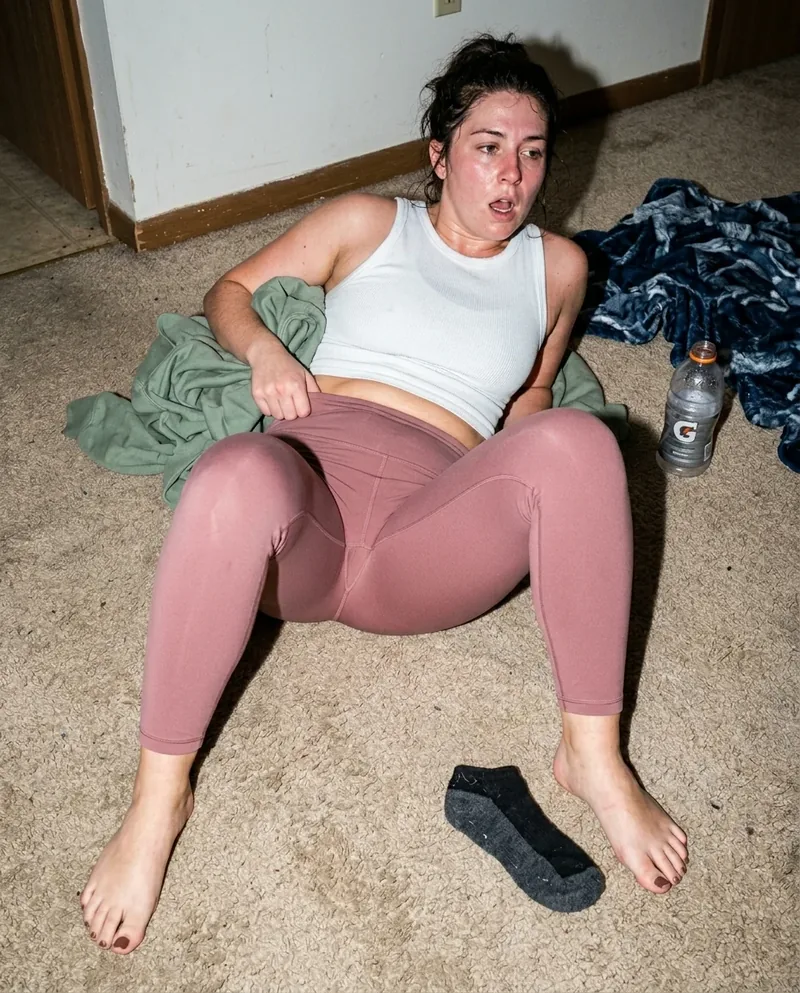
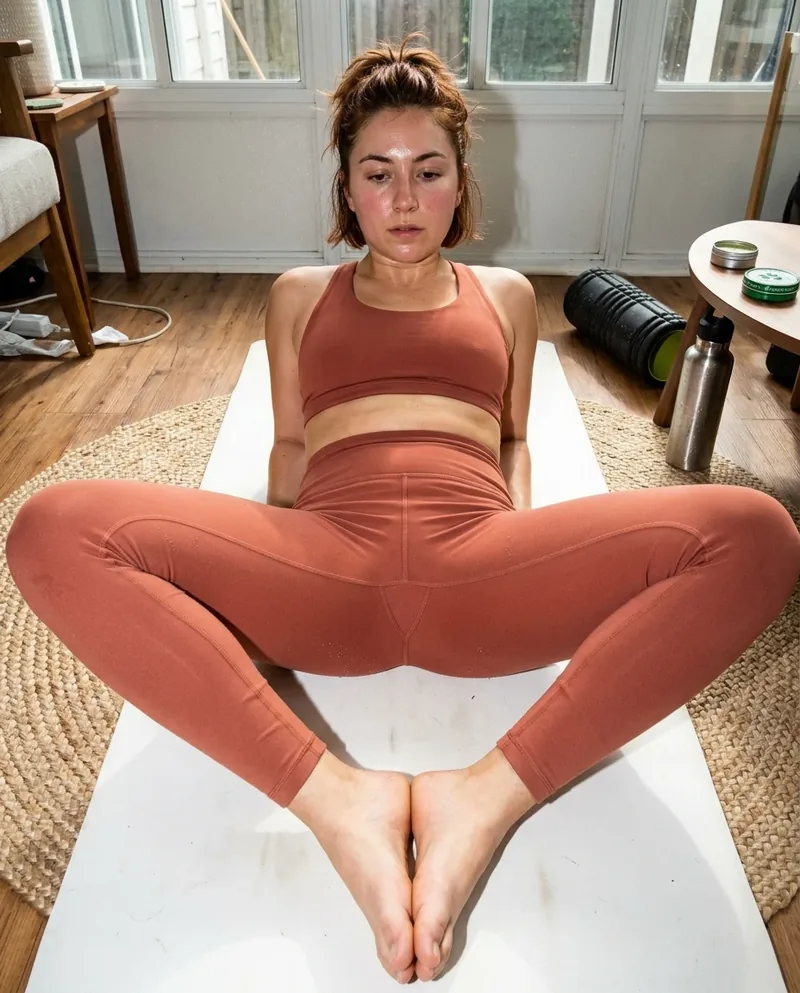
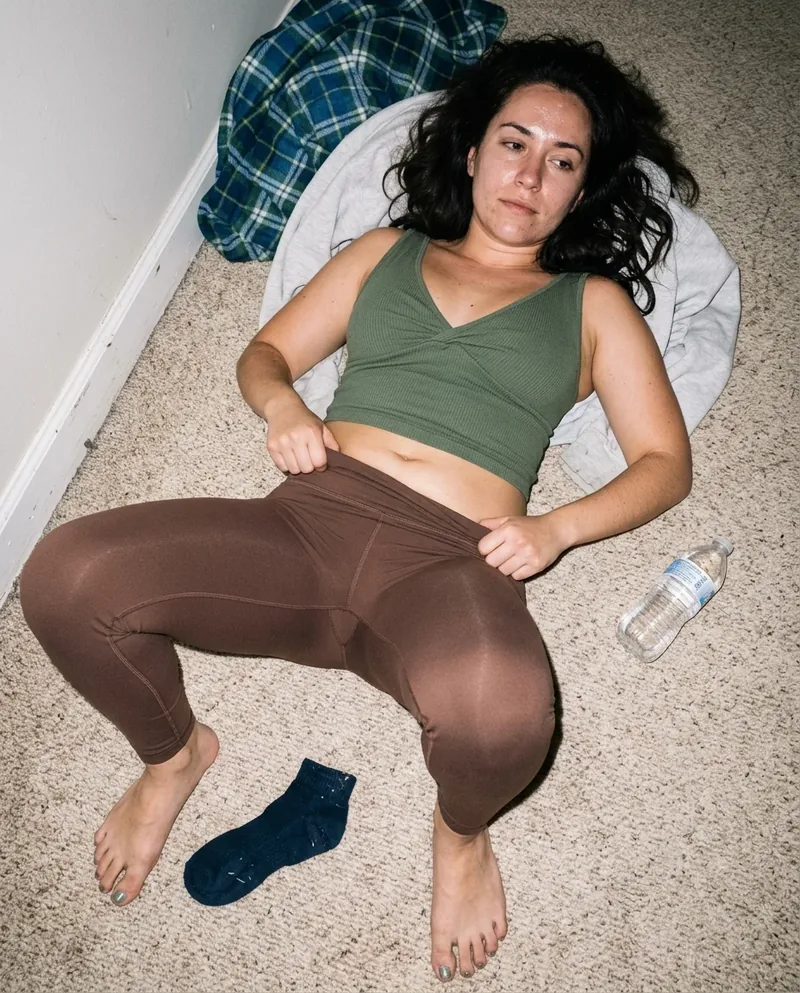
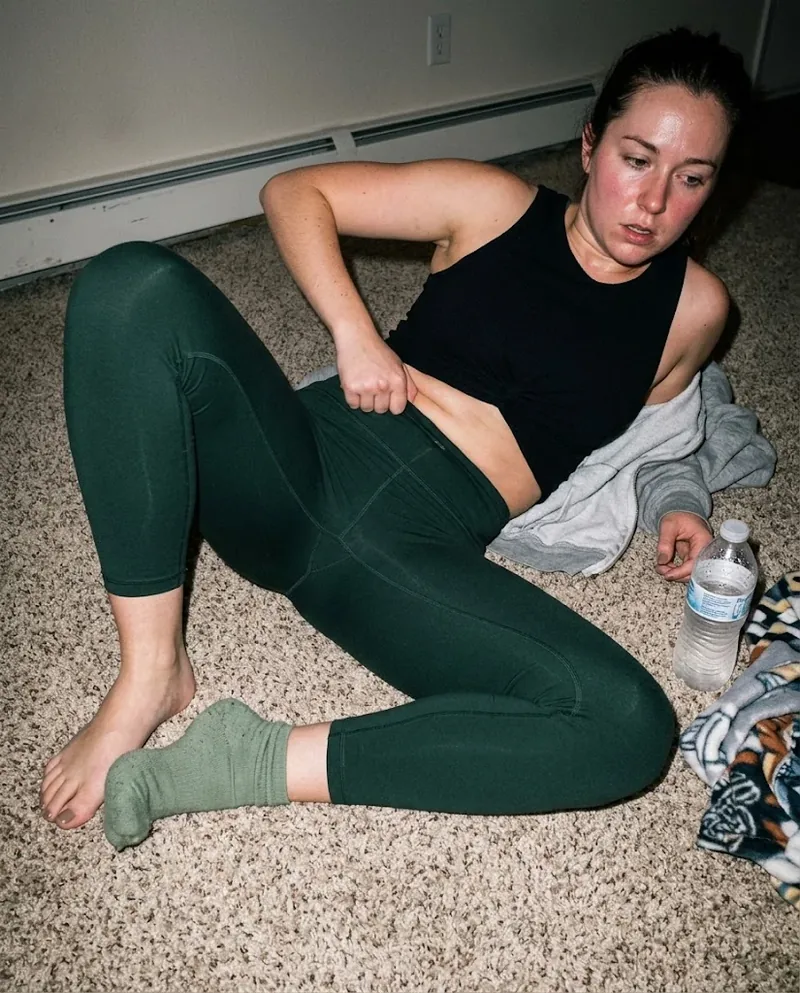

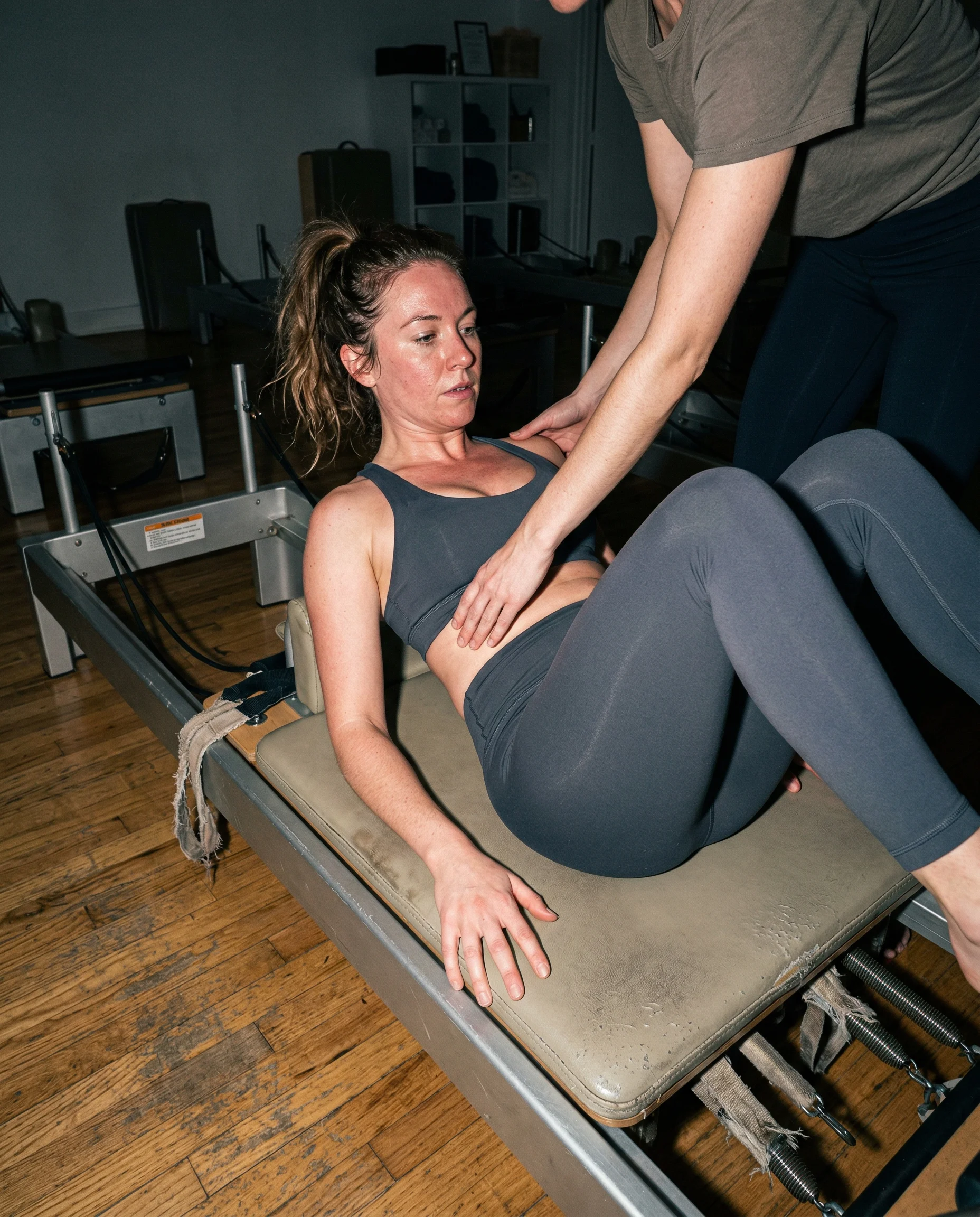
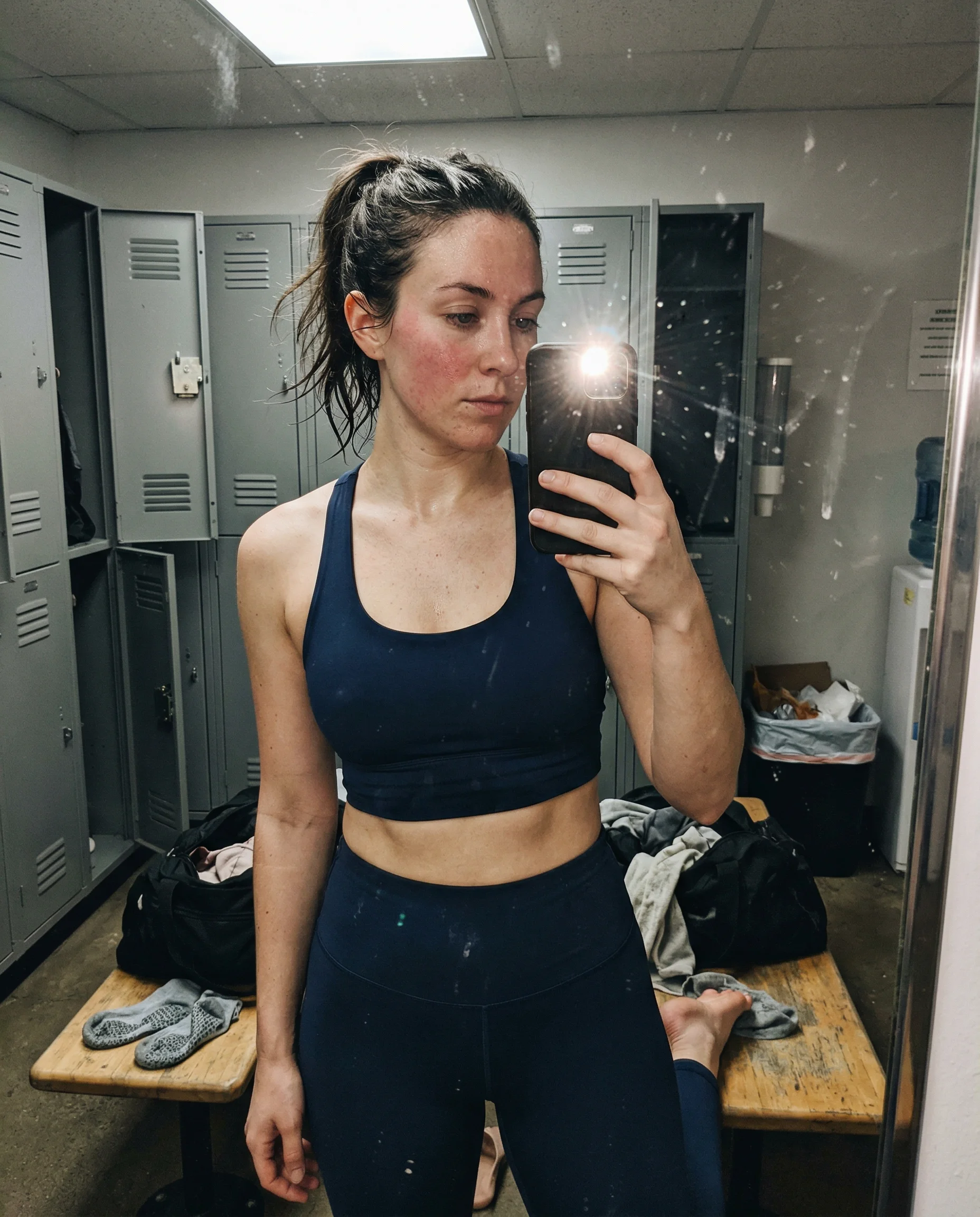
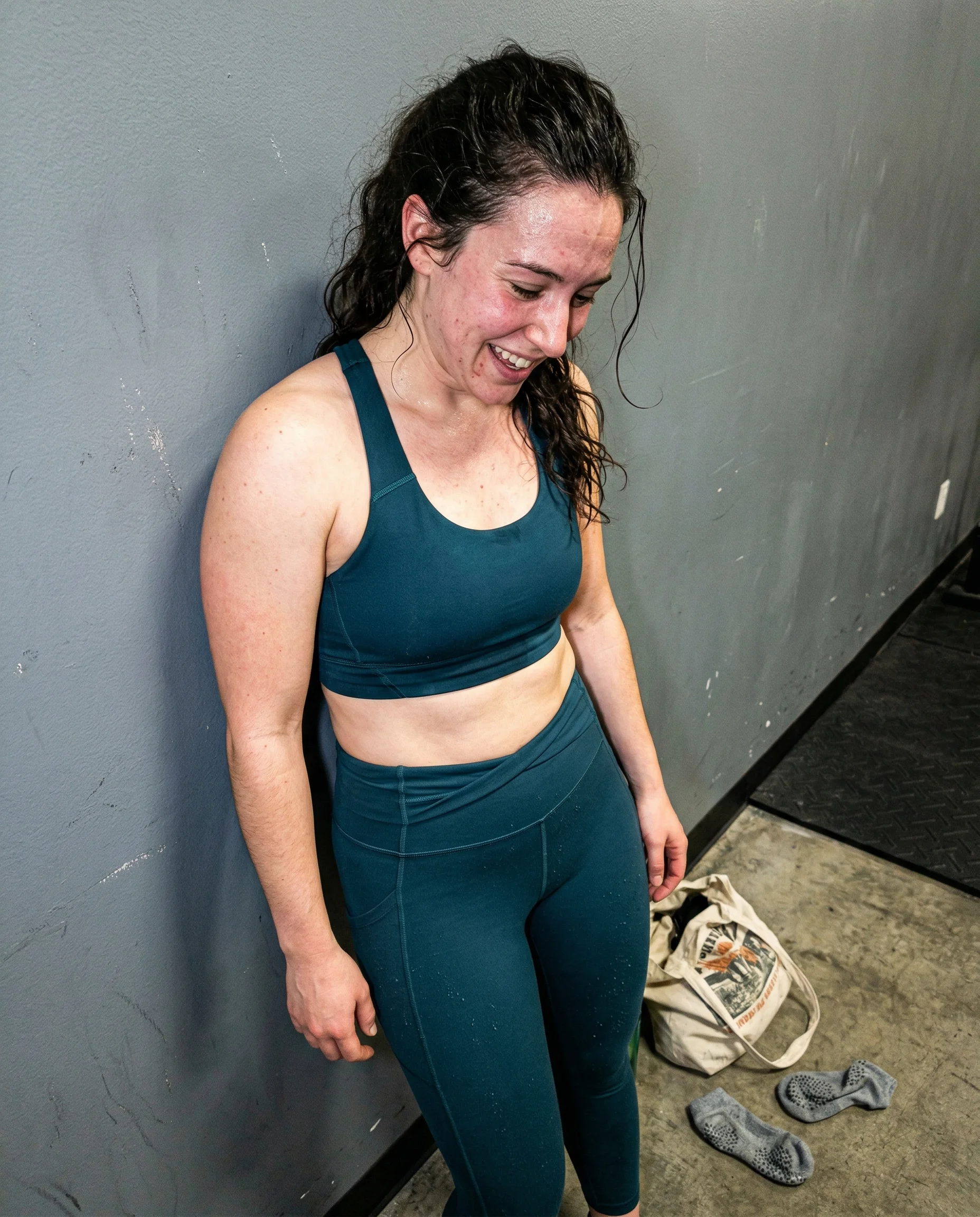
What is Pilates?
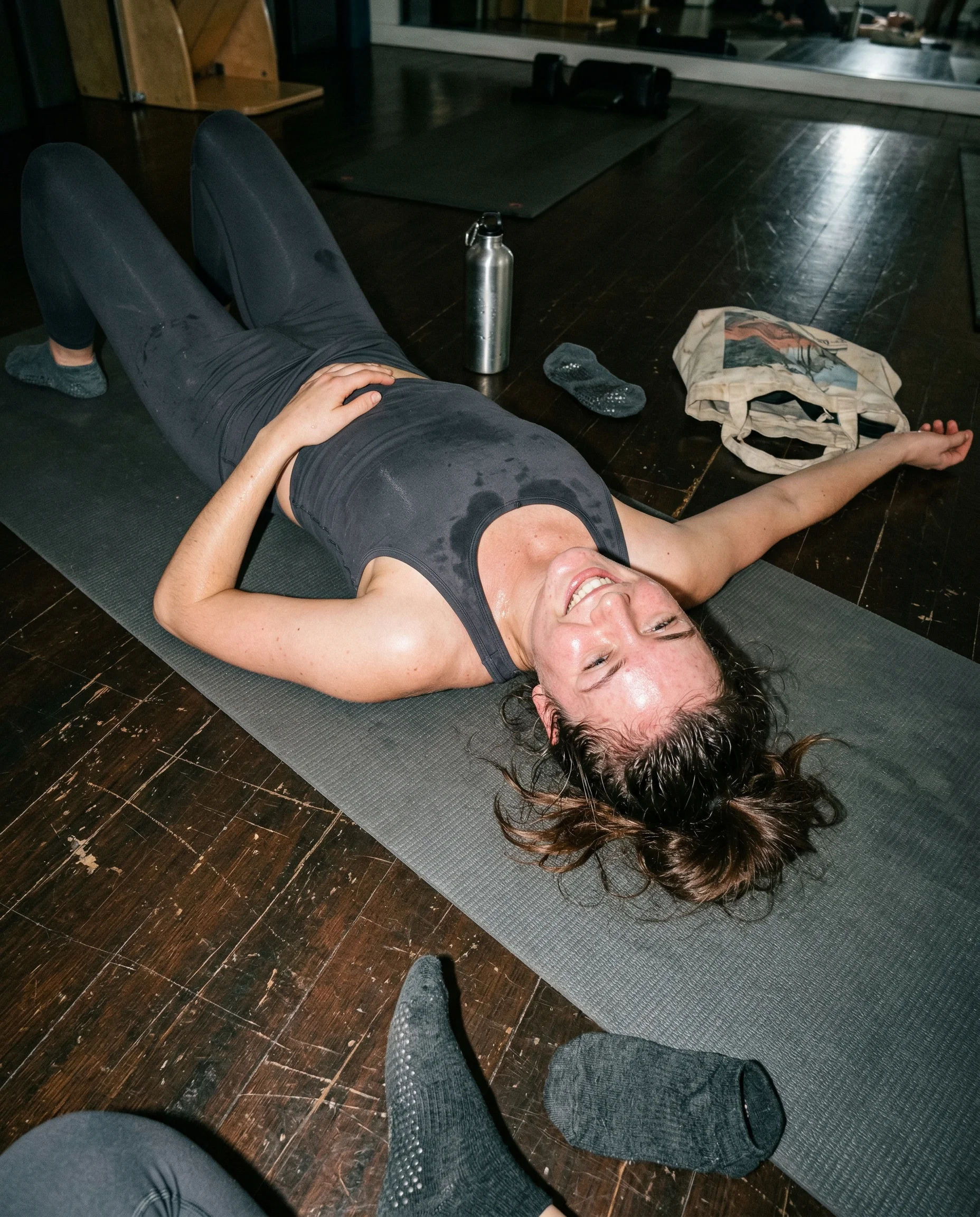
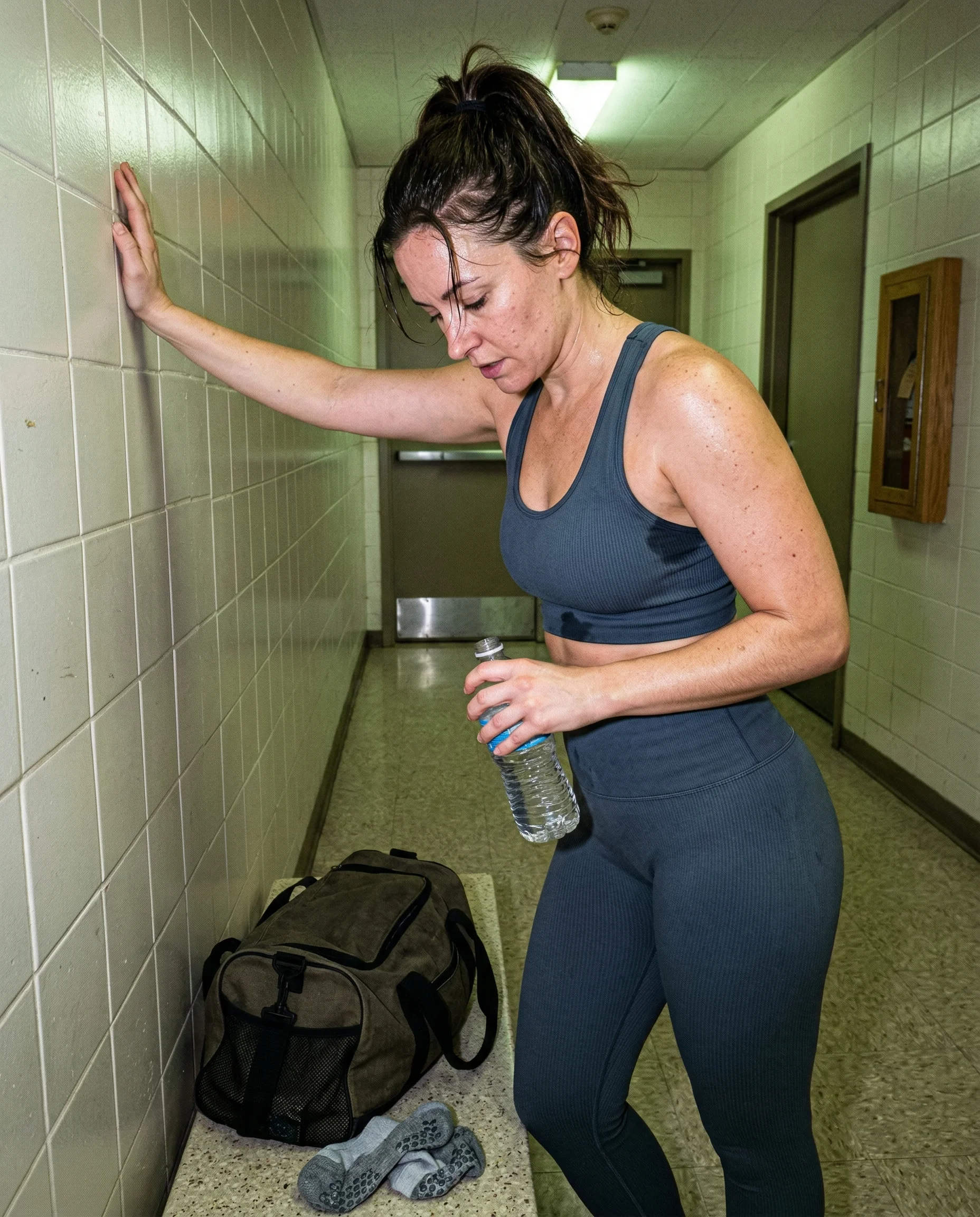
Pilates is the post-class collapse where the sweat is real, the reformer springs are heavy, and the studio lighting is unforgiving. These shots skip the polished fitness marketing for the actual exhaustion of a session.
The post-class collapse
Exhaustion defines the moments right after the instructor says we are done. You will find shots of people leaning against studio walls, tangled in reformer straps, or struggling with a canvas tote in the cubby area. The scene relies on a specific kind of fatigue—the kind where you are still wearing your compression gear but your hair is coming undone and your focus is completely gone. The locker room mirror selfie is a staple here, but it only lands when the mirror is smudged and the lighting is doing nobody any favors. Whether it is a quick water fountain break or a final stretch on the mat, the framing stays tight and uncomfortably close.
The grit in the frame
Small, tired details that usually get edited out of fitness content provide the realism here. Look for the way a badge is twisted on a gym bag, the specific texture of a worn-out mat, or the way sweat makes hair stick to a forehead in a way that is not flattering. The reformer springs and metal frames should look used, not brand new. When you see a shot of someone adjusting a strap, the focus should be on the tension in their hands and the slight fraying of the equipment. These physical markers—the scuffs on the floor, the condensation on a water bottle, the messy pile of socks—are what keep the scene grounded. If the environment looks too clean, the whole thing starts to feel like a commercial instead of a real session.
Avoiding the polished trap
Soft lighting or a subject that looks too put-together kills the reality of the scene instantly. If the flash is diffused or the shadows are filled in, you lose the grit that makes these shots feel honest. I usually need the flash to stay a little ugly to keep the image from drifting into generic lifestyle territory. Avoid the temptation to make the skin look airbrushed or the studio look like a high-end showroom. If the compression gear is too vibrant or the hair is too perfect, the tension of the workout disappears. The moment the image starts trying to sell a lifestyle rather than showing the physical reality of the work, it stops being a candid shot and starts being a damn stock photo.
Pilates questions people actually ask
Direct answers about what belongs in pilates and why the shots work when they do.
What kind of lighting works best here?
Harsh, direct flash is the standard. You want the light to be a little rude, catching the sweat on skin and the dust on the studio floor rather than smoothing everything out.
How do I keep these from looking like stock fitness photos?
Focus on the mess. If the hair is perfectly styled or the compression gear looks brand new, the image loses its edge. Look for the twisted straps, the smudged mirrors, and the tired posture that comes after an hour on the reformer.
Are these shots supposed to look professional?
Not in the traditional sense. These are meant to look like candid, slightly gritty captures from a phone or a quick camera. You want the viewer to feel like they were actually there in the locker room or by the water fountain.