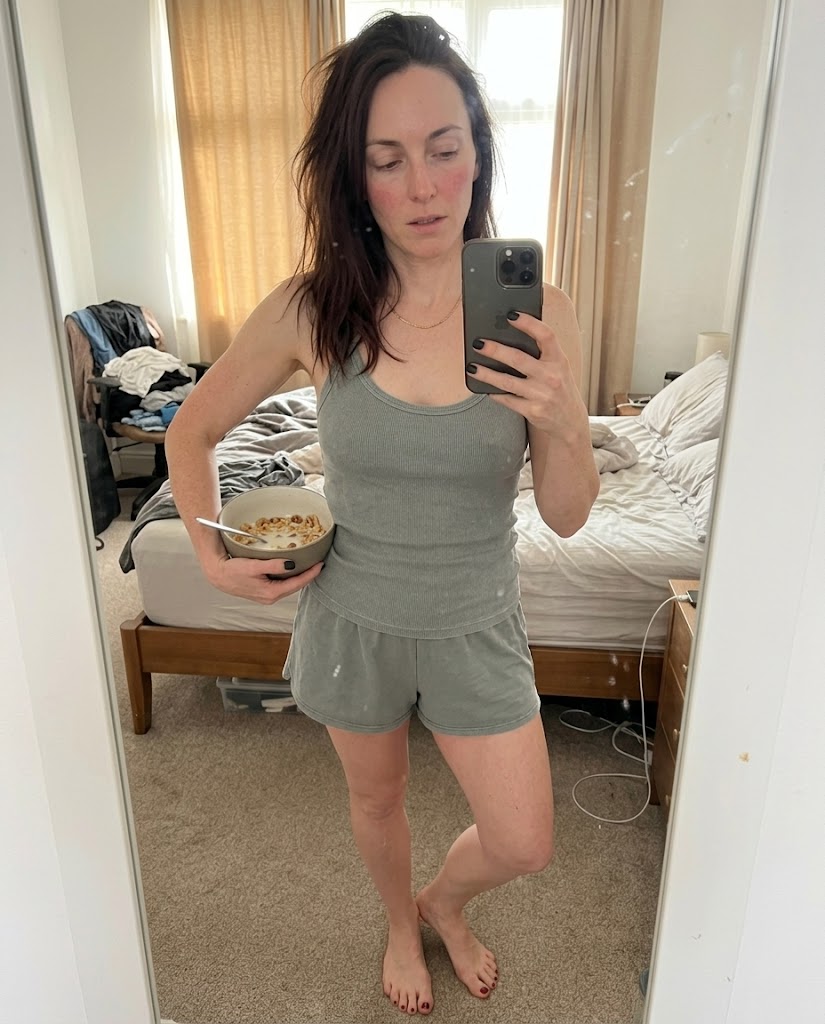
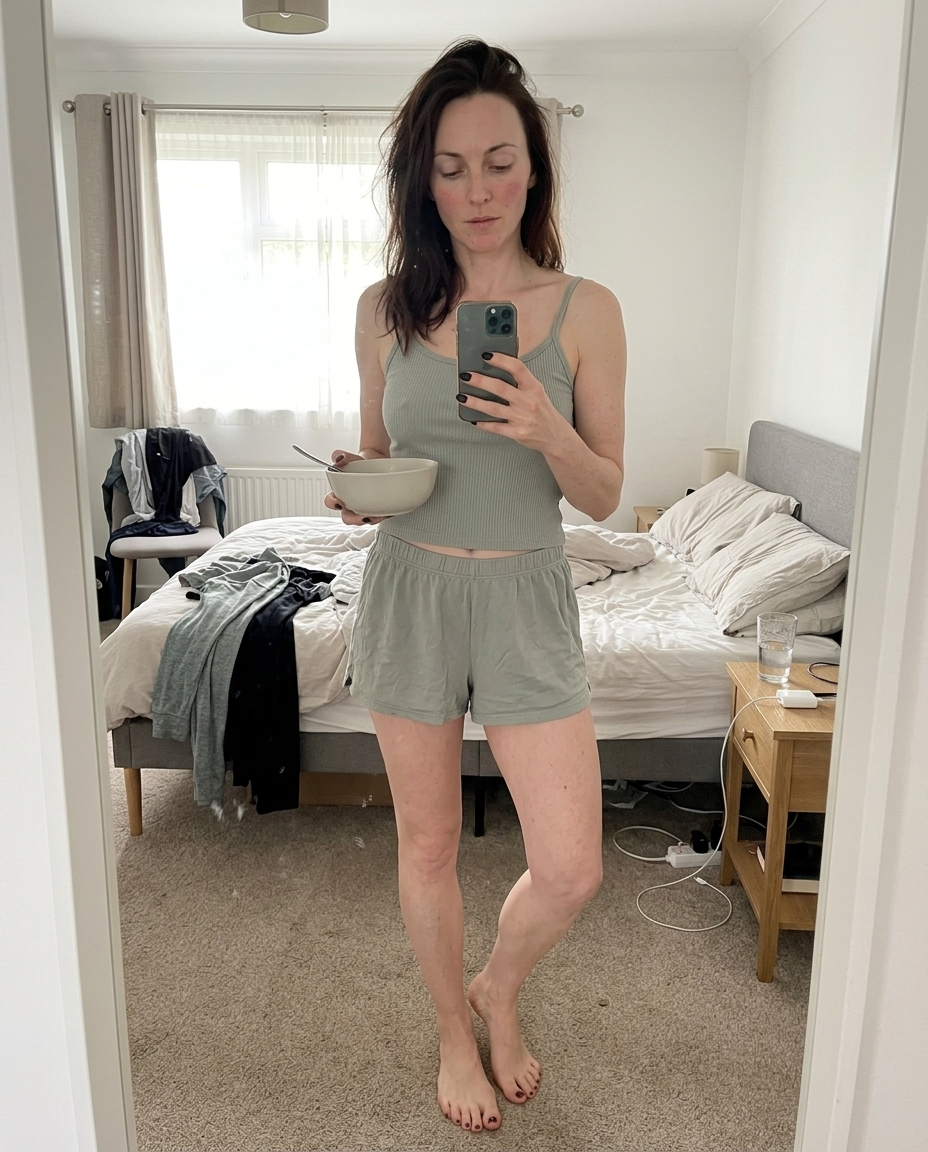
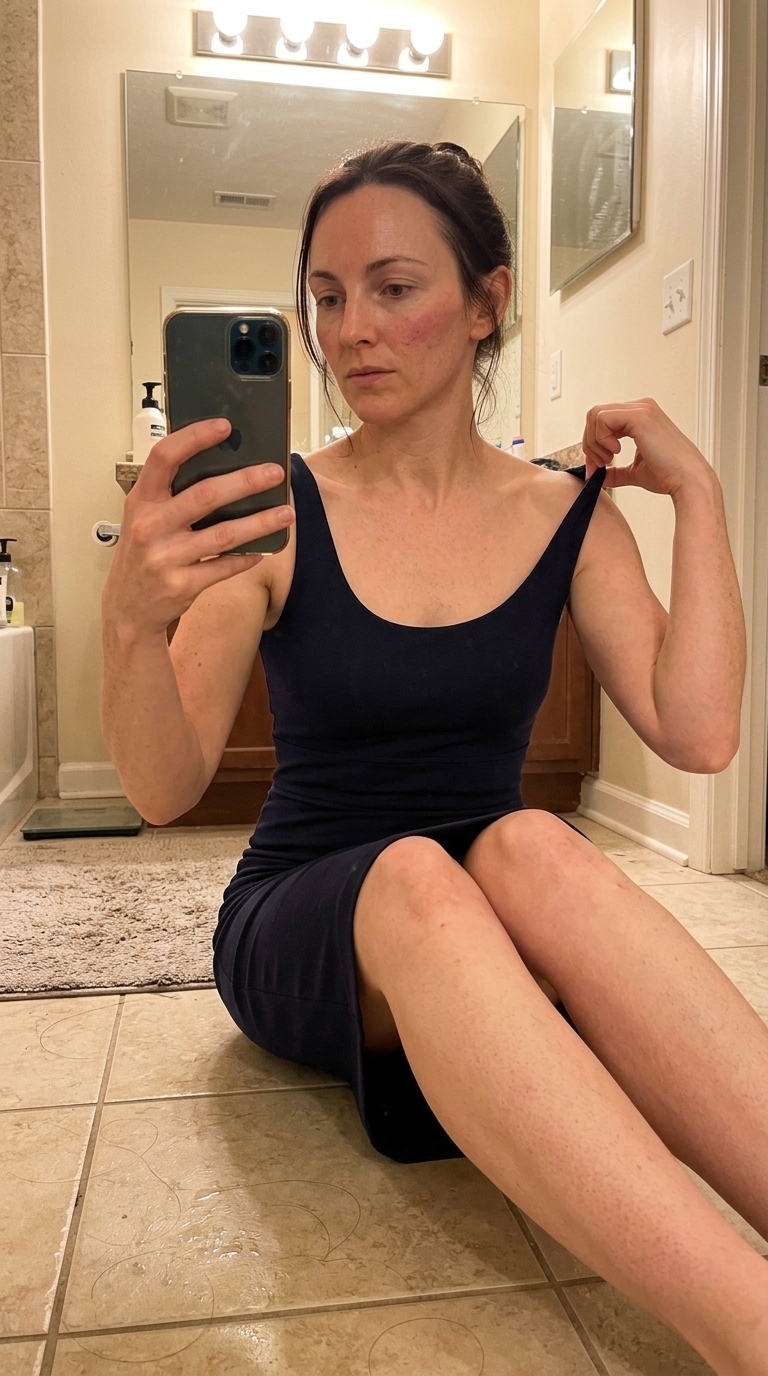
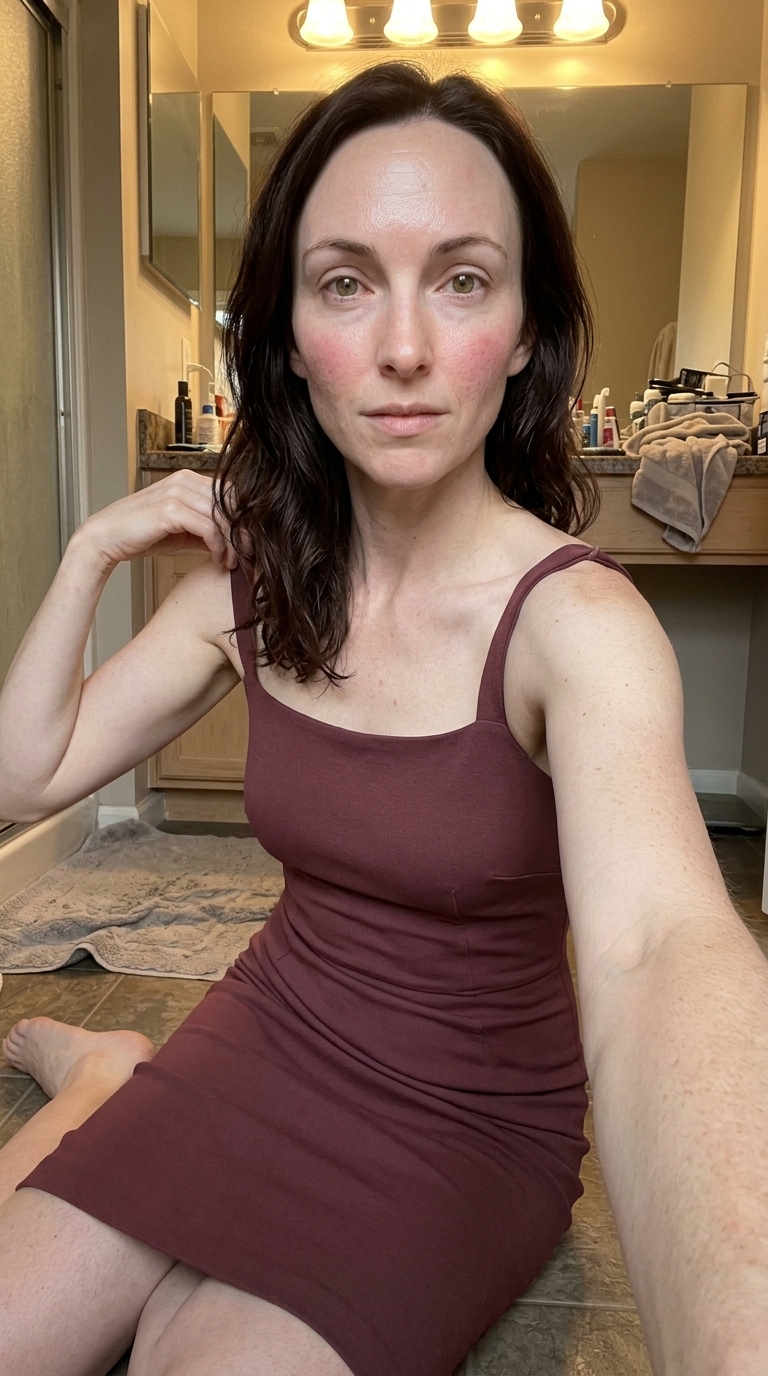
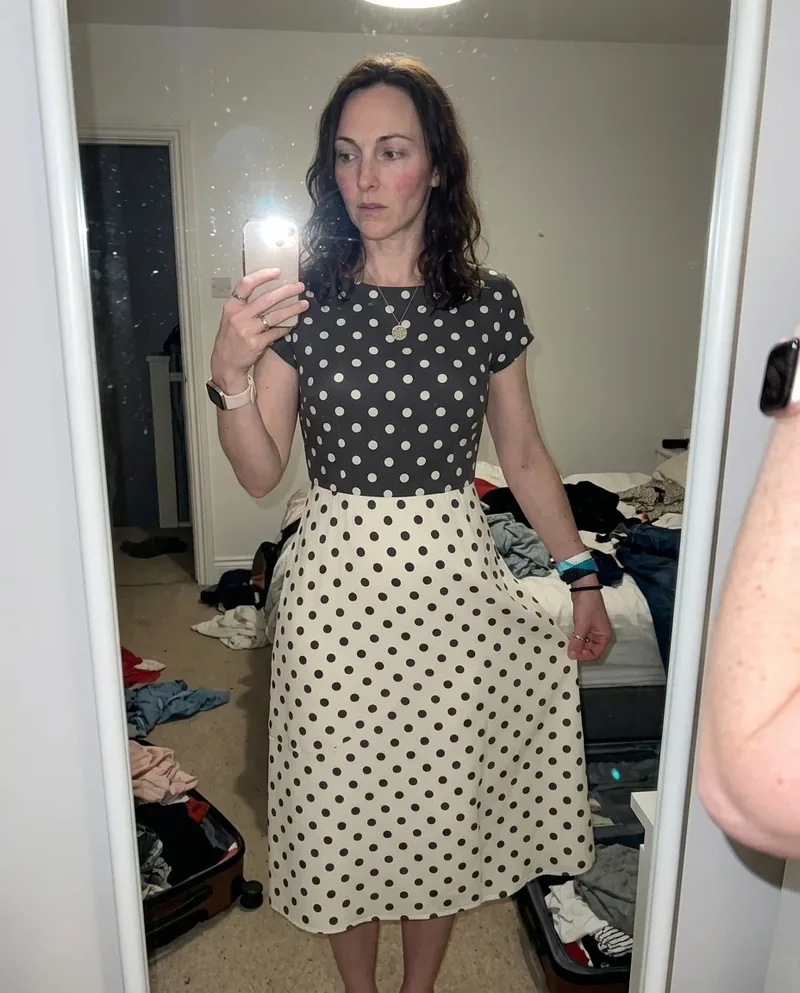
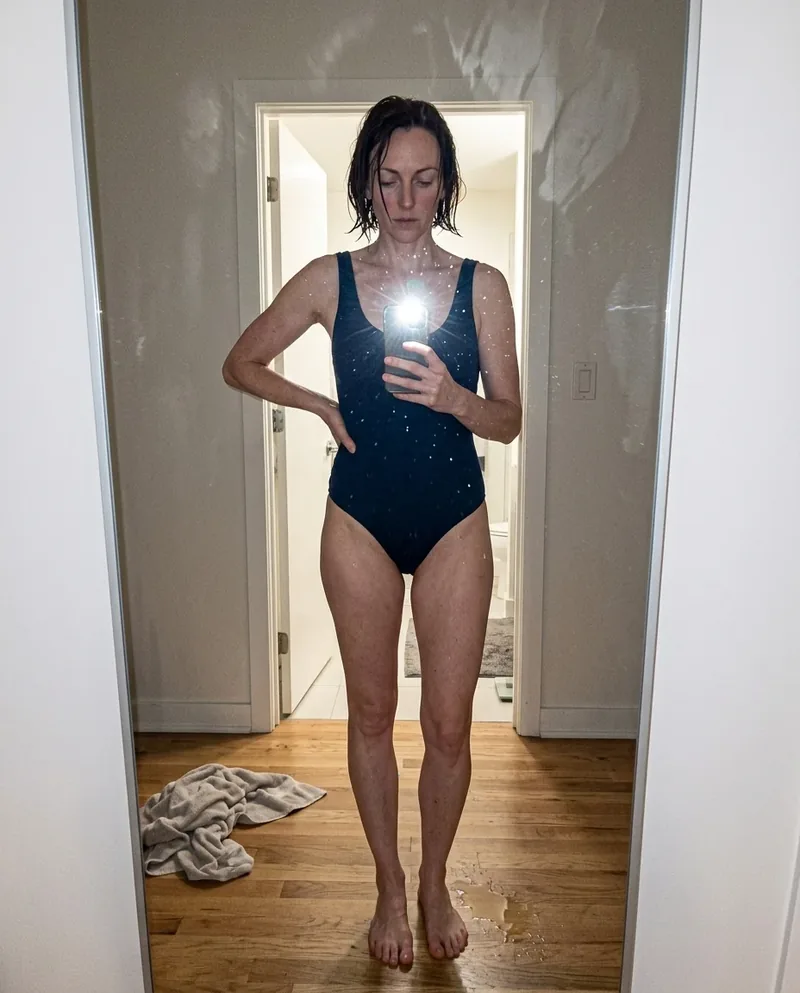
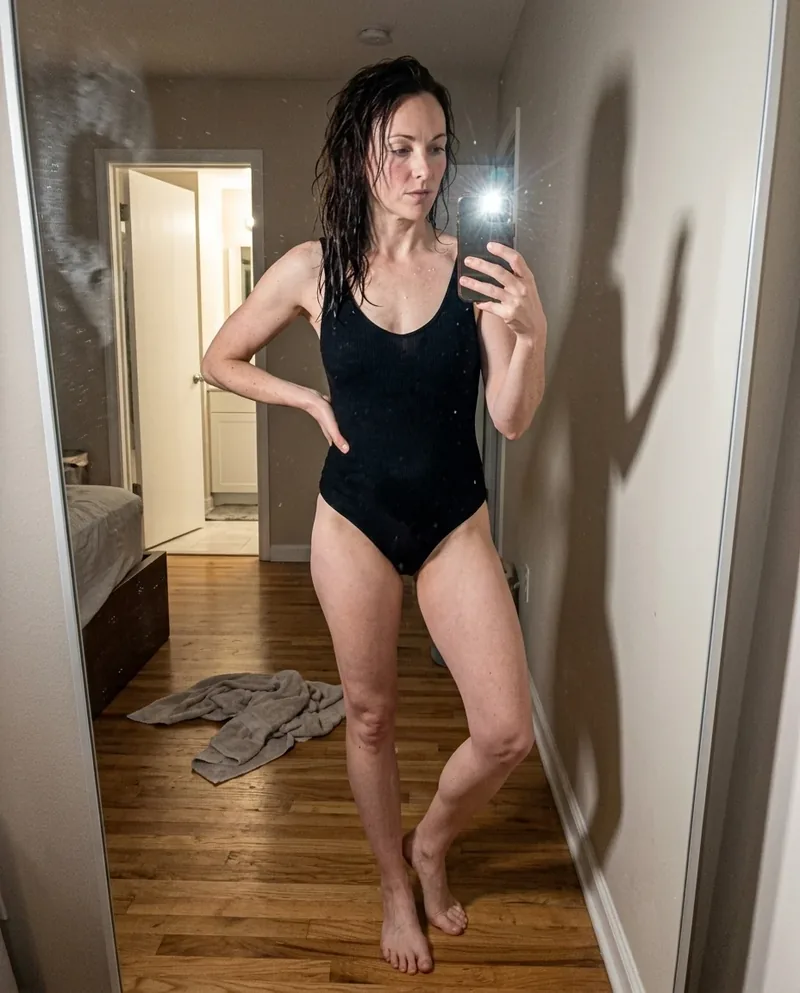
Harsh Flash is direct phone flash, ordinary rooms, and private aftermath moments where the light is rude enough to keep the image honest.
Get the next prompt drop
We publish new prompts weekly. Get them in your inbox instead of checking back.
You're in. New drops land in your inbox.
flash on skin and strap tension
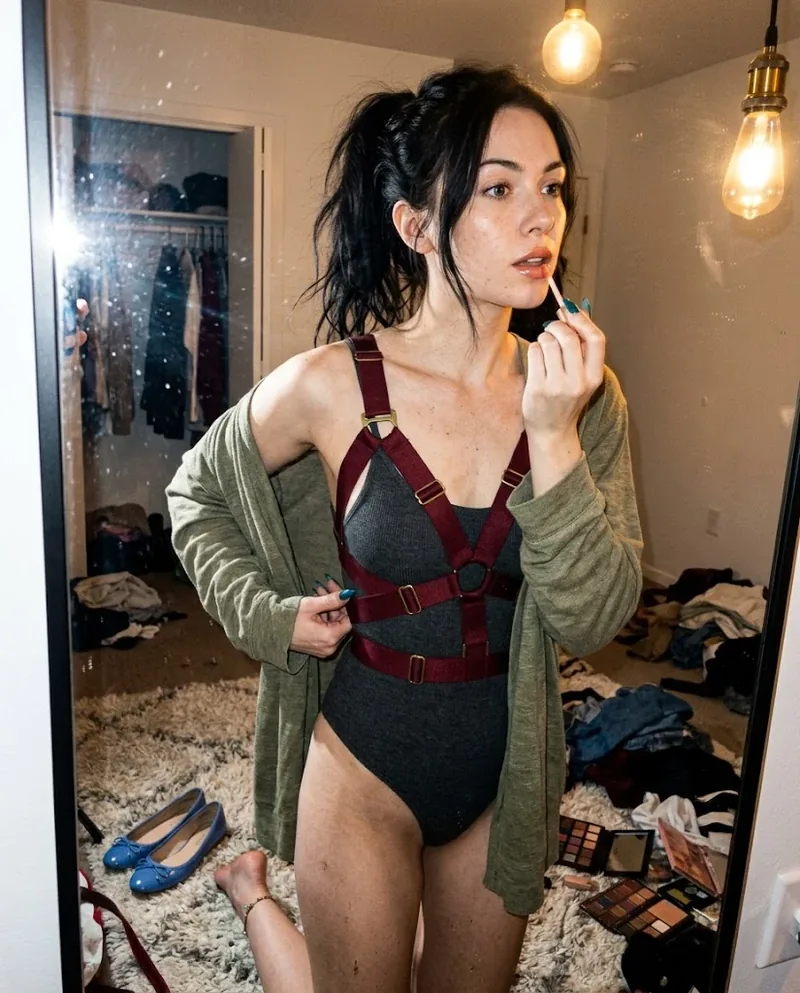
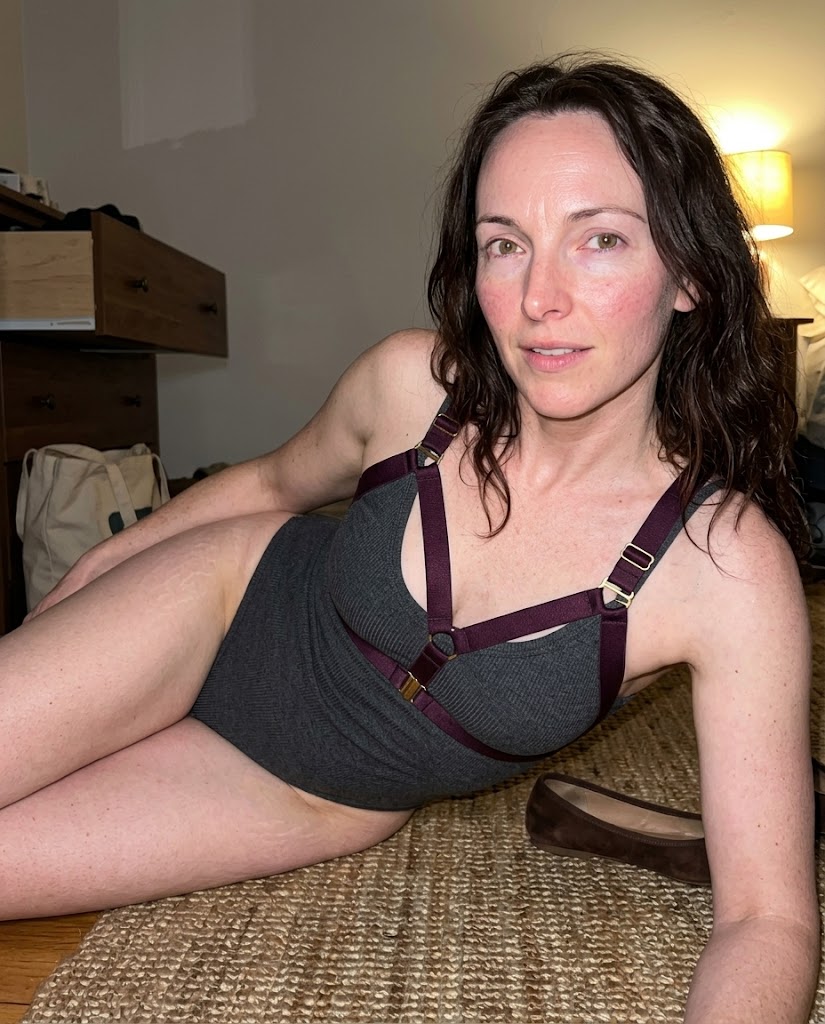
The direct flash catches the natural indentation of the elastic straps against the skin. Instead of smoothing out the body, the light reveals the honest pressure marks and the texture of the cocoa ribbed fabric. When the flash hits the hardware, it keeps a dull, metallic glint rather than a polished shine, grounding the scene in a real apartment rather than a studio. The light highlights the natural skin texture and pores of an adult woman, keeping the focus on the physical reality of the body as it sits and presses against the floor.
rug floor and room clutter
Realism lives in the details that usually get cleaned up. A trailing charger cable, a scuffed baseboard, and the casual pile of chestnut leather flats near the rug edge keep the frame from feeling staged. The camera angle is low and intimate, capturing the way an adult body actually sits and folds on a living room floor after a long day. If the rug fibers look a little worn or the laptop is left open, the image stops feeling like a performance and starts feeling like a private moment of acceptance.
skin texture and camera crop
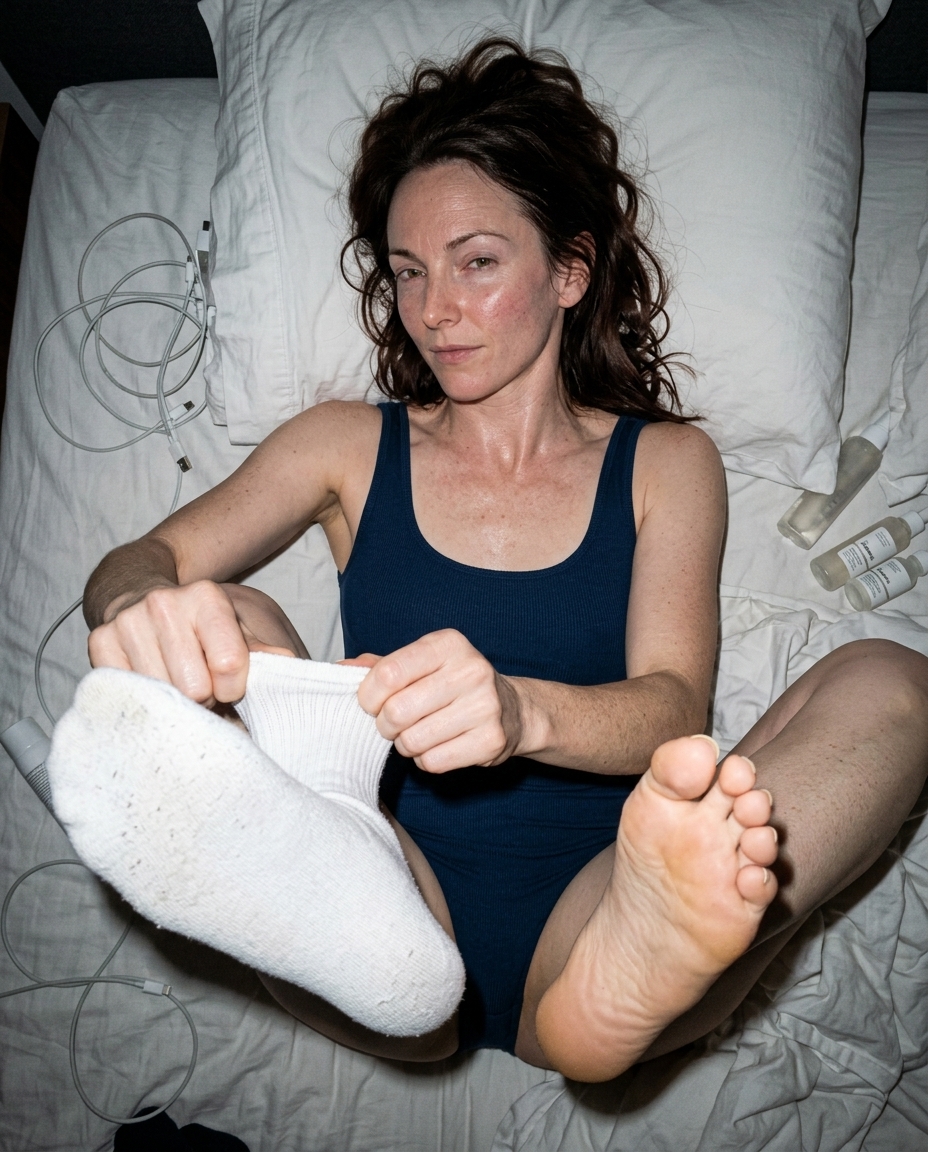
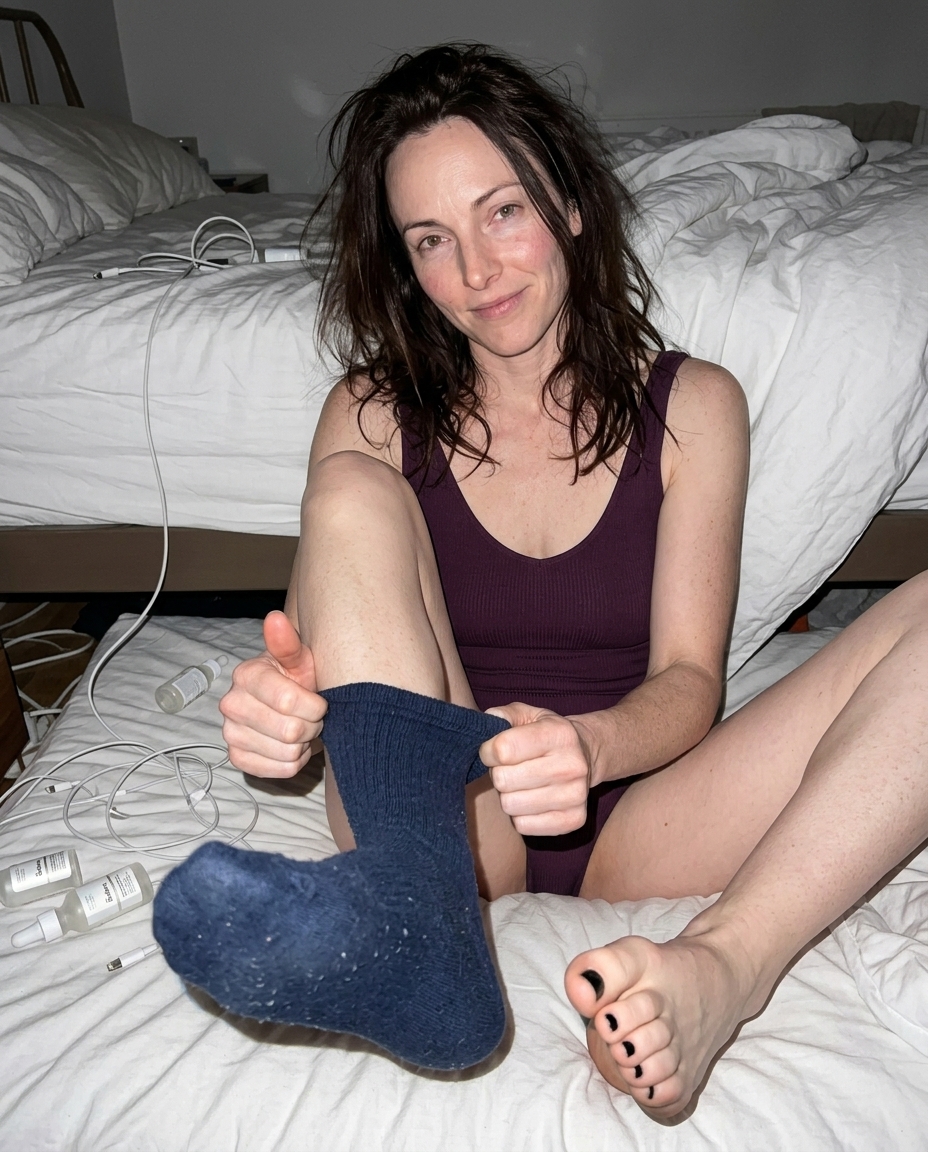
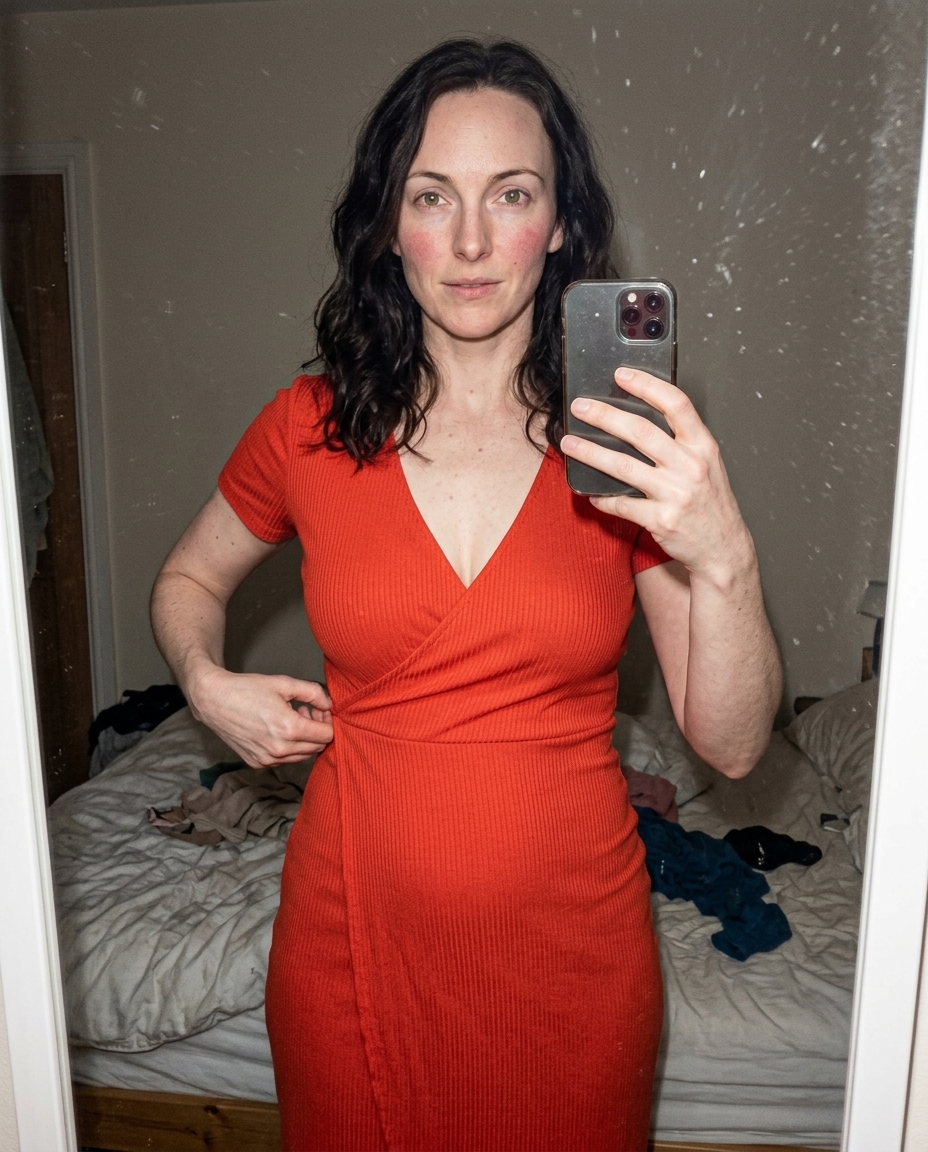
The subject is a 30-year-old woman with a bare, lived-in face. The flash catches the natural rosacea flush across the nose and cheeks, along with visible pores and the subtle, settled geometry of a mature face. By avoiding the urge to widen the eyes or soften the jawline, the portrait stays grounded. The half-open mouth and heavy lids suggest a moment of genuine exhale, making the entire body-check feel like a quiet, honest look at the body as it is.
Frequently asked questions
How do I keep the skin from looking like plastic?
Focus on the lighting. Harsh, direct flash is effective for revealing actual skin texture like pores, faint peach fuzz, and uneven tone. If the light is diffused too much, the AI will naturally try to smooth everything out, which is how the realism is lost.
Why does the framing feel so tight?
A tighter, side-led crop forces the viewer to look at the physical reality of the body—the way straps press into the skin or how thighs fold against the floor. It is meant to feel like a quick, private snapshot rather than a composed editorial shot.
How do I make the room look lived-in?
Include the messy, unglamorous evidence of a real life. A trailing charger, scuffed baseboards, or a pair of shoes kicked off in the corner tell a much more convincing story than a perfectly styled background. Clutter is a useful tool for grounding the scene.
What is the best way to capture a natural expression?
Look for the moments between poses. A slightly open mouth, heavy lids, or a tired, amused half-smile usually reads as more authentic than a wide-eyed, camera-ready grin. It is about catching the subject in a moment of genuine exhale.