Low-Angle Framing
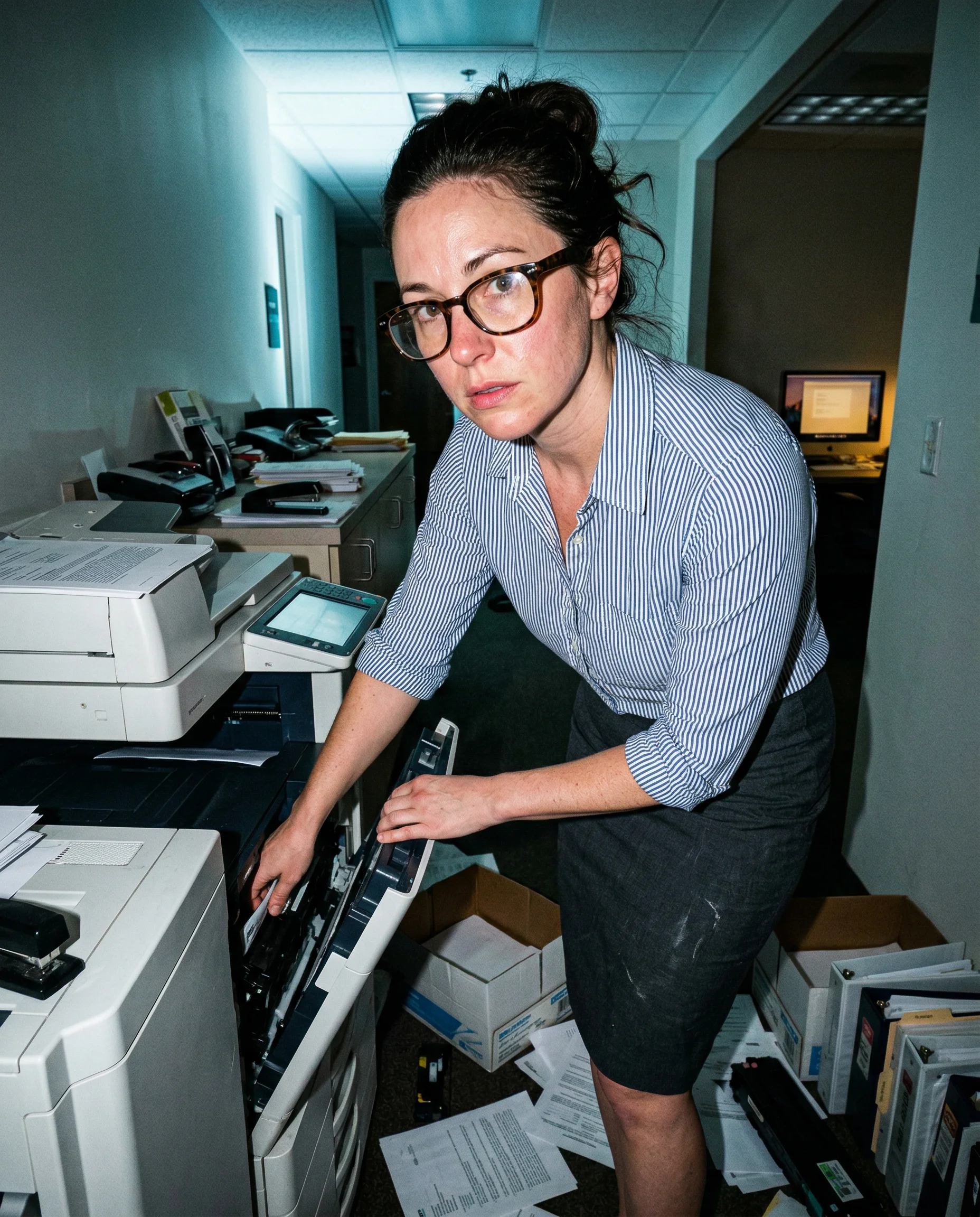
Low-angle framing forces the camera to look up from the floor, creating a sense of physical presence that makes a scene feel messy, candid, and real.
Floor-level perspective and the loss of control
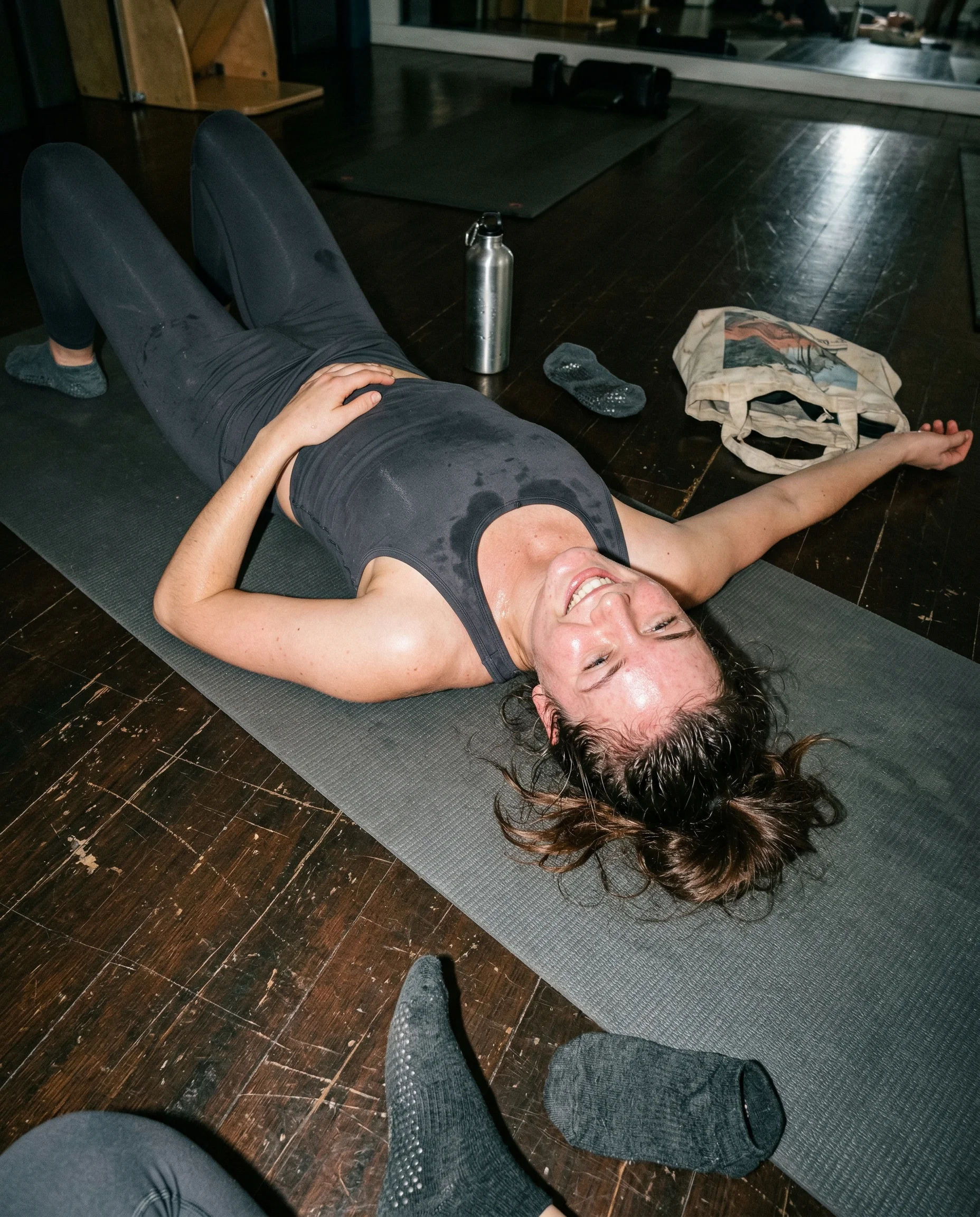
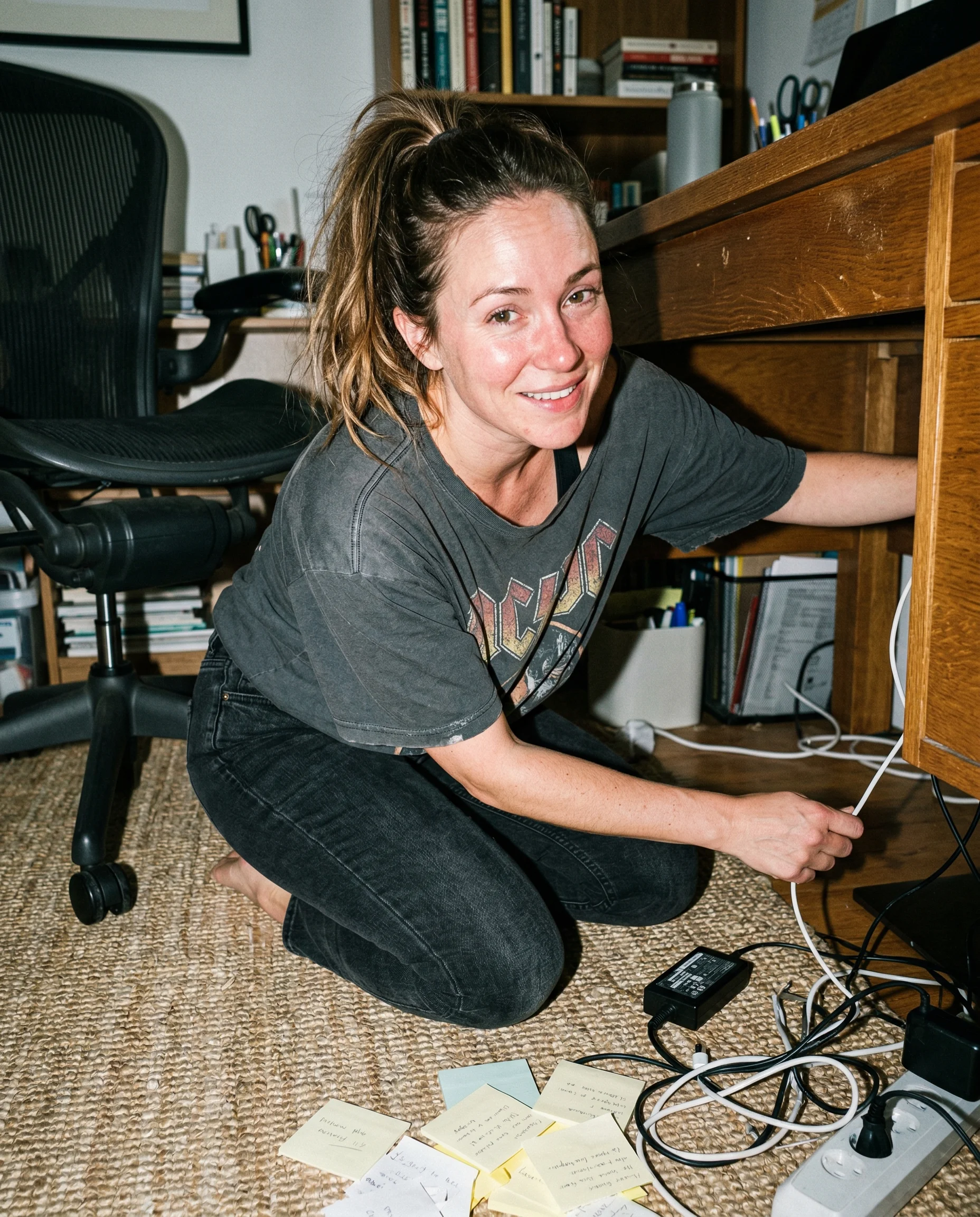
When the camera sits on the floor, it stops being a neutral observer and starts being a participant in the mess. Most AI images fail because they are framed at eye level, which feels like a deliberate, curated choice. By dropping the lens to the carpet or the tile, you force the frame to include the things people usually ignore: the scuffed baseboards, the tangled power cords, or the underside of a desk. If the camera is looking up from the floor, the subject is no longer posing for a portrait. They are just existing in a space that feels cramped and real. The moment you stop trying to frame the subject perfectly, the image starts to feel like a genuine mistake caught on a phone.
Barrel distortion and the cramped room
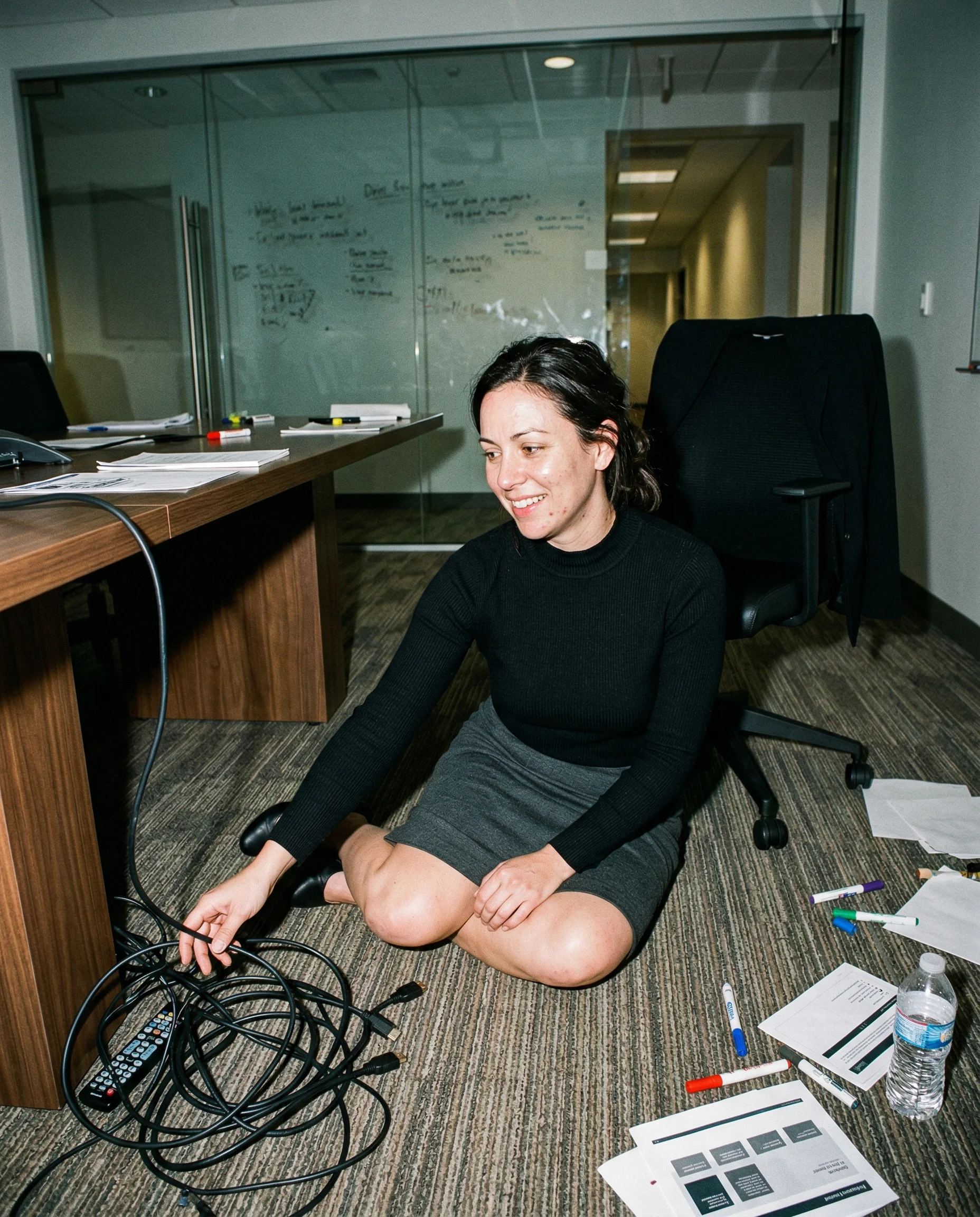
A 24mm lens or wider is the standard for this look because it introduces just enough distortion to make the room feel tight. If the walls look perfectly straight and the perspective is clean, the image feels like a render. When you use a wide-angle lens from a low position, the edges of the frame start to pull and stretch. This is where the reality of the space comes through. A cramped bathroom stall or a cluttered conference room floor needs that slight warp to feel like a real, physical box. If the space feels too open or too balanced, the illusion of a candid phone shot disappears immediately. The distortion should be subtle, but it needs to be there to remind the viewer that this is a real lens in a real, messy room.
Harsh flash on scuffed surfaces
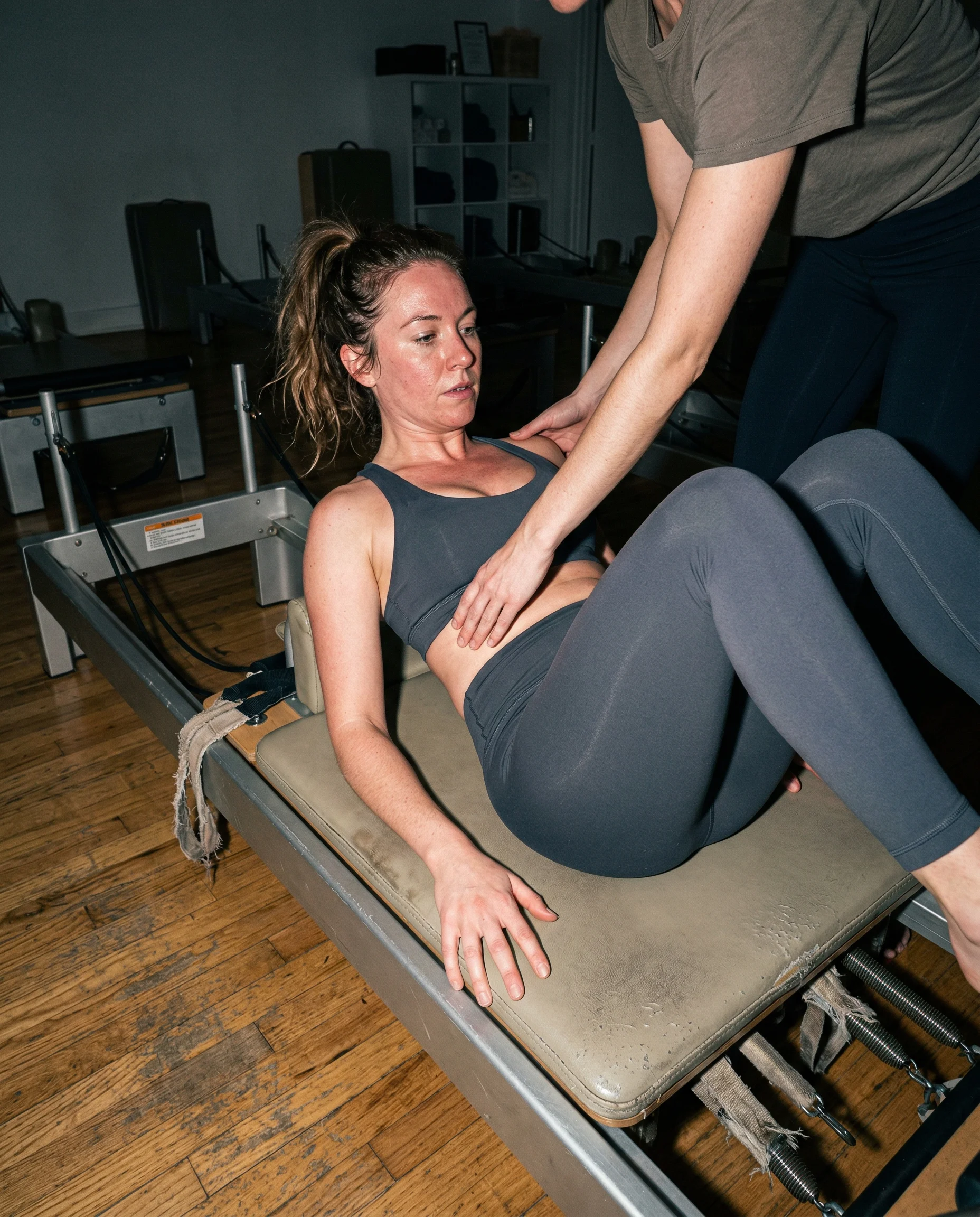
Direct, on-camera flash is the final piece that keeps this from looking like a polished editorial. When you combine a low angle with a harsh, un-diffused flash, the light hits the floor debris and the subject at the same time. It catches the dust on the carpet, the pilling on a sweater, and the shine on a forehead all at once. If the flash is too soft or too flattering, it hides the texture that makes the scene feel lived-in. I need the flash to be a little rude. It should highlight the smudges on the glass or the wrinkles in a blazer, not smooth them away. The second the lighting starts to look professional, the whole scene turns into a fake, corporate-style advertisement. Keep the light ugly, keep the angle low, and let the clutter do the work.
Low-Angle Framing questions people search for
Short answers about low-angle framing without turning the page into a help-center article.
Why does low-angle framing look more realistic?
It mimics how a phone actually sits on a floor or table during a candid moment. When you drop the camera height, you lose the staged, eye-level polish that makes most AI images look like stock photos.
How do I stop the image from looking like a professional photoshoot?
Avoid portrait mode and perfect lighting. If the camera is at floor level, it should catch the dust, the scuffed baseboards, or the tangled cables before it catches the subject's face.
What lens settings should I use for this look?
Stick to a 24mm or wider perspective. This creates slight barrel distortion at the edges of the frame, which makes the space feel cramped and lived-in rather than perfectly composed.
Where this rule shows up hardest

More realism guides