
Post-Class Pilates Mat Collapse: Harsh Flash and Studio Grit
Pilates is the post-class collapse where the sweat is real, the reformer springs are heavy, and the studio lighting is unforgiving. No polished fitness marketing here.
Get the next prompt drop
We publish new prompts weekly. Get them in your inbox instead of checking back.
You're in. New drops land in your inbox.
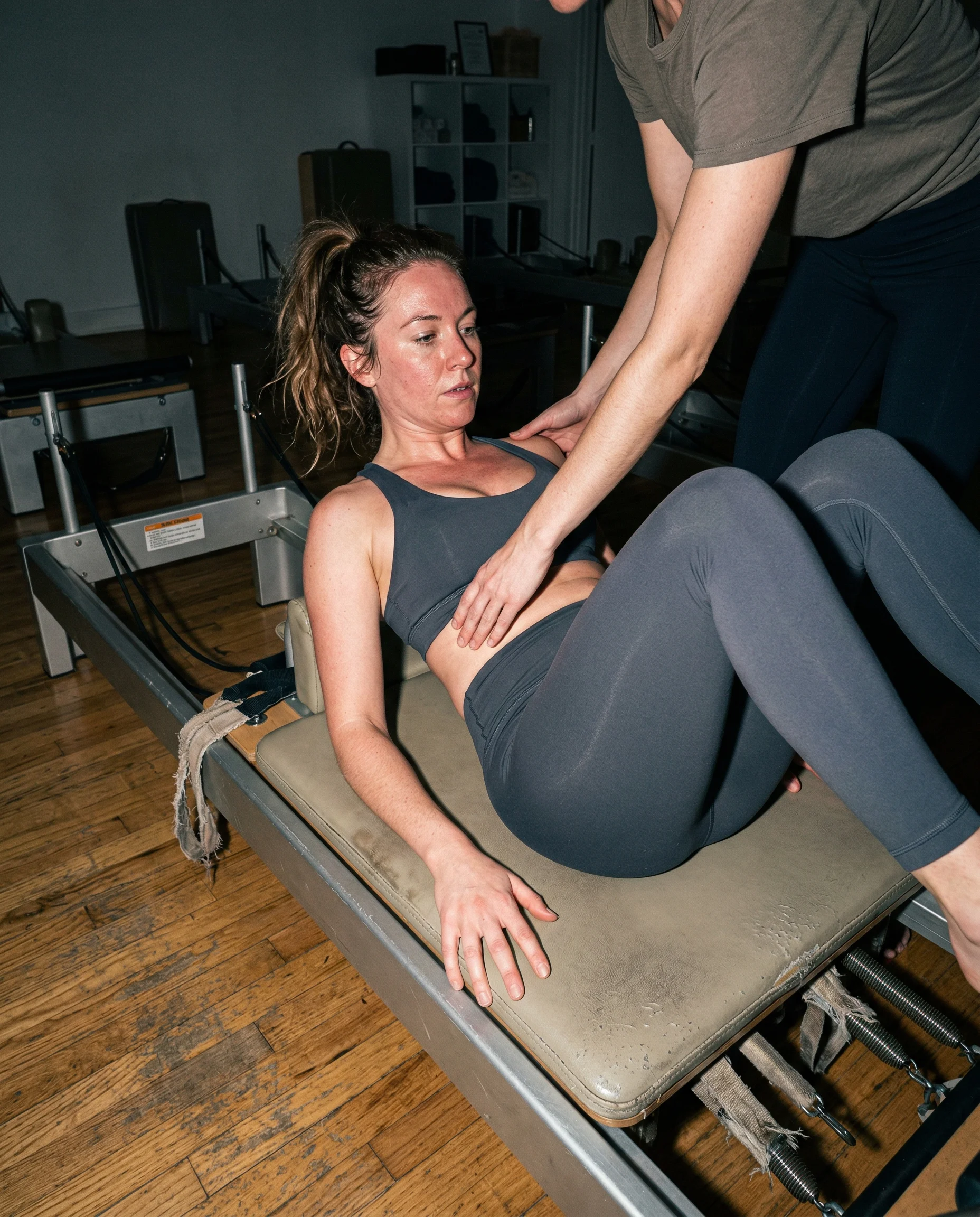
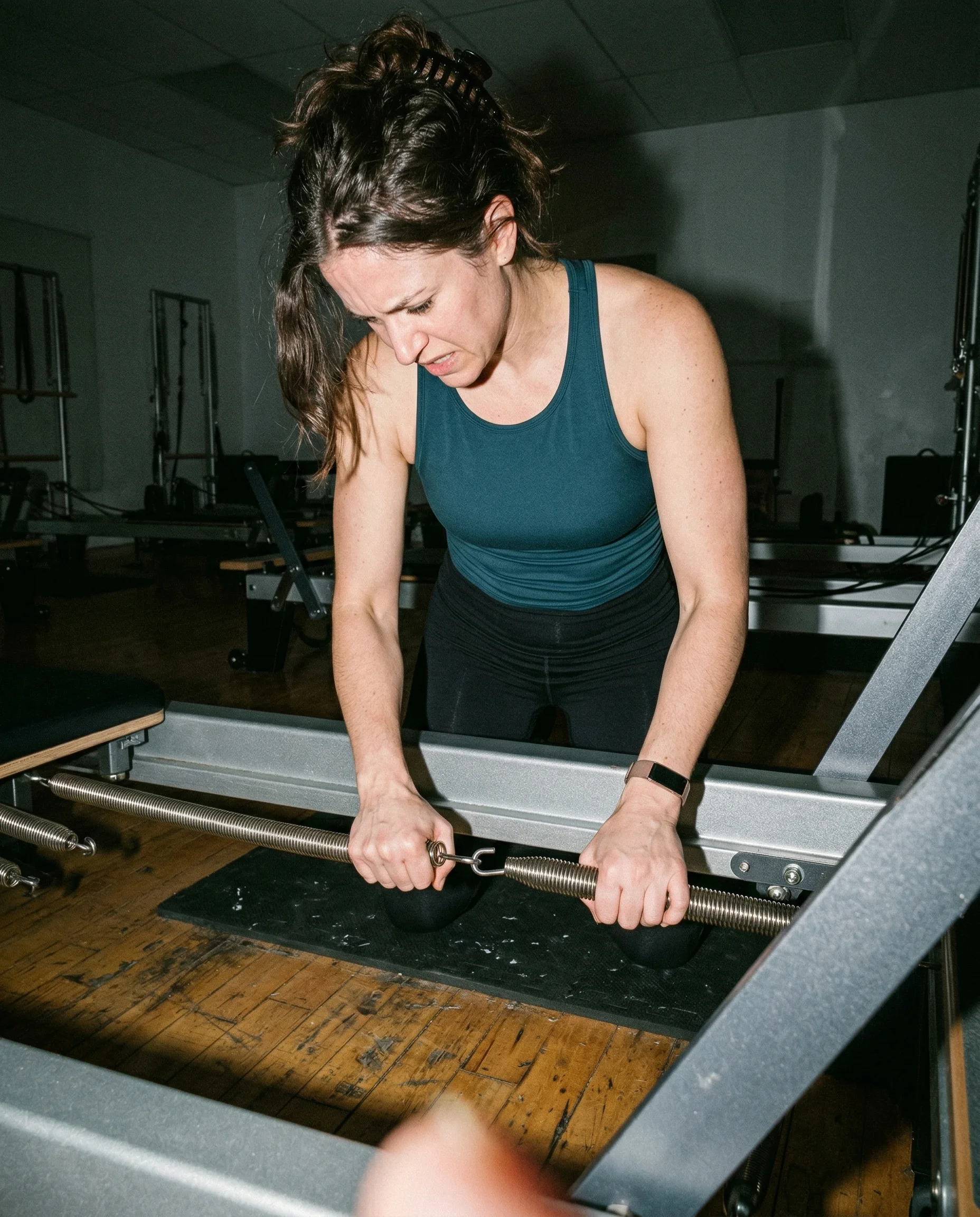
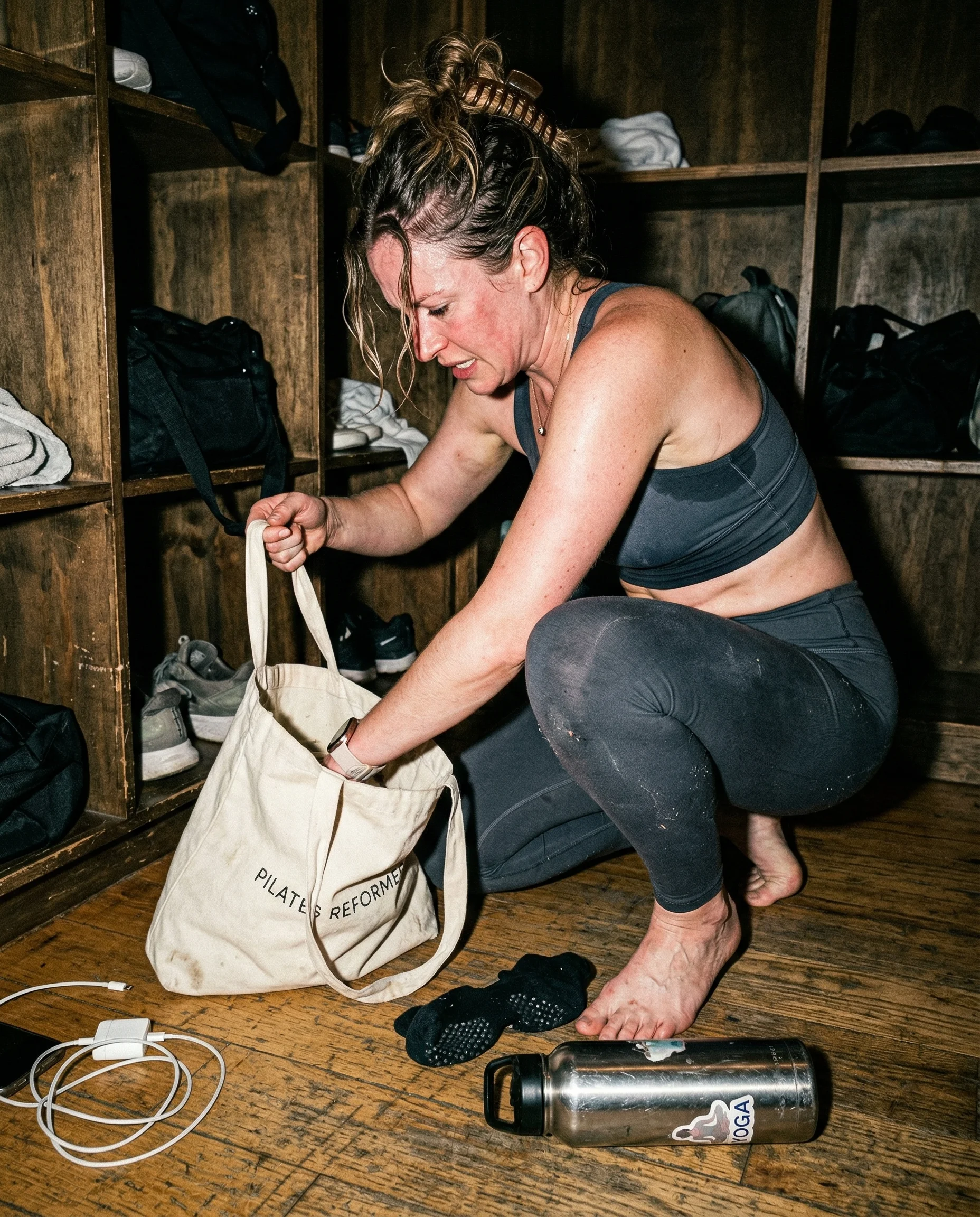
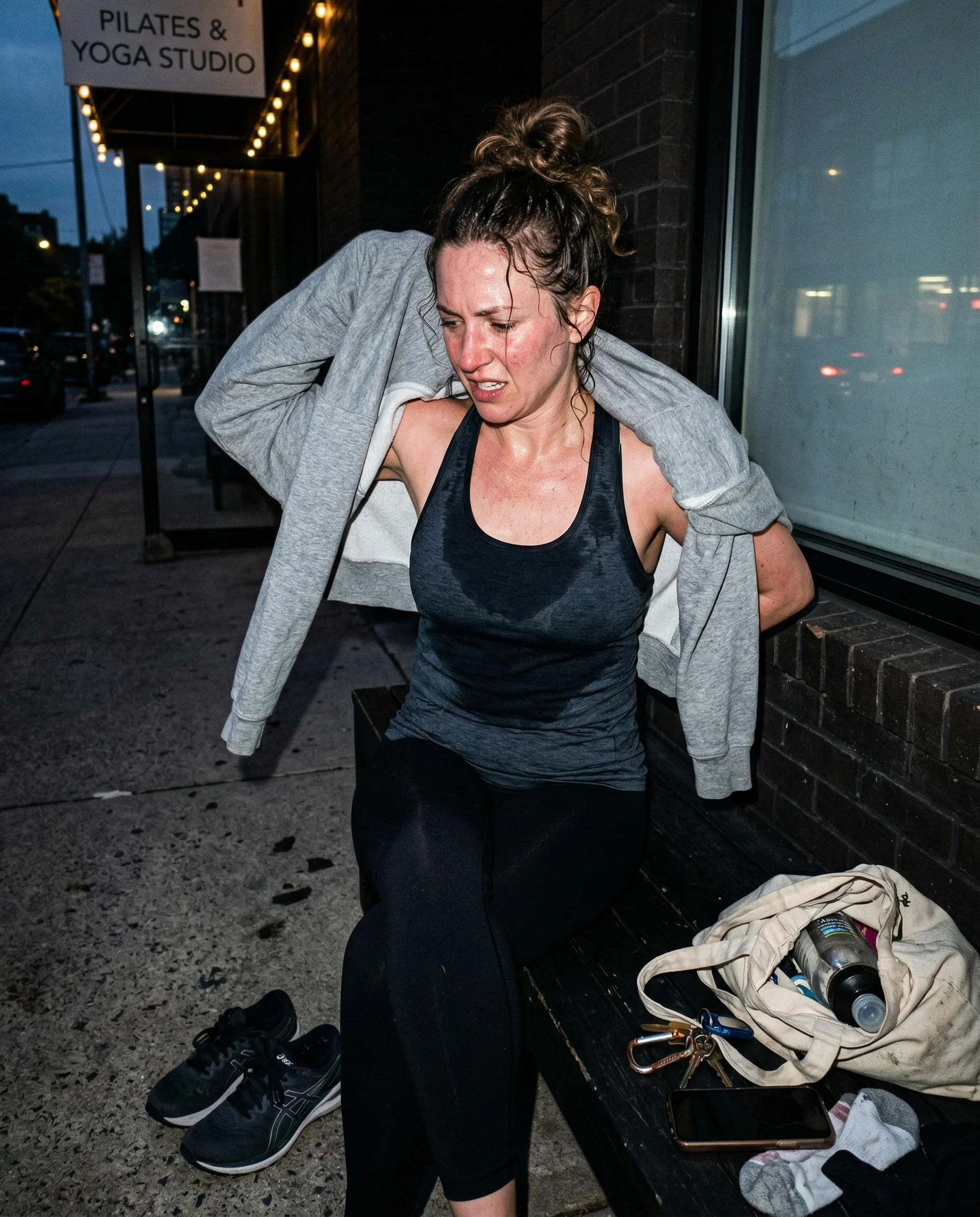
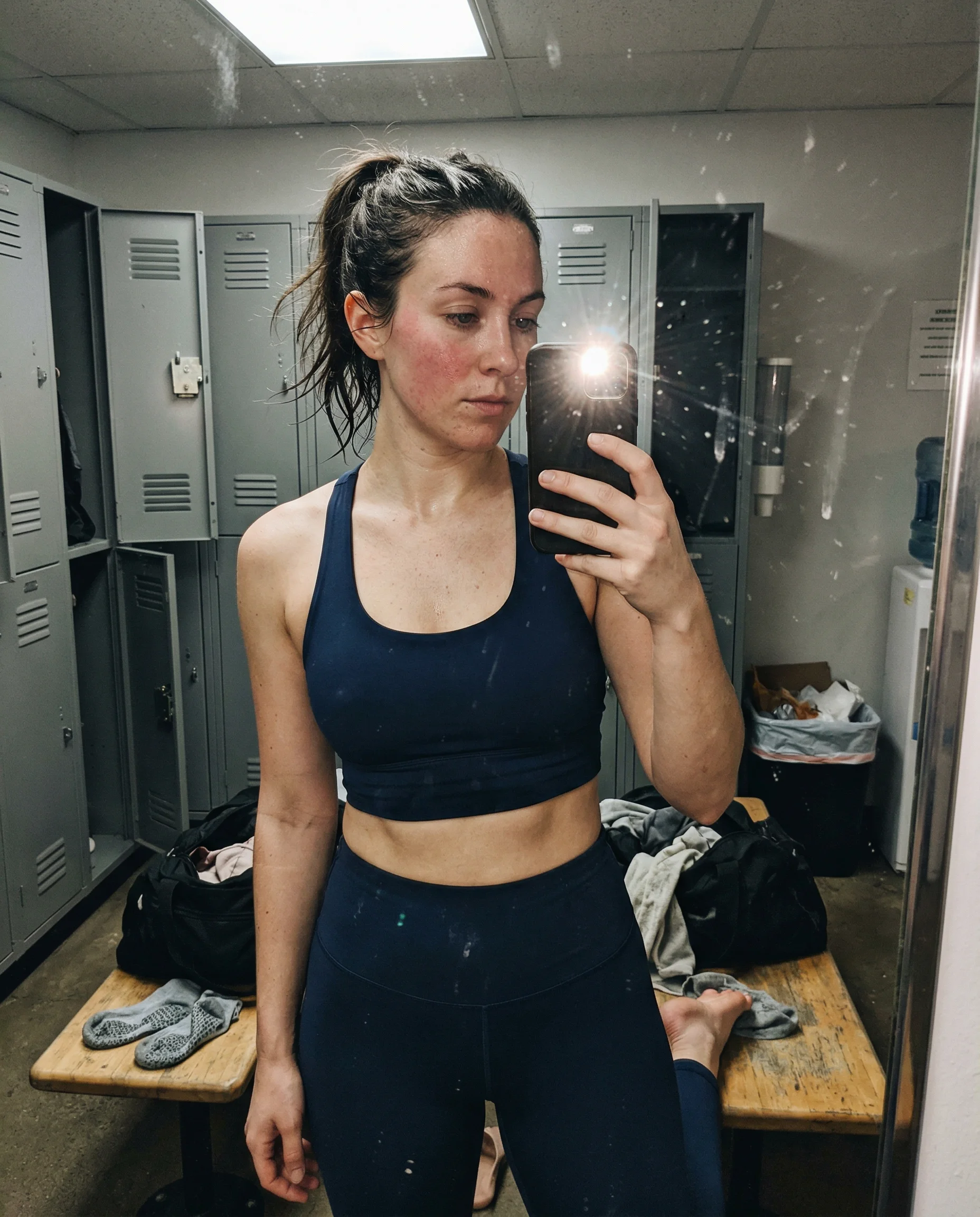
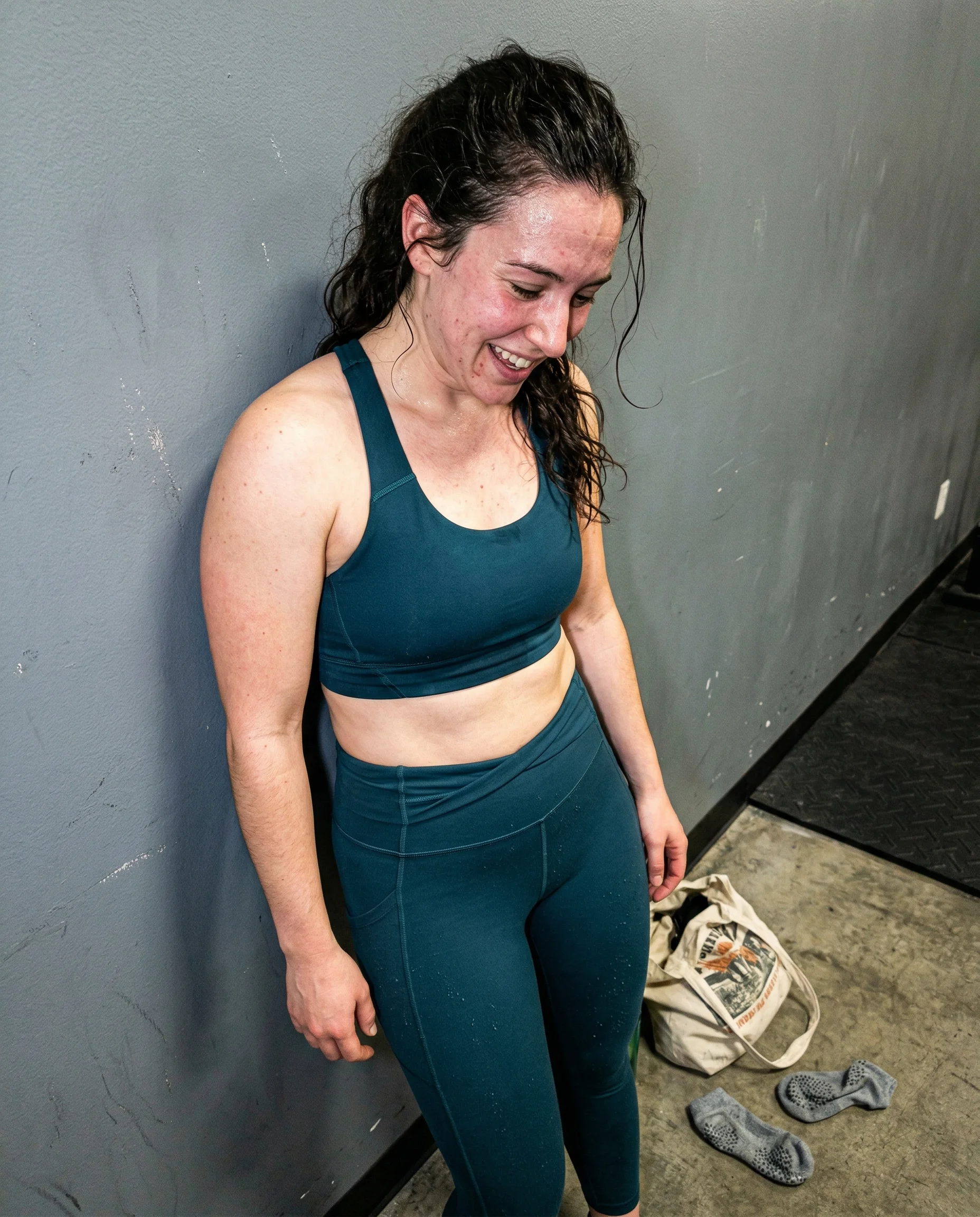
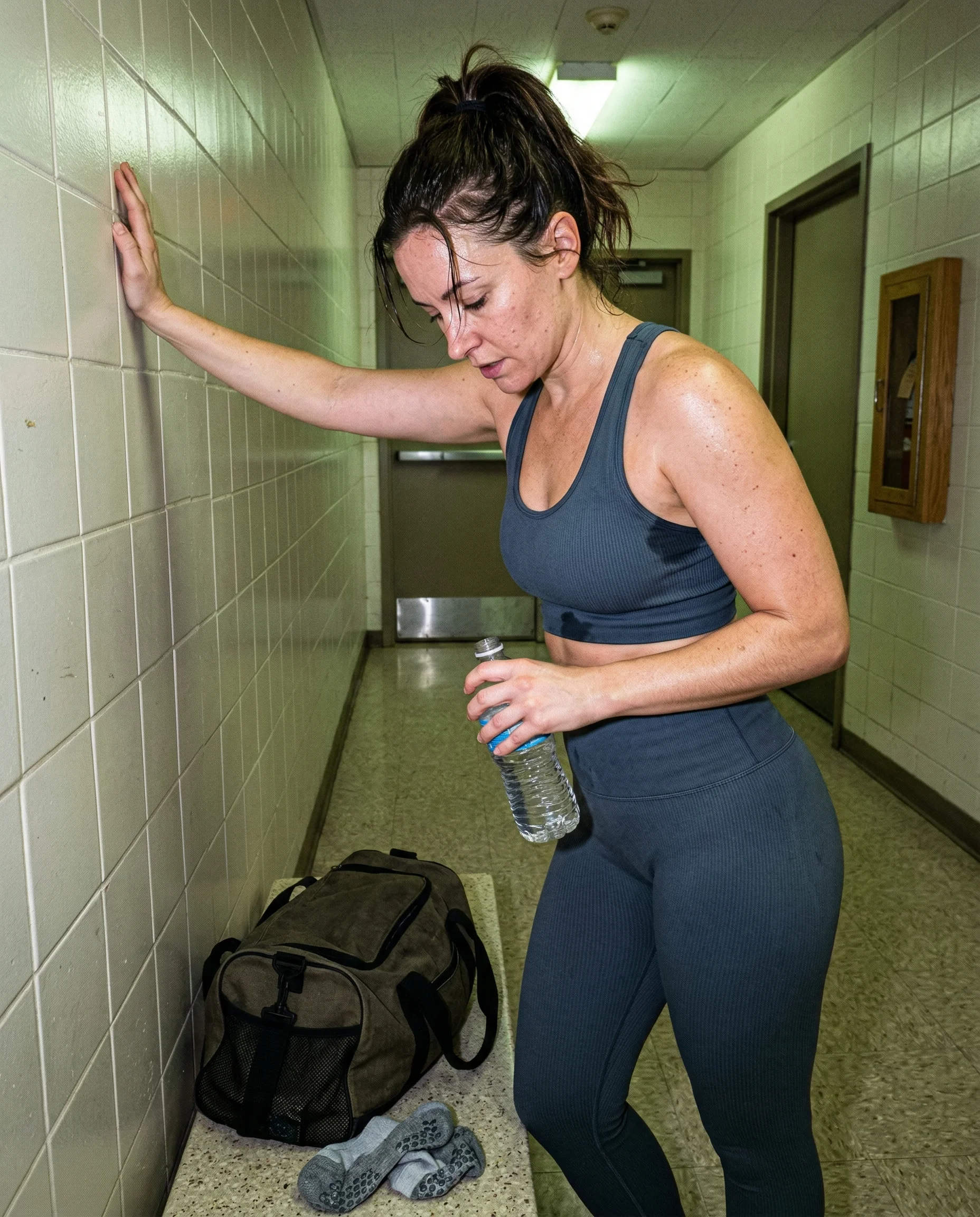
harsh flash on tired skin
If the light gets too soft, the whole thing turns into a fitness ad. I need the flash to stay a little rude here. It should catch the T-zone sheen, the pores, and the damp patches on the compression set without trying to flatter anything. If you smooth out the skin or diffuse the light, the image loses its weight instantly. The flash is there to expose the sweat and the texture of the fabric, not to make it look like a studio shoot. what matters is capture the skin exactly as it looks after forty minutes of heat—uneven, slightly shiny, and showing every bit of texture.
scuffed floors and stray gear
The studio floor does more work than the person in the frame. Scuffs, dust, and a water bottle left at a weird angle ground the scene in reality. When the gear looks too organized, the viewer knows it’s staged. A canvas tote dumped on the floor, a single grip sock, and a waistband that’s twisted from the movement are the details that prove someone was actually working until they were done. If the mat looks brand new, the scene dies; I want to see the wear and the scuff marks where the floor meets the rubber.
wide-angle phone perspective
Shooting from a low angle with a 24mm-equivalent lens mimics a phone camera held too close to the floor. It puts the viewer right in the mess. The barrel distortion and high-ISO grain keep the image from looking like a polished production. Avoid portrait mode at all costs; the second you introduce a soft, blurred background, the image starts to feel like a stock photo. Everything needs to stay sharp and honest, from the socks in the foreground to the texture of the mat. If the background is too clean, the whole thing feels like a commercial for a gym that doesn’t exist.
Frequently asked questions
How do I stop the skin from looking airbrushed?
Stick to high-ISO grain and direct, harsh lighting. If you use a softbox or any skin-smoothing filter, the pores and peach fuzz disappear, and that’s exactly where the image starts looking fake.
Why is the flash so aggressive in this shot?
It’s a direct, on-axis flash that creates sharp micro-shadows. This highlights the sweat and the pilling on the fabric. If the light were softer, you wouldn't see the sheen on the skin or the reality of the workout.
How do I make the studio floor look real?
Stop aiming for a pristine gym. Look for scratches, scuffs, and dust. The contrast between a clean mat and a worn-out, scuffed floor anchors the image in a real space instead of a set.
What makes the clothes look like they were actually worn?
Look for fabric pilling, sweat marks, and a fit that isn't perfect. When clothing looks tailored, it signals a photoshoot. When it looks damp or bunched up at the waist, it signals a hard class.