
Pilates Reformer Form Correction: Harsh Flash Candid
Pilates is the post-class collapse where the sweat is real, the reformer springs are heavy, and the studio lighting is unforgiving. No polished fitness marketing here.
Get the next prompt drop
We publish new prompts weekly. Get them in your inbox instead of checking back.
You're in. New drops land in your inbox.

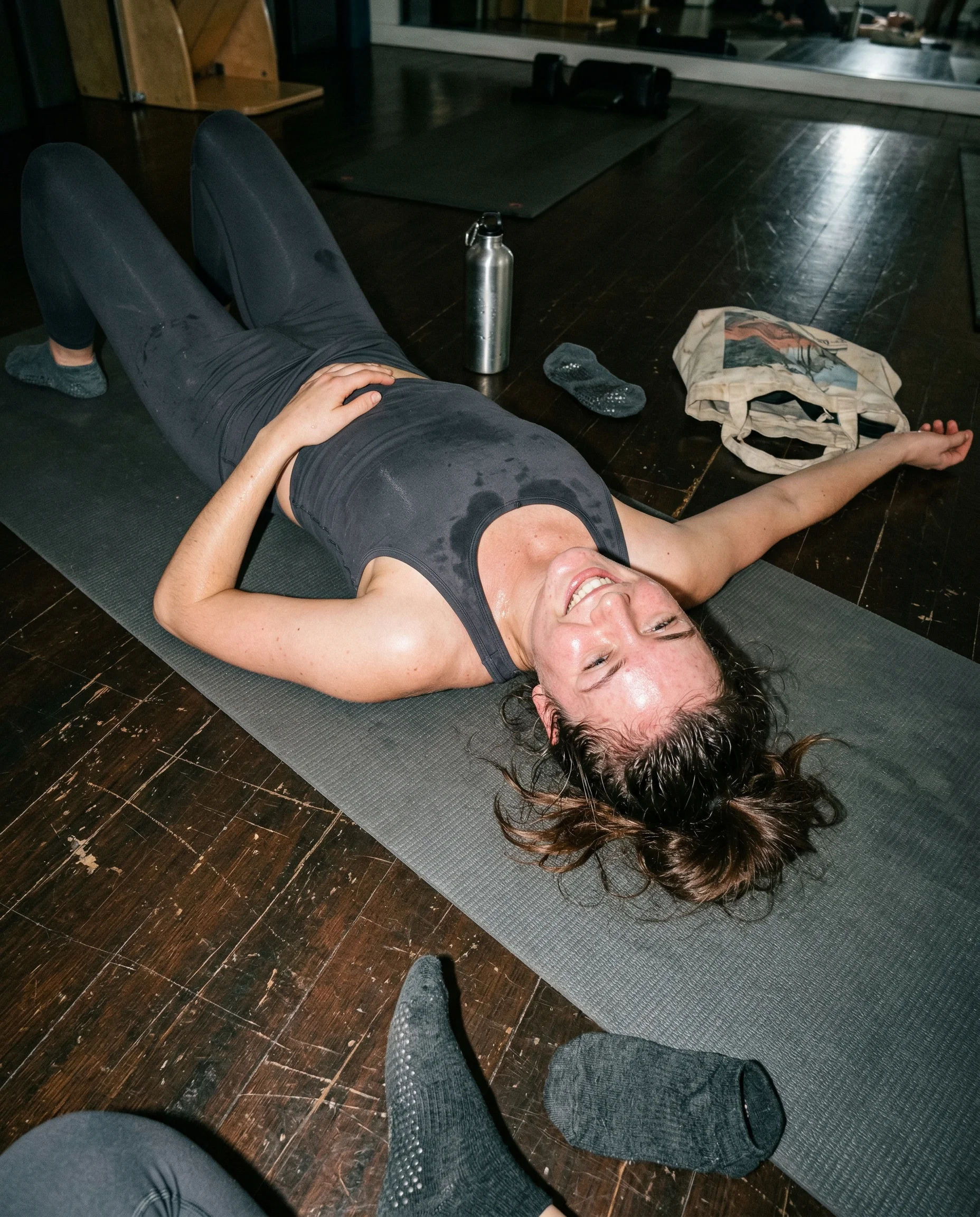
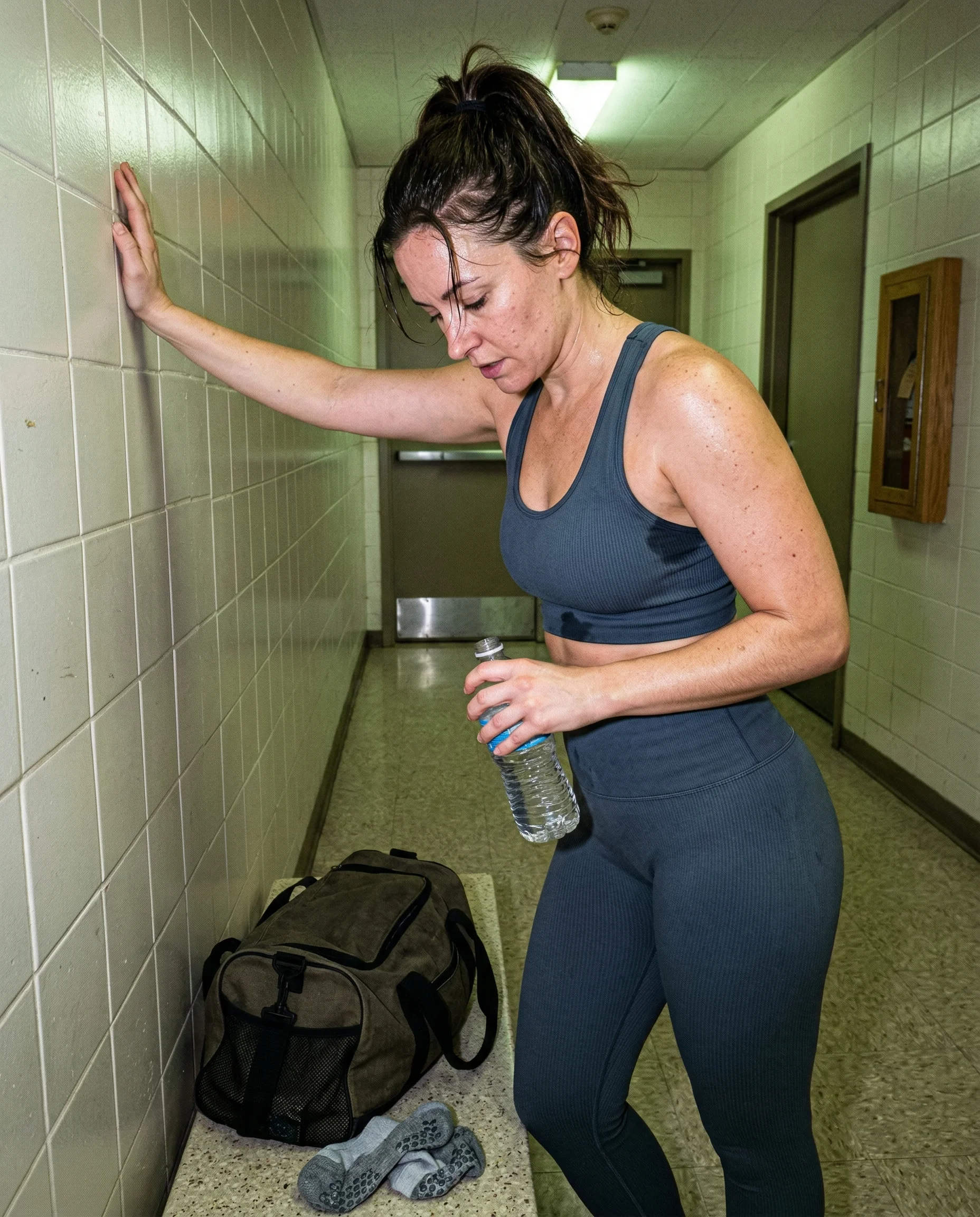
harsh light on tired skin
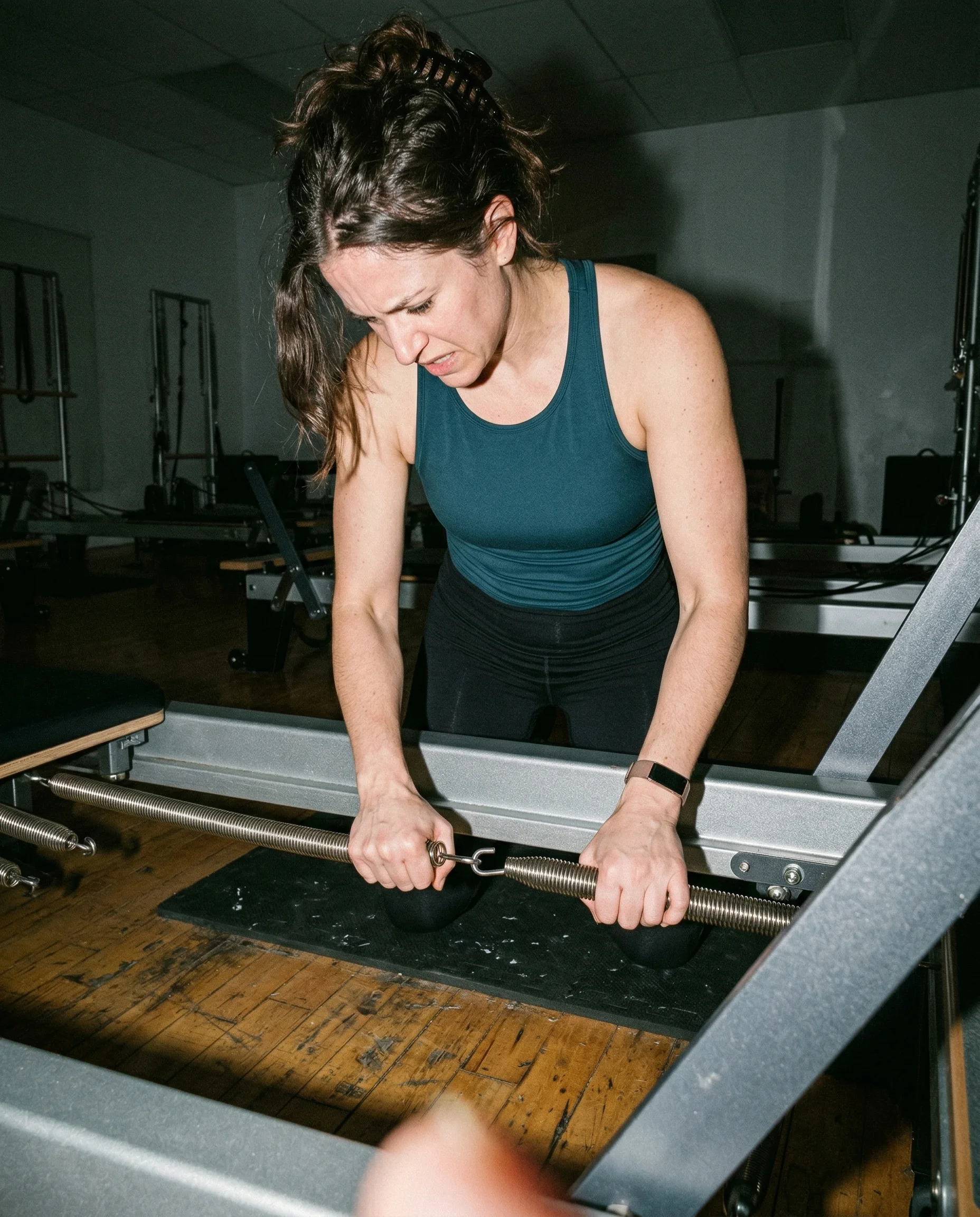
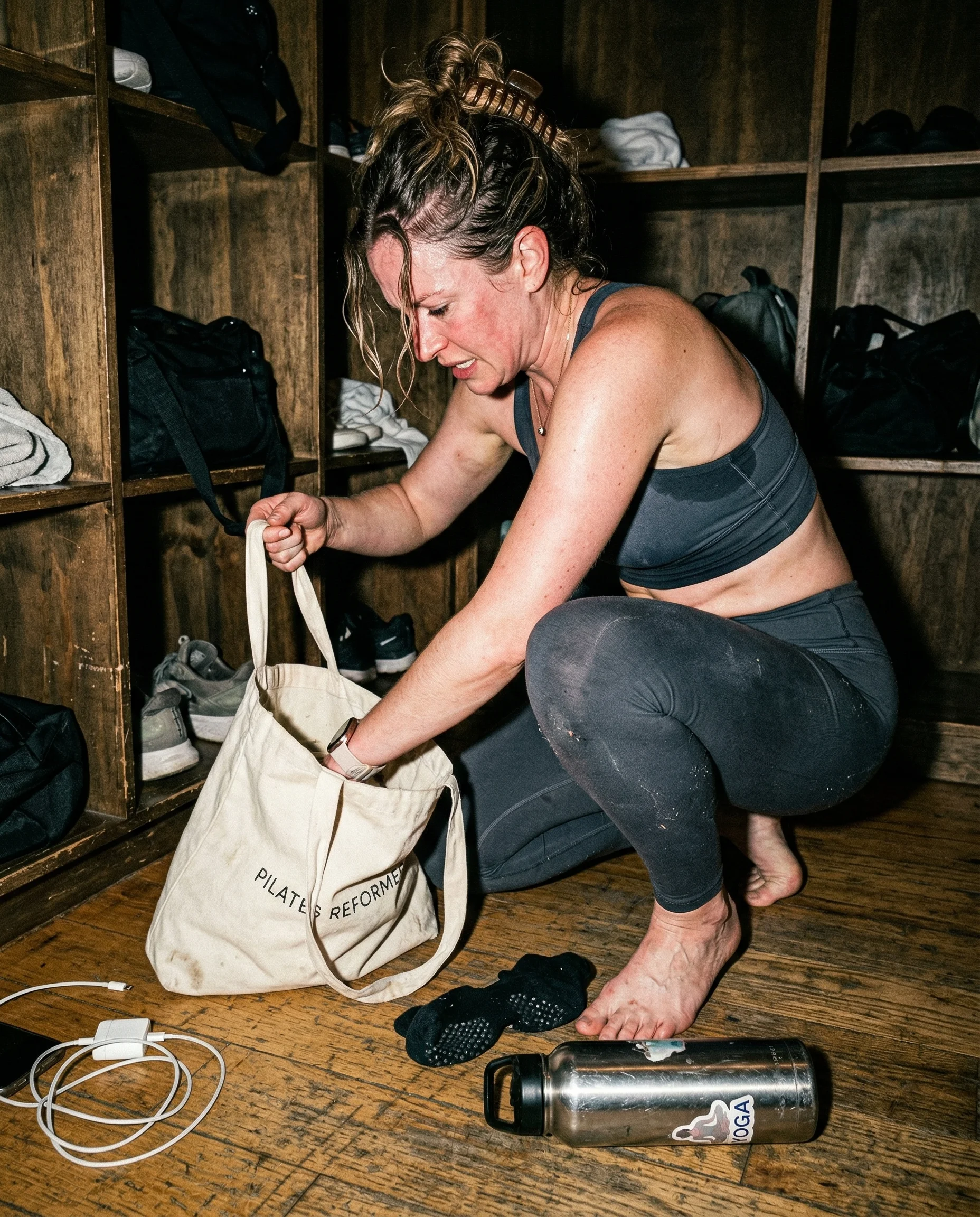
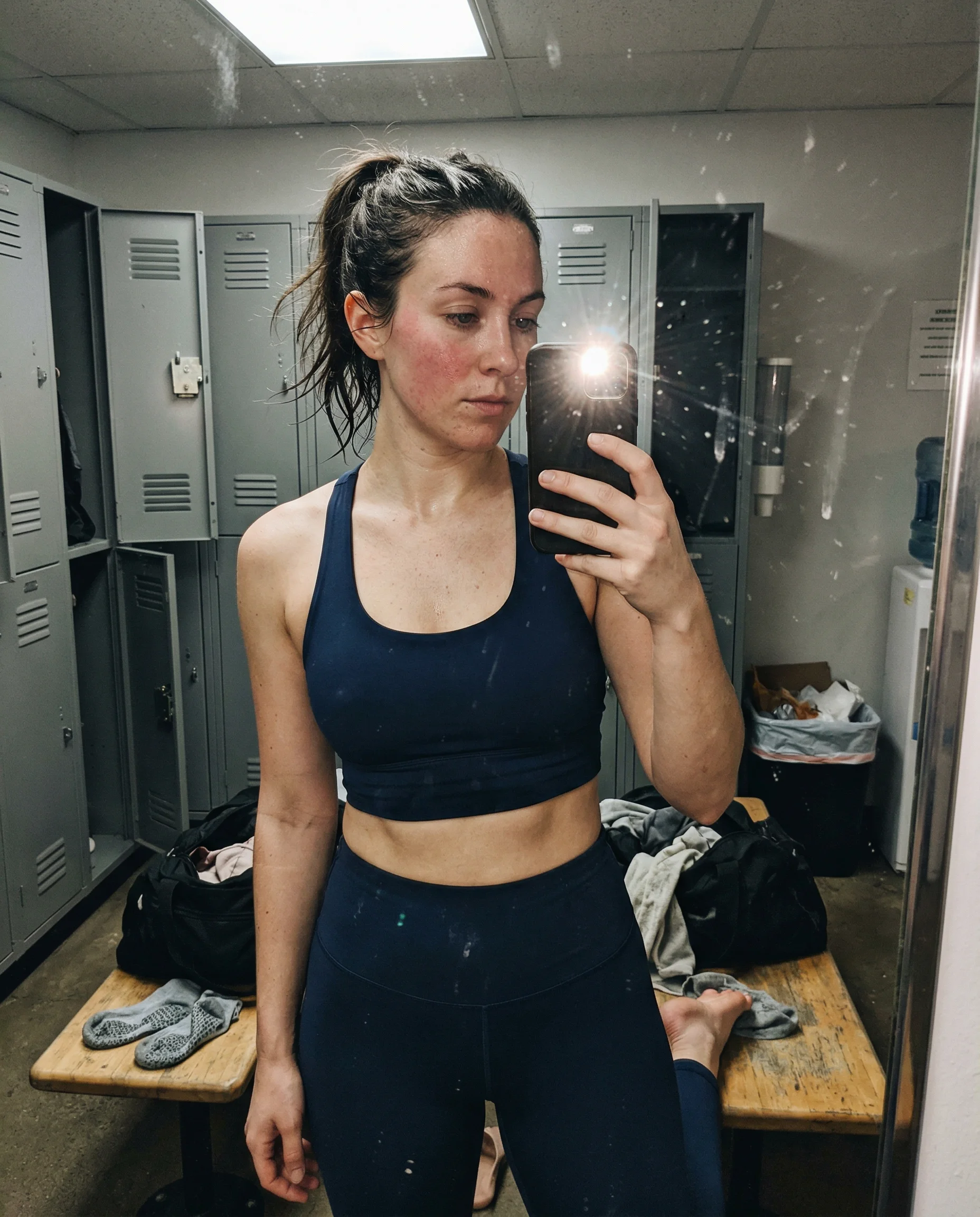
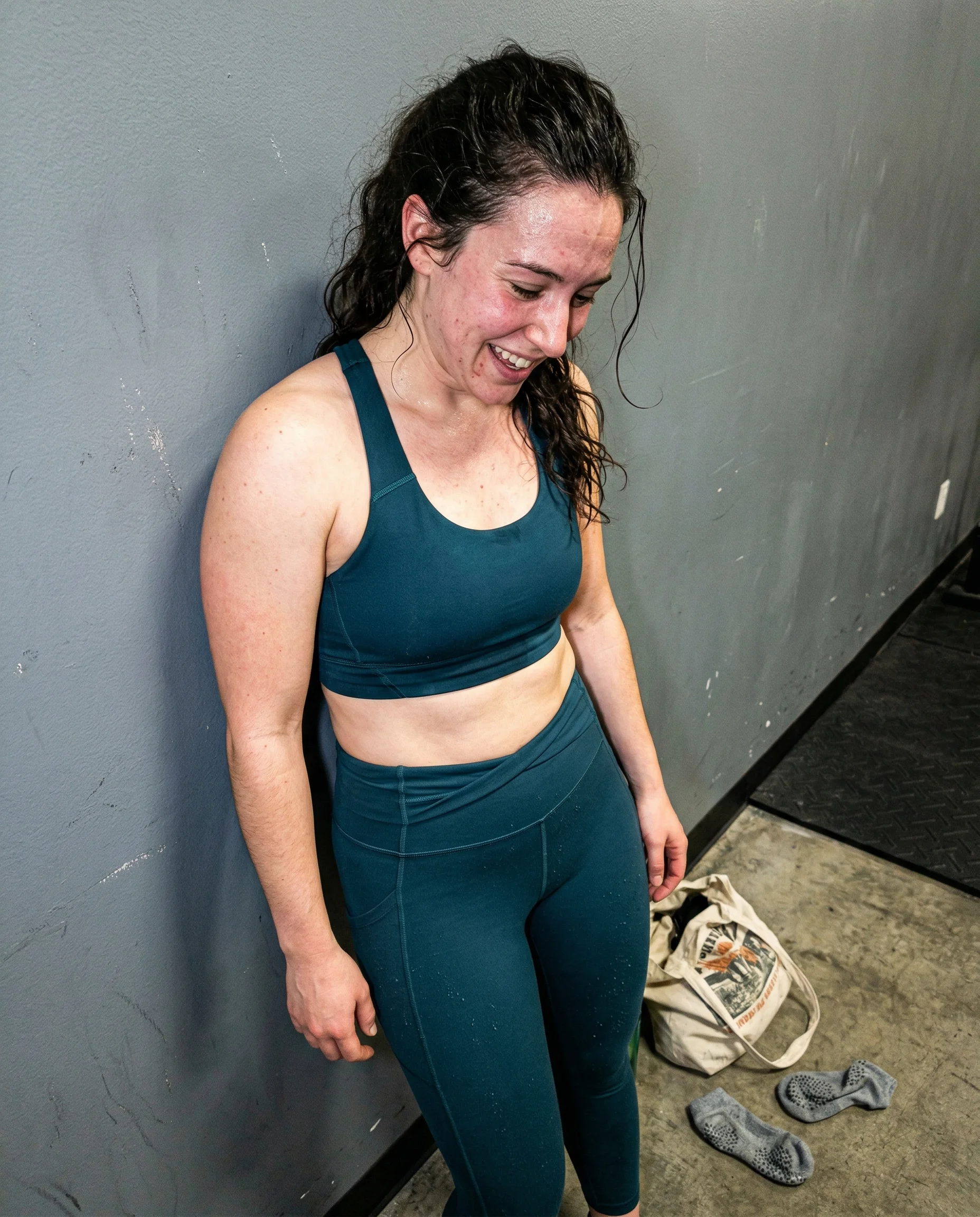
The flash here isn’t trying to be pretty. By pinning the light directly to the subject, we lose the soft-focus glow that usually makes fitness photos look like stock imagery. The harshness forces the camera to pick up the T-zone sheen and the uneven skin tone that happens when someone is actually working out. If you try to diffuse this or pull the light back, you lose the tension in her expression. The flash feels as intrusive as a phone camera in a dark studio—it catches the sweat and the pores because it has nowhere else to go.
frayed straps and scuffed padding
The reformer carriage padding is the most important part of the frame. It’s not brand new; it’s pilling and worn at the edges, which grounds the image in a real, high-traffic studio. When the flash hits those frayed straps and the scuff marks on the wooden floor, it creates a texture that feels lived-in. If the equipment looked showroom-clean, the whole scene would fall apart. Those small, ugly details are the only reason the viewer believes she’s actually in the middle of a difficult set rather than posing for a commercial.
compression and physical strain
Her outfit isn’t stiff or perfectly pressed. You can see the fabric tension at the hips and shoulders, which happens when the material is actually being pulled during a movement. That slight bunching makes the effort feel real. The self-conscious look on her face, combined with the loose hair escaping her ponytail, sells the exhaustion better than any posed expression could. It’s that exact second where she realizes the instructor is correcting her, and she has to hold the position while feeling slightly exposed. That specific, uncomfortable moment is where the image earns its keep.
Frequently asked questions
how do i stop the skin from looking like plastic?
Turn off any beauty filters or skin-smoothing settings. You want the flash to be direct and slightly unflattering, which naturally pulls out pores, peach fuzz, and natural skin texture. If the skin looks too perfect, back the light off or increase your ISO to introduce a little grain.
why does the reformer look so worn?
The wear on the padding and the fraying on the straps are intentional. A clean machine looks like a render, but worn gear suggests a busy, real-world studio. Pilling on the vinyl and scuffs on the floor break up the clean lines that usually ruin these shots.
how do i get that specific look of physical strain?
Focus on the fabric tension. If the compression set looks perfectly smooth, it looks like a catalog shot. You need to see the material pulling at the seams or bunching up around the joints to show that the body is actually under load. Pair that with a slightly caught-off-guard expression to sell the effort.
is the low angle necessary?
The low angle from near the floor makes the reformer feel larger and more dominant in the frame. It also helps capture the floorboards and the underside of the carriage, which adds to the gritty, observational feeling. It’s a small detail, but it prevents the shot from feeling like a standard eye-level promo photo.