Grain and ISO
Clean files are the quickest way to kill a shot. Realism lives in the noise, the grain, and the low-light strain that happens when a camera struggles to see.


Noise as a texture, not a mistake
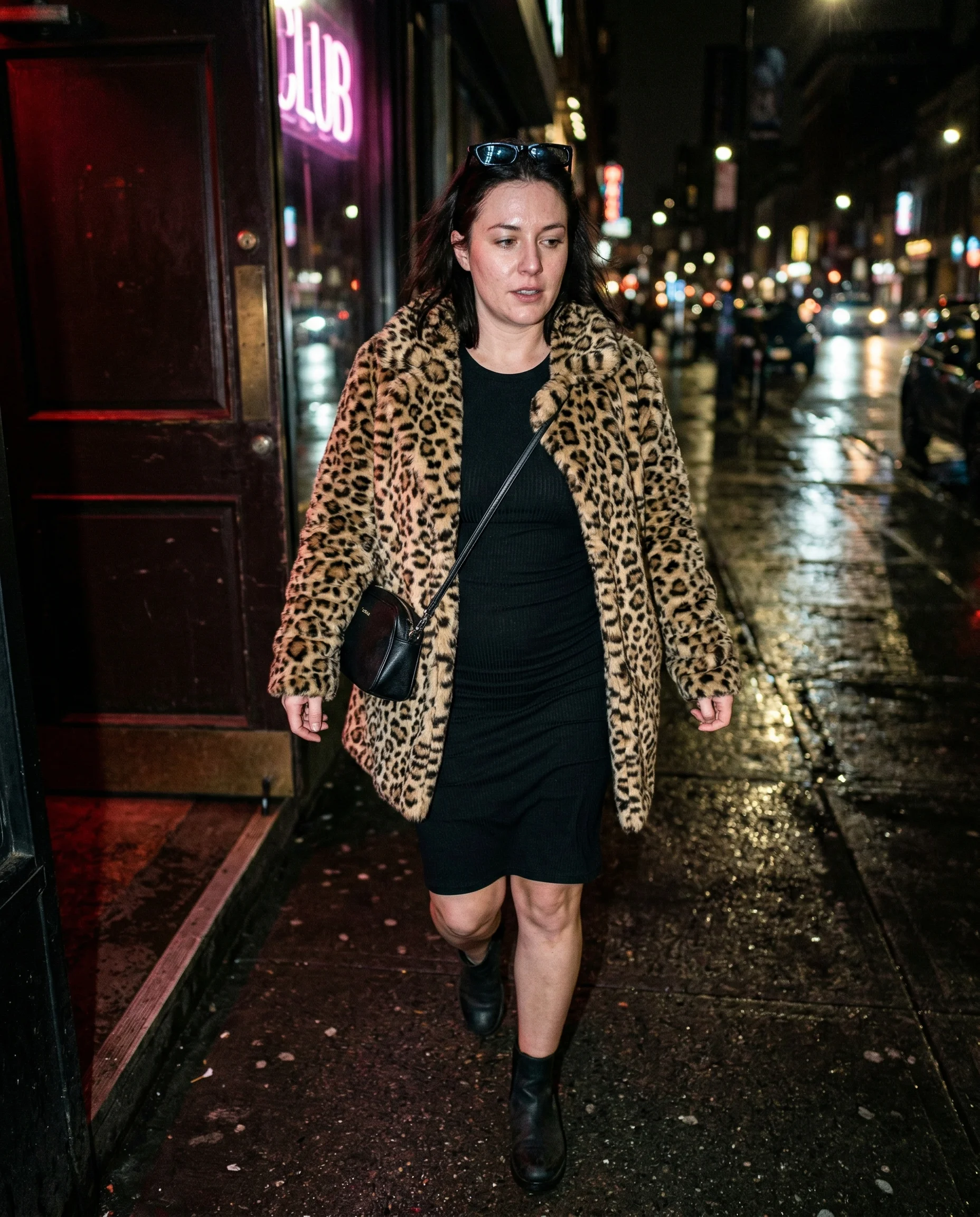
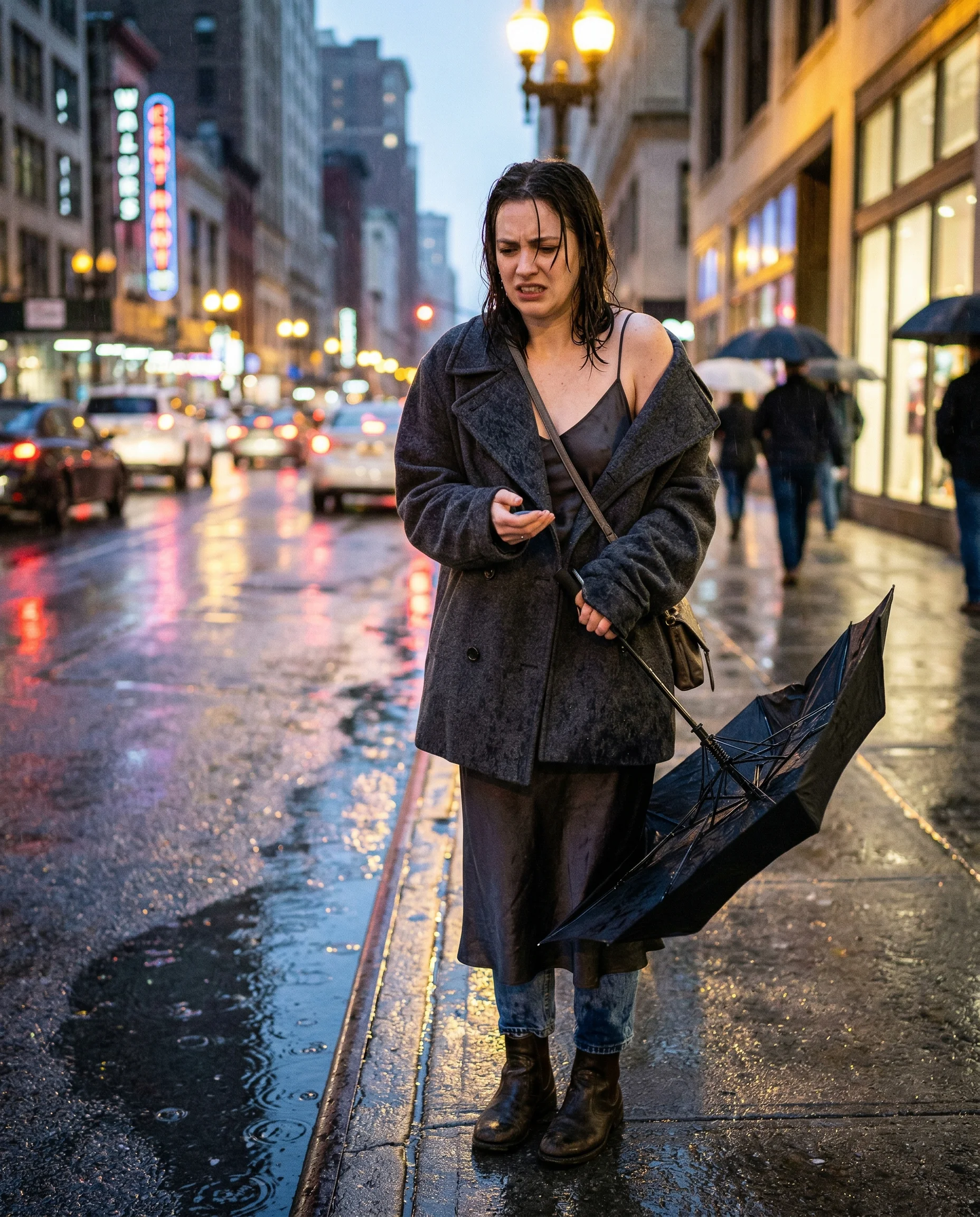
Realism in low light depends on the sensor failing to capture a perfect image. When you clean up ISO noise, you strip away the grit that makes a photo feel like it was taken in a real room. The grain should be visible in the shadows and the mid-tones, acting as a physical barrier between the viewer and the subject. If the image is too clean, it starts looking like a render. I need the noise to sit on top of the skin, catching the light in the same way the pores do. If the grain disappears, the depth of the room goes with it.
Harsh flash against the dark
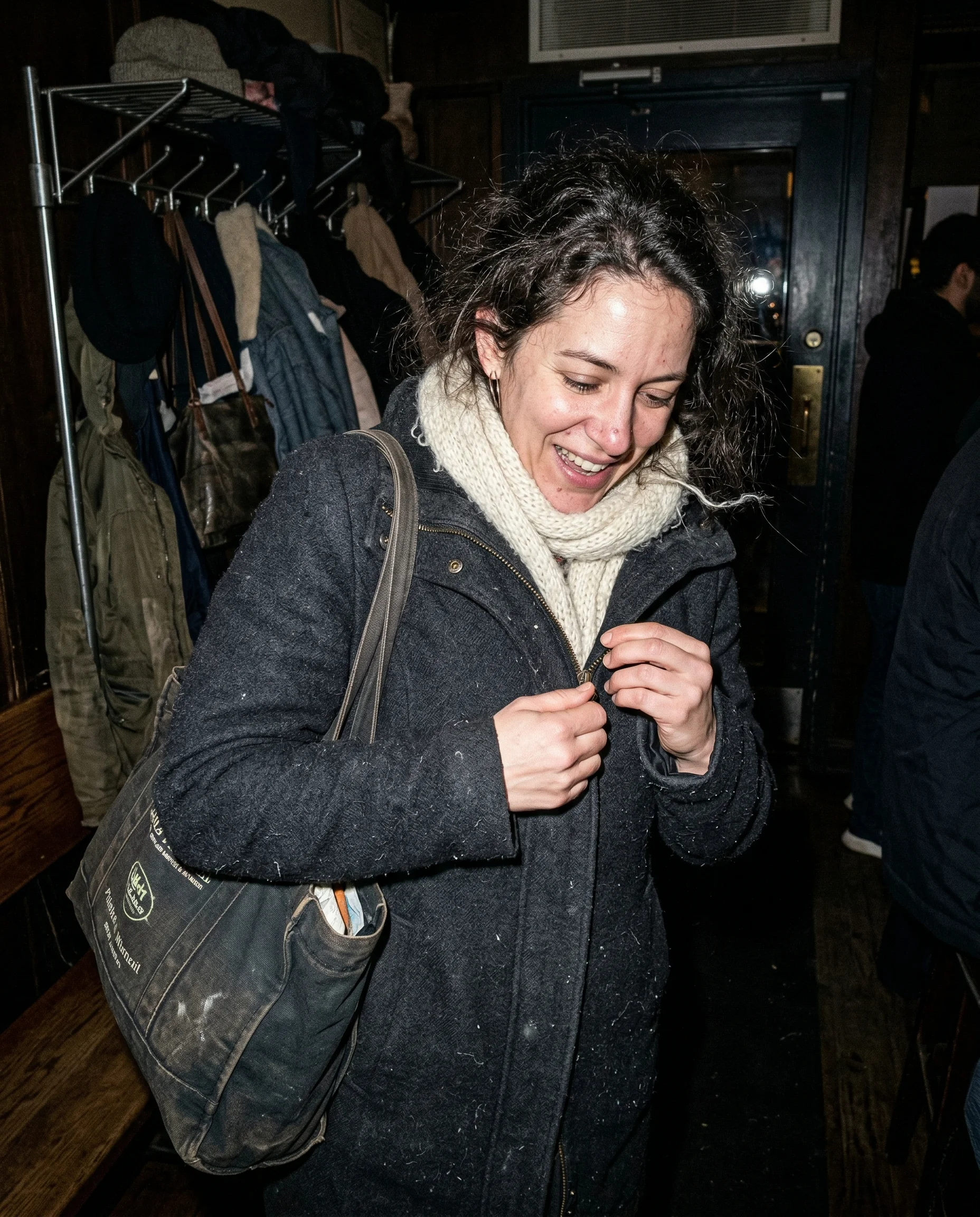
Direct, un-diffused flash is the only way to keep a night shot from looking staged. When the flash hits, it should be aggressive. It needs to catch the sheen on the forehead, the moisture on the lips, and the stray hairs that are usually hidden by soft lighting. If the flash is too polite, it flattens the subject against the background. You want the light to be a little rude, creating hard shadows behind the person and blowing out the highlights on the skin. The moment the light starts helping the subject look better, the lie shows up. Keep the flash ugly and let it reveal the tired skin and the messy hair.
Motion blur and the edge of the frame
Slow shutter speeds in a dark club or on a wet sidewalk create a smear of light that feels more honest than a frozen, sharp image. A little motion blur on the edges of the frame keeps the viewer from feeling like they are looking at a static, posed scene. When the background is a high-ISO mess of street lights and rain-slicked asphalt, the subject feels trapped in the moment. If you try to sharpen the edges or remove the blur, the photo loses its energy. Let the camera struggle to track the movement. The blur should feel like a natural consequence of a night out, not a post-production effect. If the badge is twisted, the shirt looks slightly off, and the flash is doing nobody any favors, the image finally feels like it belongs in the real world.
Grain and ISO questions people search for
Short answers about grain and iso without turning the page into a help-center article.
Why do my low-light photos look like plastic?
You are likely over-smoothing the image. When you remove all the noise and grain, the skin loses its texture and the light loses its bite. Let the sensor struggle a bit.
How much grain is too much?
If you can see the grain but it doesn't obscure the details of the face or the fabric, you are in the right spot. It should feel like a physical layer on top of the image, not a filter.
Should I use a flash in the dark?
Yes, but keep it harsh. A soft, diffused flash makes everything look like a catalog. You want the flash to be rude, catching the sweat on the skin and the dust in the air.
Where this rule shows up hardest


More realism guides