Believable Clutter
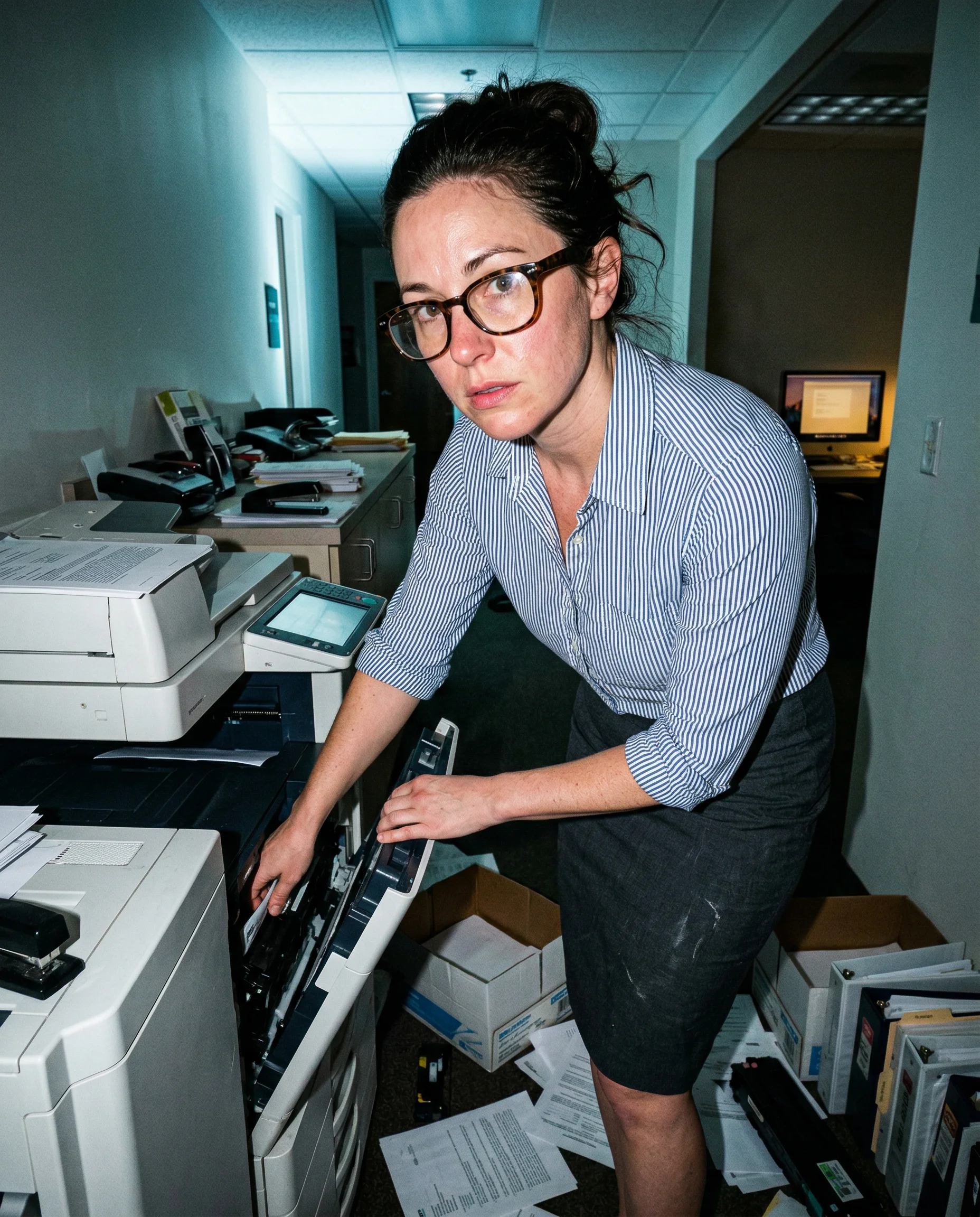
Mess is evidence, not decoration. The right clutter makes a room feel occupied, while the wrong kind turns your image into a generic, staged thrift-store display.

Evidence over decoration
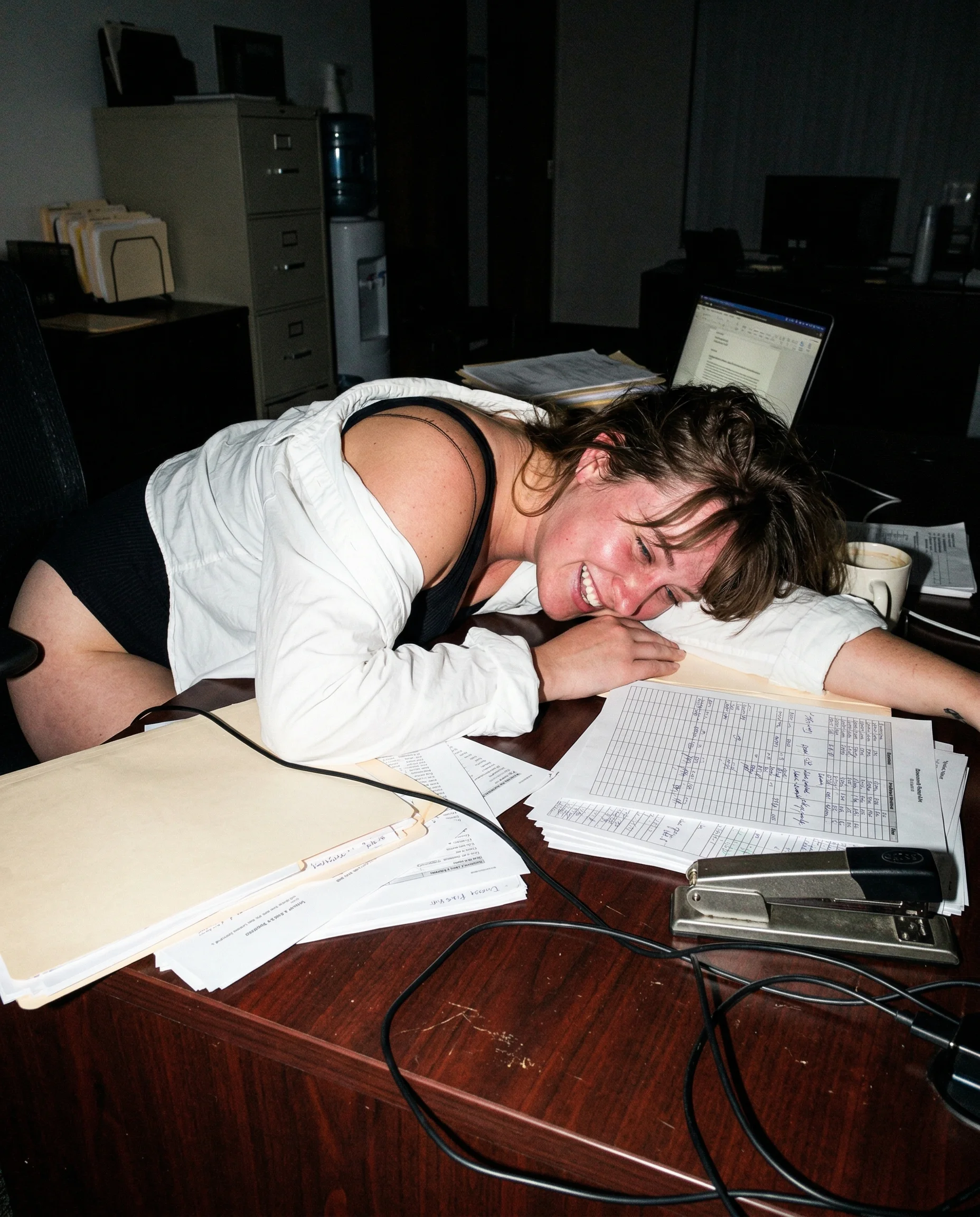
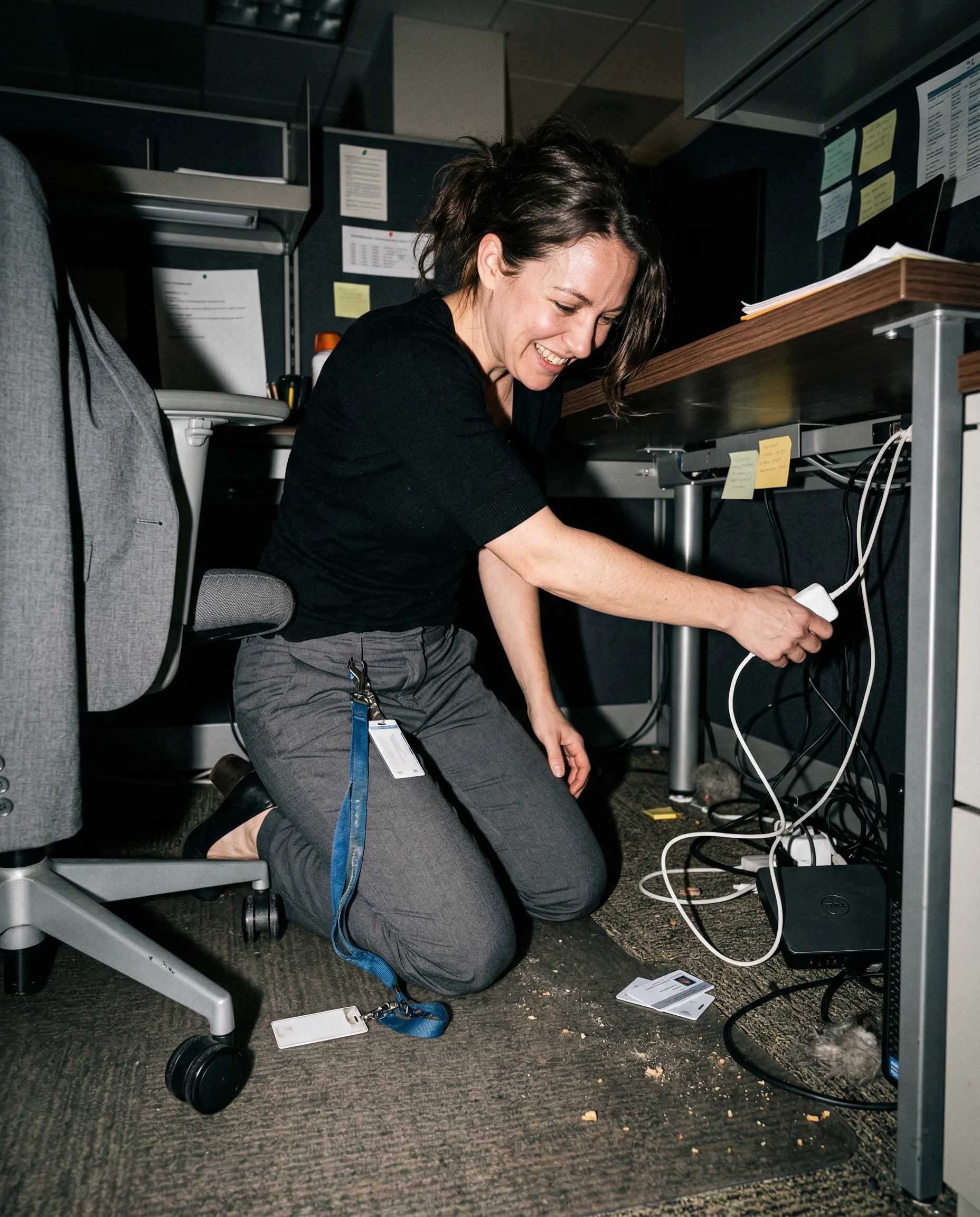
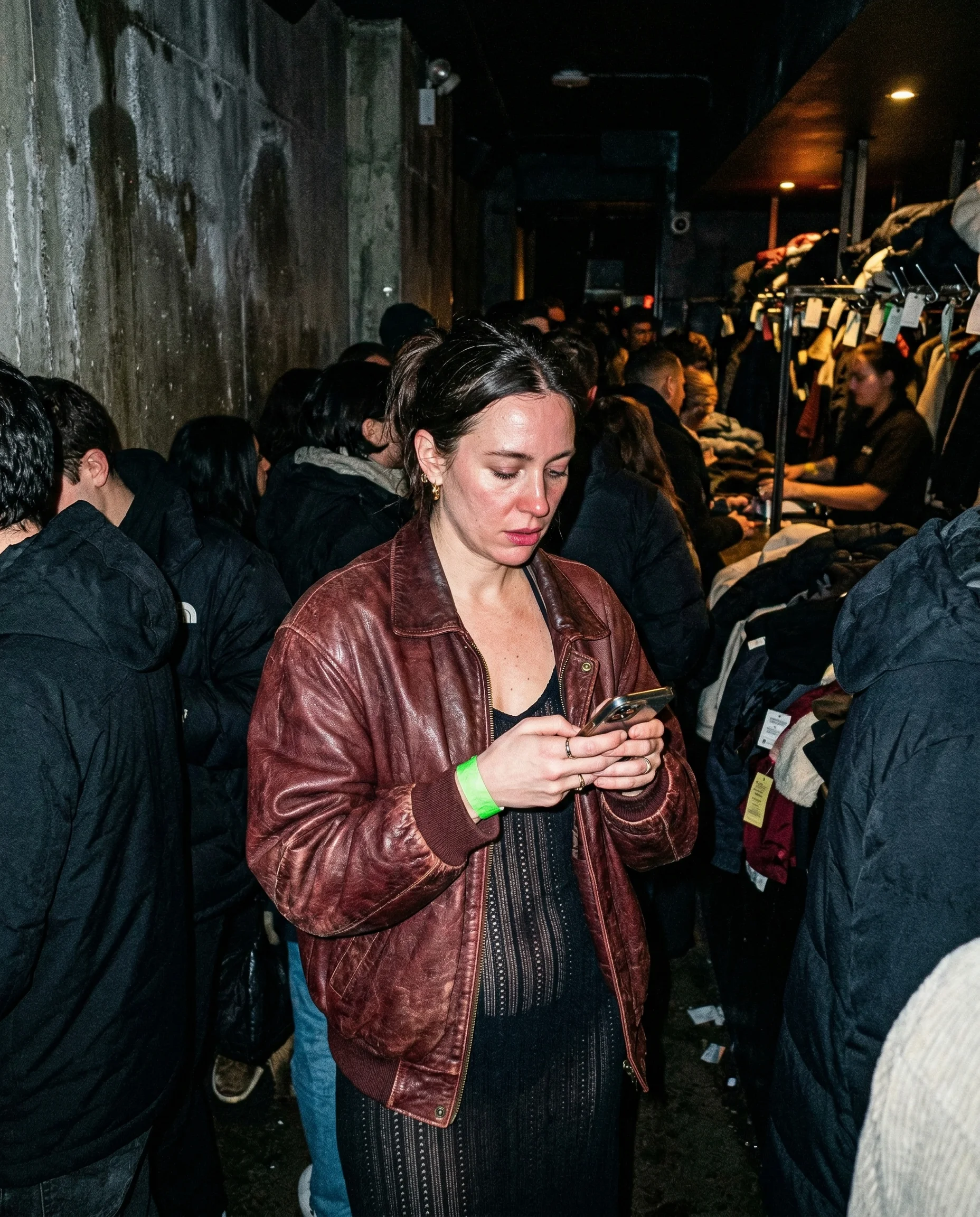
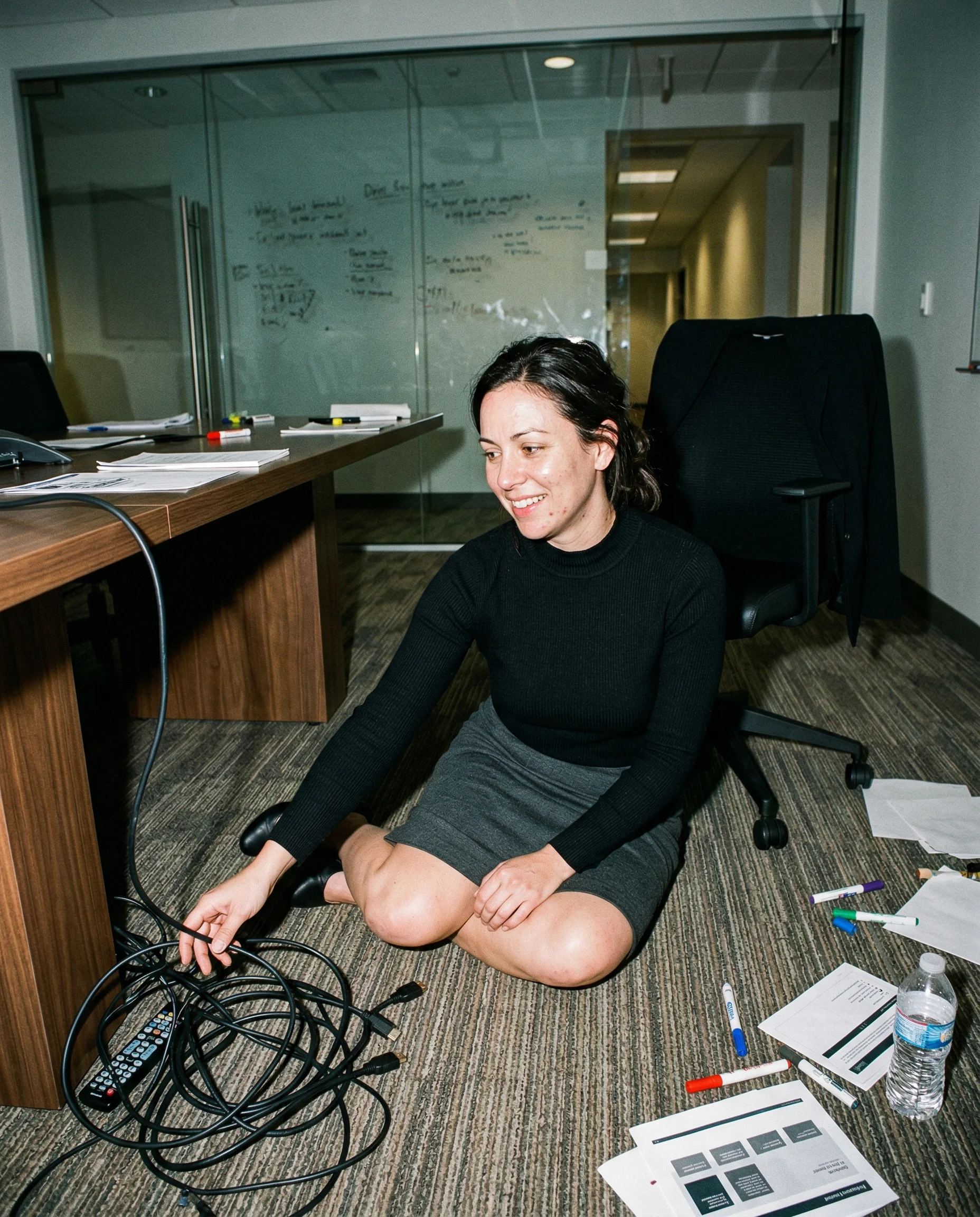
Clutter should tell a story about what just happened. A stack of papers is just a prop, but a spilled folder with a few sheets sliding off the edge suggests someone was in a hurry. If the objects in your frame look like they were placed there by a stylist, the image is already dead. Focus on the friction of the scene: a charger cable caught under a chair leg, a coat bunched up on a seat, or a half-eaten sandwich left on a corner. These small, accidental collisions prove someone was actually there, rather than just a model posing for a camera. If you find yourself arranging items to look pretty, stop and knock them over instead.
The weight of small debris
Small, ugly details carry more weight than big, obvious ones. A single dropped keycard, a sticky note peeling off a monitor, or a smudge on a glass surface does more work than a desk full of expensive-looking gear. When you add too many items, the eye stops knowing where to look and the scene turns into a catalog. Keep the debris specific to the environment. If it is an office, use printer dust, tangled cords, and a coffee ring that has dried into a dark circle. If it is a bar, use condensation, a sticky coaster, and a lipstick-stained glass. These details are the difference between a room that feels lived-in and a room that feels like a set.
When the scene gets too clean
The lie shows up the moment you start smoothing things out. If the cables are perfectly coiled or the folders are stacked in neat rows, the room feels like a showroom. I need the flash to catch the dust and the mess, not the polish. If the lighting is too flattering, it flattens the clutter and makes it look like plastic. Let the shadows hide the corners and let the mess be a little rude. If this gets too clean, it starts looking like f***ing stock photography. If the light is doing you a favor, you are probably losing the realism. Keep the flash harsh, keep the corners dark, and let the mess stay messy.
Believable Clutter questions people search for
Short answers about believable clutter without turning the page into a help-center article.
Why does my clutter look like a prop shop?
It looks fake because the objects are too clean or perfectly placed. Real mess is chaotic, layered, and often slightly broken or dusty.
How do I make office desk clutter look real?
Stop trying to arrange the items. Add tangled cables, half-open folders, and coffee rings. If everything is visible and tidy, the scene loses its weight.
Should I add more items to fill empty space?
No. Empty space is often more realistic than a crowded frame. Focus on one or two specific, lived-in details like a twisted lanyard or a discarded coat.
Where this rule shows up hardest


More realism guides